
Loading, please wait...
LOT 2253
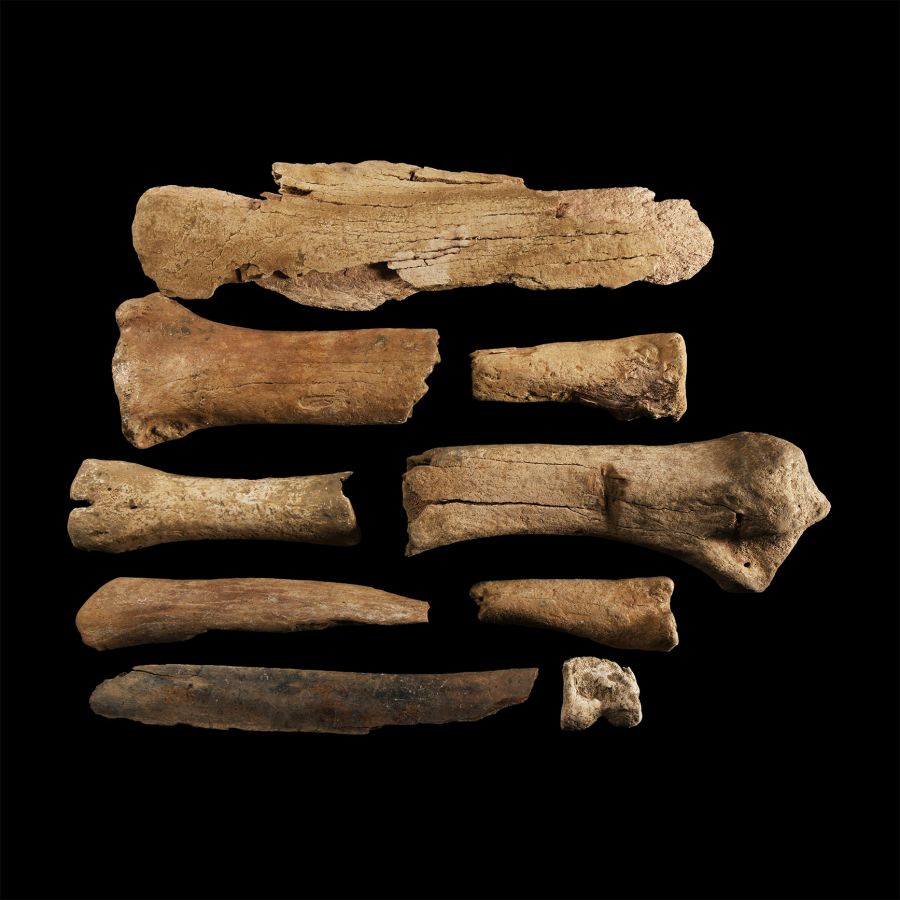
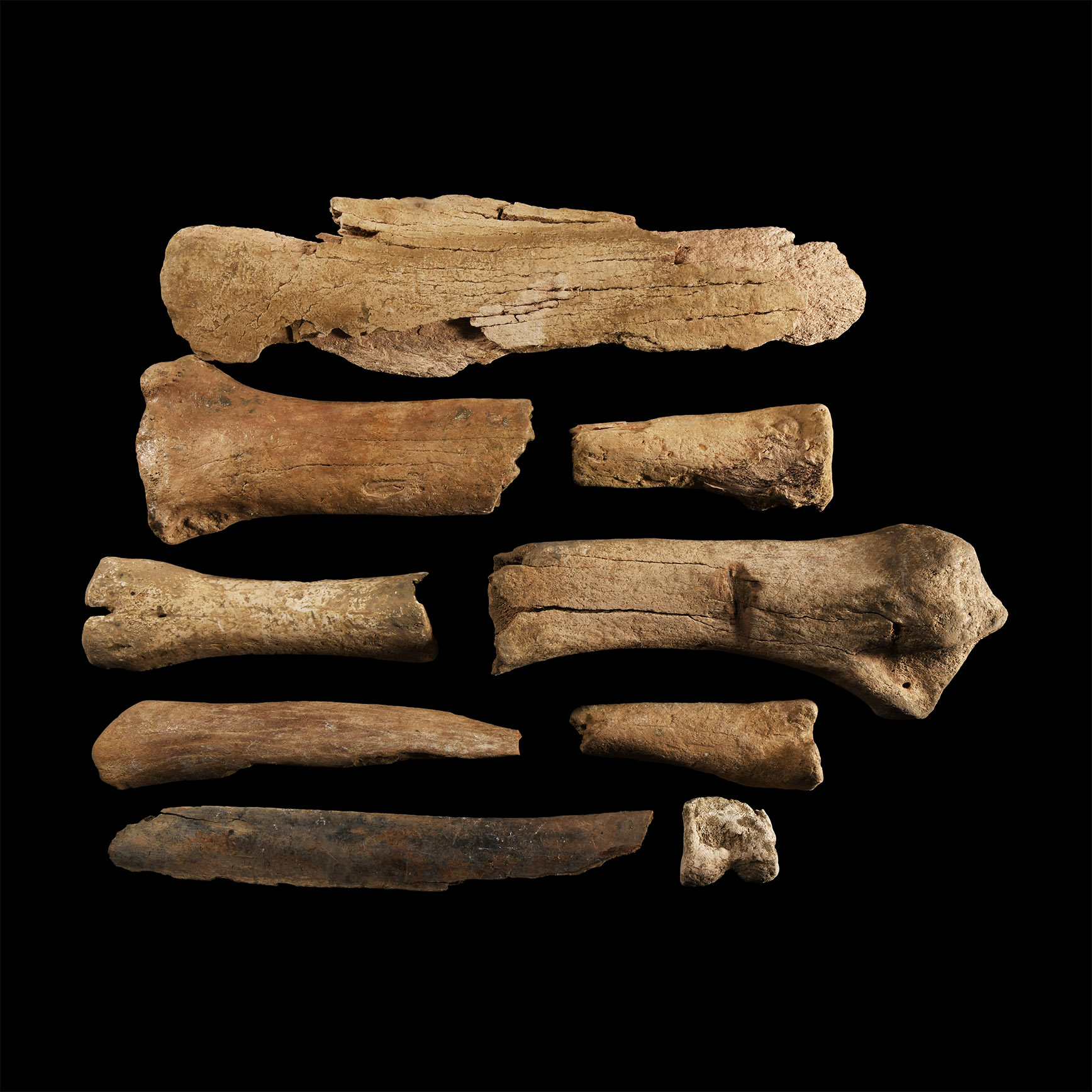
Natural History - British Bison Bone Group
PLEISTOCENE PERIOD, CIRCA 2.6 MILLION-11,700 YEARS B.P.
1 7/8 - 14 1/2 in. (2.45 kg total, 4.7-37 cm).
Comprising sections of ribs, leg and other bones from Bison priscus. [9, No Reserve]
ProvenanceFrom Oxfordshire, UK.
From a Norfolk, UK, collection.
TimeLine Auctions follows a vetting process to ensure the authenticity and legality of all items, reinforcing our commitment to integrity and responsible trading. Each antiquity, antique, and coin lot undergoes thorough examination by a vetting committee of at least ten external specialists, professional trade association members, scientists, and archaeologists: Our Vetting Process
AUCTIONS:
TimeLine is a leading auction house specialising in antiquities, ancient art, collectables, natural history, coins, medals, and books. Our auctions offer museums, collectors, historians, and enthusiasts the opportunity to acquire unique and historically significant pieces.
-
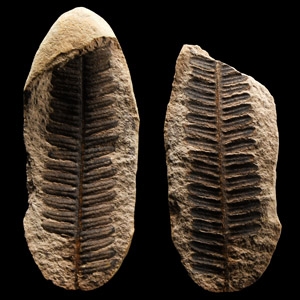
Natural History - North American Fossil Fern Nodule
Carboniferous Period, circa 360-286 million years B.P.Sold for (Inc. bp): £65
The oval-shaped nodule split in half to reveal the positive and negative impression of the fern fossil. 55 grams total, 67-76 mm
From Mazon Creek, U.S.A. From a Gloucestershire, UK, collection. -
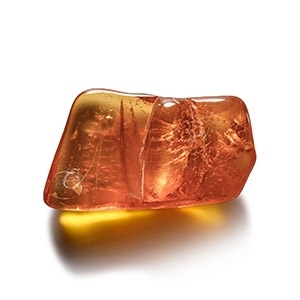
Natural History - Insect in Baltic Amber
Oligocene Age, 55-50 million years B.P.Sold for (Inc. bp): £39
The polished piece with a single insect inclusion; supplied with an illustrated information card. 1.32 grams, 24 mm
From a Lincolnshire, UK, collection. -
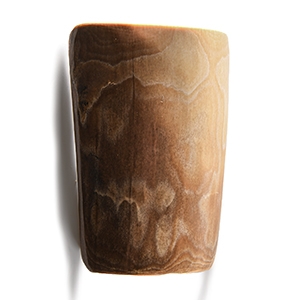
Natural History - Mammoth Tusk Section
Pleistocene Age, circa 40.000 years B.P.Sold for (Inc. bp): £65
Comprising a rectangular section of the outer layer of Mammoth primigenius tusk with attractive patterning. 34 grams, 10 cm
From the North Sea. From an old Bristol, UK, collection.
