
Loading, please wait...
LOT 1929
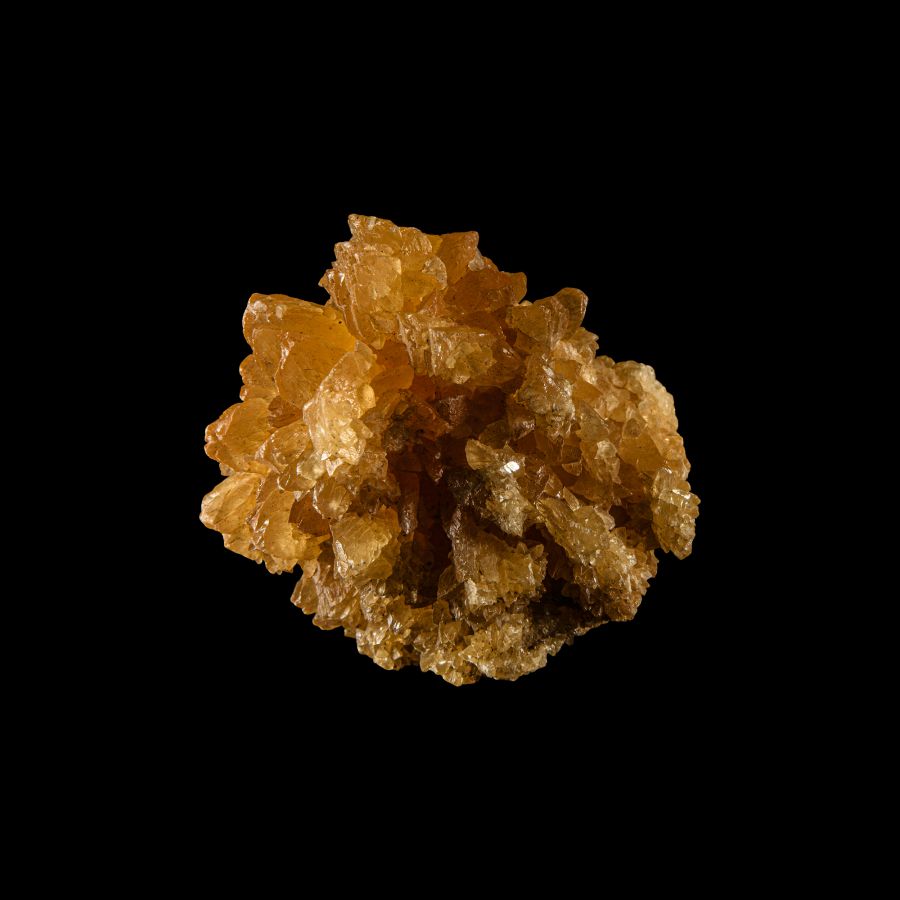
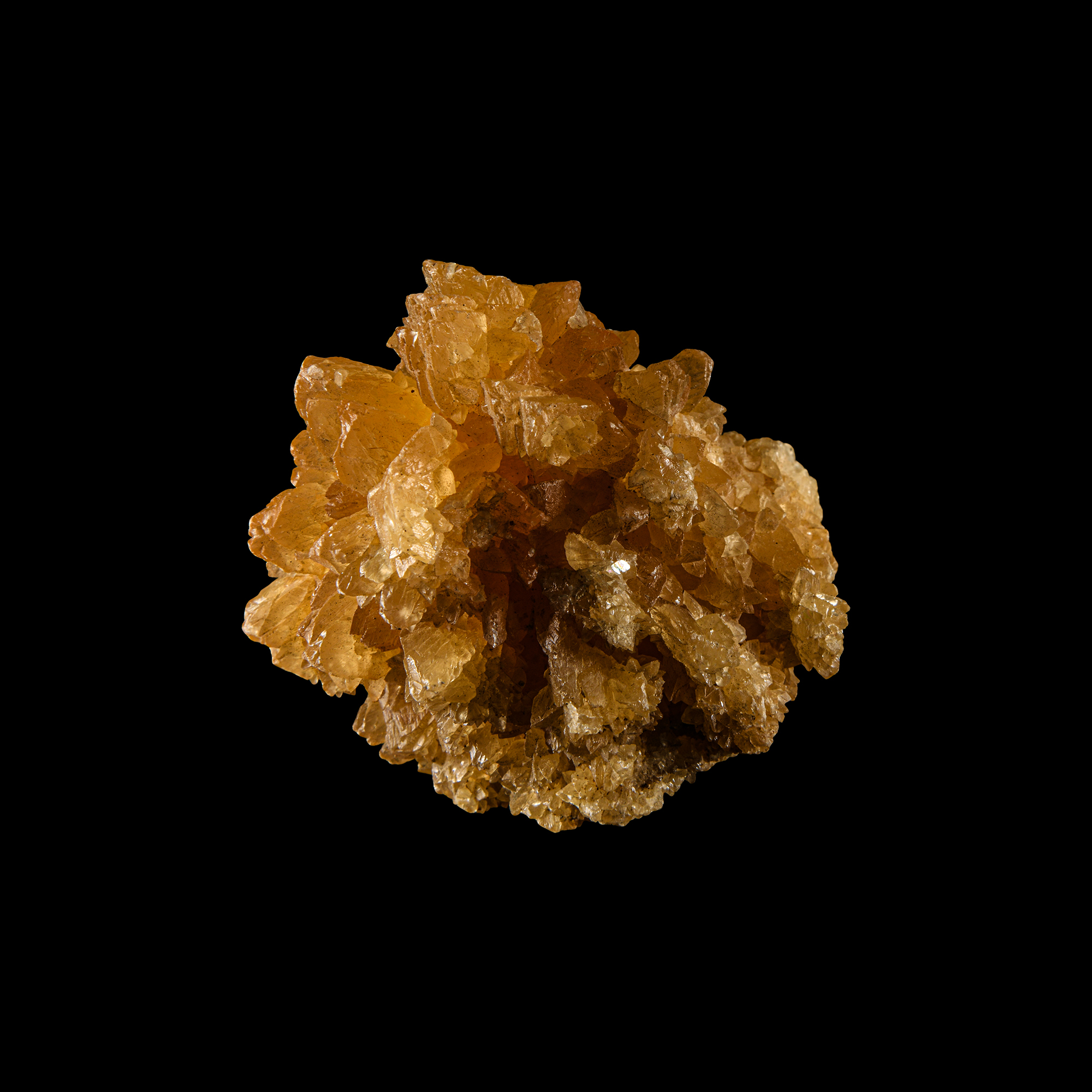
Natural History - Boxed Historic Yellow Calcite Crystal Flower
2 3/4 in. (223 grams, 70 mm).
Comprising rhombohedrons of yellow calcite on a pyramidal matrix. [No Reserve]
ProvenanceEx Gregory, Bottley & Lloyd (Gregory's).
CONDITIONTimeLine Auctions follows a vetting process to ensure the authenticity and legality of all items, reinforcing our commitment to integrity and responsible trading. Each antiquity, antique, and coin lot undergoes thorough examination by a vetting committee of at least ten external specialists, professional trade association members, scientists, and archaeologists: Our Vetting Process
AUCTIONS:
TimeLine is a leading auction house specialising in antiquities, ancient art, collectables, natural history, coins, medals, and books. Our auctions offer museums, collectors, historians, and enthusiasts the opportunity to acquire unique and historically significant pieces.
LOT 1929
Natural History - Boxed Historic Yellow Calcite Crystal Flower
Sold for (Inc. bp): £13
-
![Natural History - Very Large Amethyst Crystal Point Group [6]](https://timelineauctions.com/upload/images/items/small/207966-s.jpg)
Natural History - Very Large Amethyst Crystal Point Group [6]
Sold for (Inc. bp): £20
Comprising six large points, three with twinned crystal formation. 1.89 kg total, 64-85 mm
Ex Mineral Imports, London, UK. Gregory, Bottley & Lloyd (Gregory's). -
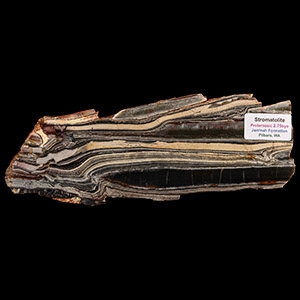
Natural History - 'Australian' Polished Stromatolite Chert Slice
Jeerinah Formation, circa 2.7 billion years B.P.Sold for (Inc. bp): £46
Proterozoic with typical veins in cream, russet, brown and grey, with an identification label to one end. 549 grams, 23 cm
Fropm Pilbara, Western Australia. Ex Australian natural history market. From a Leicestershire, UK, collection. -
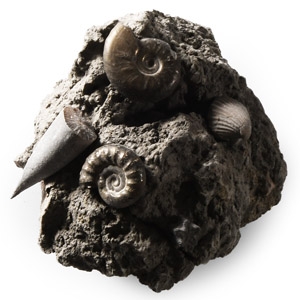
Natural History - Oxynotum Zone Fossil Cluster
Jurassic Period, circa 170 million years B.P.Sold for (Inc. bp): £33
The matrix set with a montage of ammonites, bivalves and a belemnite. 66 grams, 50 mm
From Tuffley, Gloucestershire, UK. From a Gloucestershire, UK, collection.
