
Loading, please wait...
LOT 2247
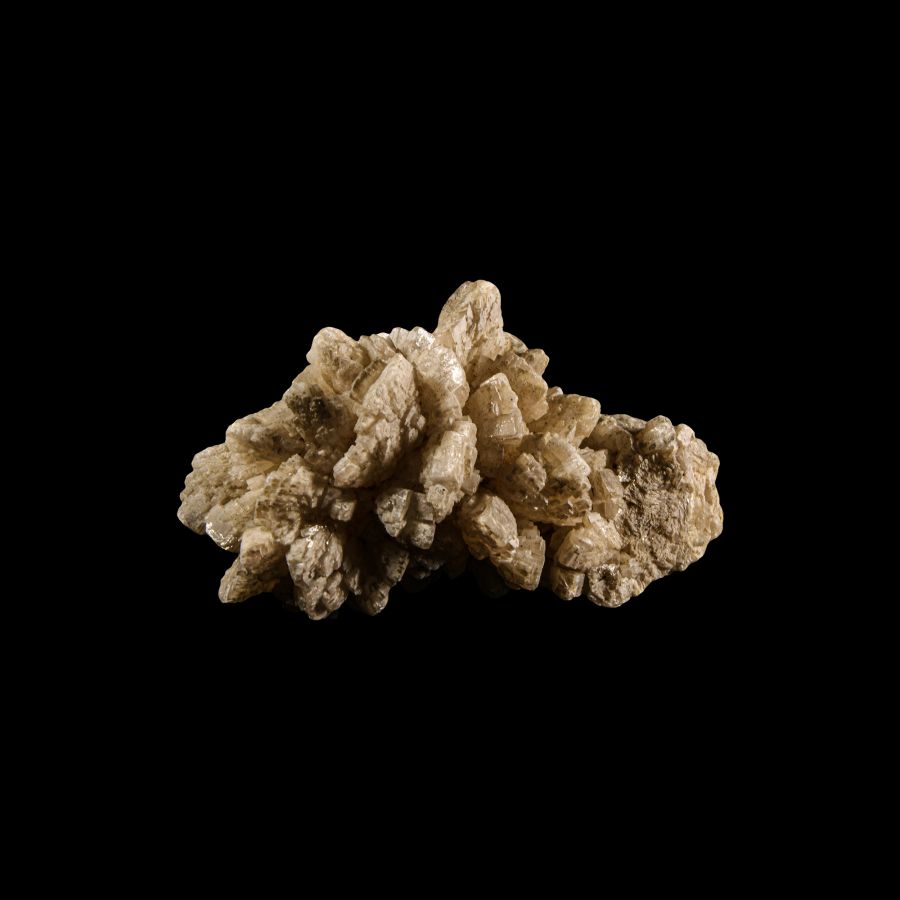
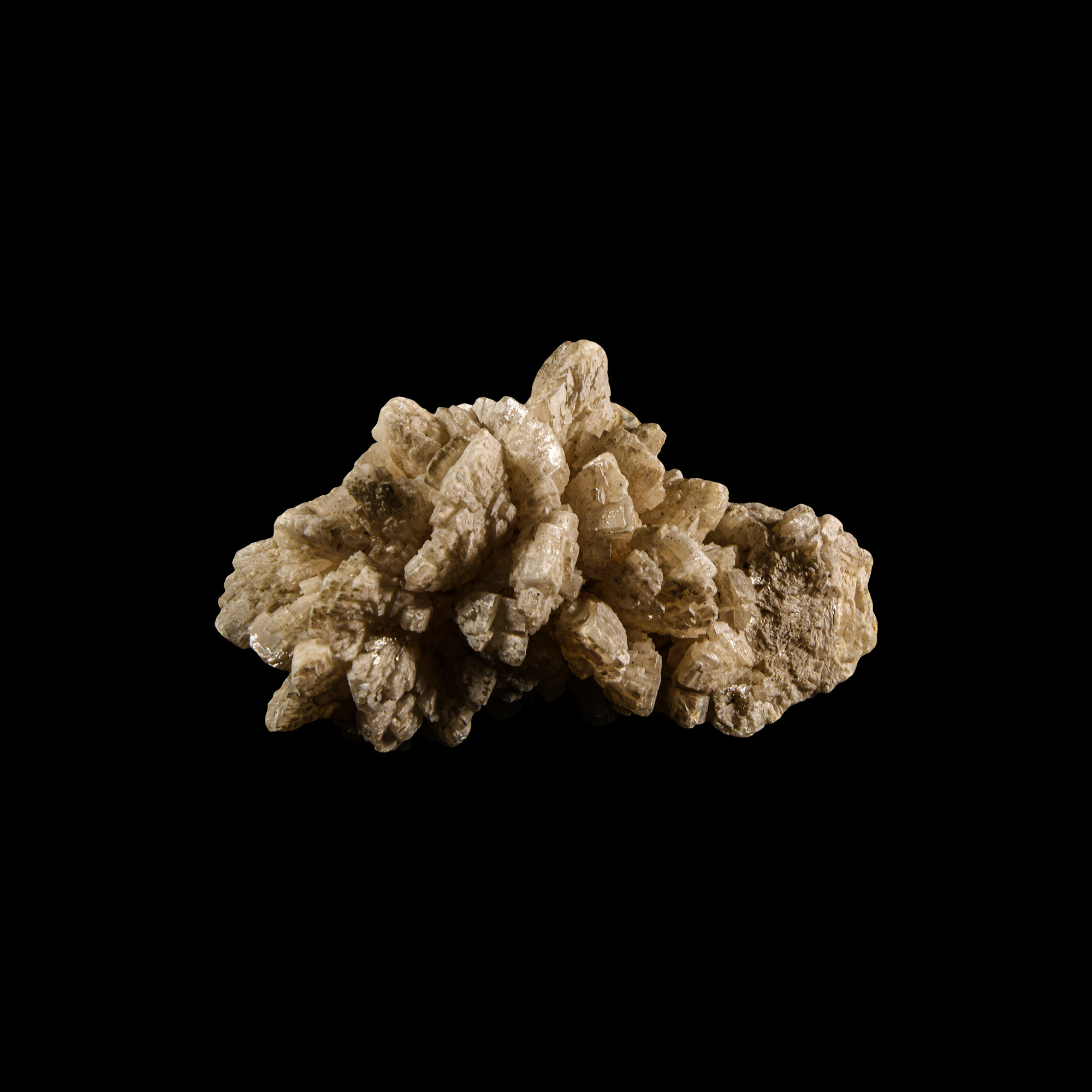
Natural History - Boxed Historic Quartz Crystal 'Flower' Specimen
3 1/4 in. (195 grams, 82 mm).
With white to grey crystals arranged in a flower-like formation. [No Reserve]
ProvenanceEx Gregory, Bottley & Lloyd (Gregory's).
CONDITIONTimeLine Auctions follows a vetting process to ensure the authenticity and legality of all items, reinforcing our commitment to integrity and responsible trading. Each antiquity, antique, and coin lot undergoes thorough examination by a vetting committee of at least ten external specialists, professional trade association members, scientists, and archaeologists: Our Vetting Process
AUCTIONS:
TimeLine is a leading auction house specialising in antiquities, ancient art, collectables, natural history, coins, medals, and books. Our auctions offer museums, collectors, historians, and enthusiasts the opportunity to acquire unique and historically significant pieces.
LOT 2247
Natural History - Boxed Historic Quartz Crystal 'Flower' Specimen
Sold for (Inc. bp): £4
-
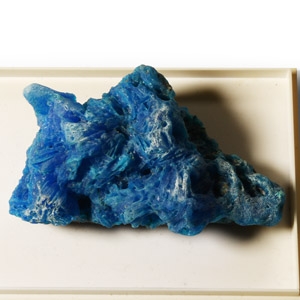
Natural History - Historic Copper Sulphate Crystal Specimen
Sold for (Inc. bp): £26
On an irregular matrix covered with brilliant blue deposits. 46 grams total, 63 mm
From Nchanga, Zimbabwe. Collected in person in 1964. From the private mineral collection of Stephen Atkinson, Harpenden, UK. Accompanied by a copy of a letter from the vendor giving details of him collecting these minerals throughout his life. -
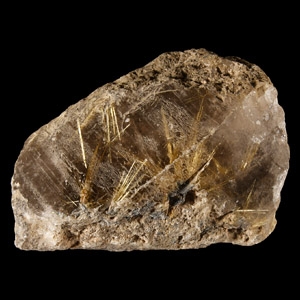
Natural History - Large Part Polished Historic Fenster Quartz Elestial
Sold for (Inc. bp): £26
With two polished faces showing the acicular inclusions of rutile. 1.5 kg, 16 cm
Ex Gregory, Bottley & Lloyd (Gregory's). -
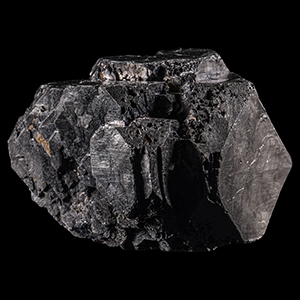
Natural History - Boxed Galena Mineral Specimen
Sold for (Inc. bp): £13
Showing a partial large octahedral crystal; in a labelled specimen box. 80 grams, 37 mm
From Tri-State, U.S.A. Ex Mineral Imports, London, UK. Gregory, Bottley & Lloyd (Gregory's).
