
Loading, please wait...
LOT 1786
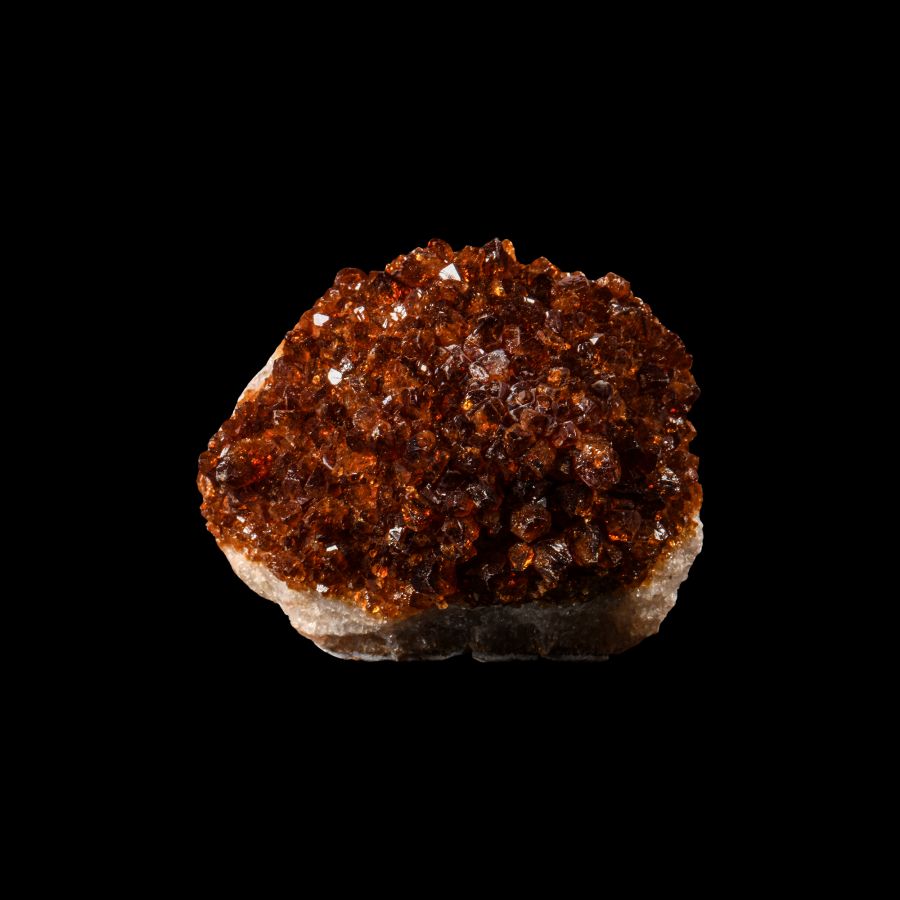
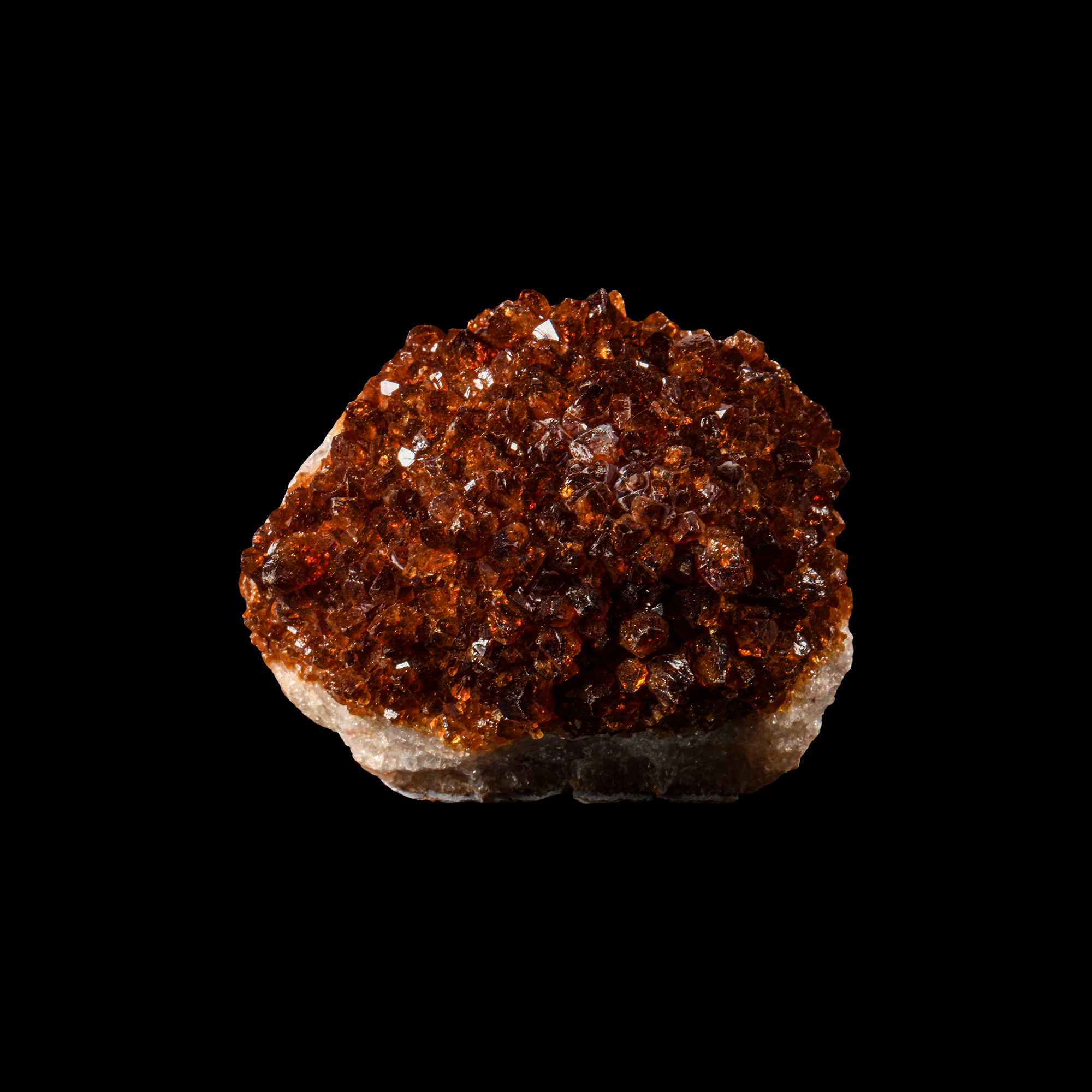
Natural History - Boxed Citrine 'Porcupine' Crystal Specimen
1 3/4 in. (63 grams, 43 mm).
On a matrix with a thick cluster of dark orange citrine crystals; supplied in a labelled cardboard tray. [No Reserve]
ProvenanceFrom Rio Grande do Sul, Brazil.
Ex Mineral Imports, London, UK.
Gregory, Bottley & Lloyd (Gregory's).
TimeLine Auctions follows a vetting process to ensure the authenticity and legality of all items, reinforcing our commitment to integrity and responsible trading. Each antiquity, antique, and coin lot undergoes thorough examination by a vetting committee of at least ten external specialists, professional trade association members, scientists, and archaeologists: Our Vetting Process
AUCTIONS:
TimeLine is a leading auction house specialising in antiquities, ancient art, collectables, natural history, coins, medals, and books. Our auctions offer museums, collectors, historians, and enthusiasts the opportunity to acquire unique and historically significant pieces.
LOT 1786
Natural History - Boxed Citrine 'Porcupine' Crystal Specimen
Sold for (Inc. bp): £16
-
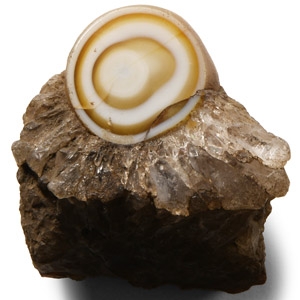
Natural History - Historic Onyx Mineral Specimen with Polished 'Eye'
Sold for (Inc. bp): £13
Cut and polished to reveal the parallel white and brown banding. 39 mm, 47 mm
Collected in person in 2014. From the private mineral collection of Stephen Atkinson, Harpenden, UK. Accompanied by a copy of a letter from the vendor giving details of him collecting these minerals throughout his life. -
![Natural History - Quartz Crystal Point Group [50]](https://timelineauctions.com/upload/images/items/small/207929-s.jpg)
Natural History - Quartz Crystal Point Group [50]
Sold for (Inc. bp): £46
Comprising long, translucent crystal points. 965 grams total, 53-76 mm
From Brazil. Ex Mineral Imports, London, UK. Gregory, Bottley & Lloyd (Gregory's). -
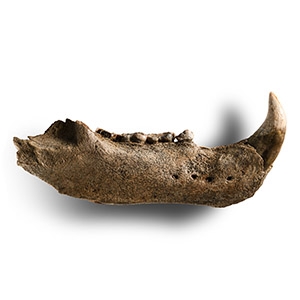
Natural History - Cave Bear Lower Jaw
Pleistocene Age, circa 40,000-20,000 years B.P.Sold for (Inc. bp): £169
From the right side of Ursus spelaeus lower jaw, displaying a canine and four other teeth. 424 grams, 24.5 cm
From the private collection of a London gentleman.
The cave bear was a prehistoric species of bear that lived in Europe and Asia, and became extinct about 24,000 years ago during the Last Glacial Maximum.
