
Loading, please wait...
_900x900.jpg "Natural History - Bivalve Shell Preserved in Opal")
_200x200.jpg "Natural History - Bivalve Shell Preserved in Opal")
.jpg "Natural History - Bivalve Shell Preserved in Opal")
LOT 1712
Natural History - Bivalve Shell Preserved in Opal
CRETACEOUS PERIOD, 110 MILLION YEARS B.P.
1 5/8 x 1 3/8 in. (15.2 grams total, 41 x 34 mm including case).
A stunning fossil bivalve shell, preserved in black opal, showing iridescent colours, including blue, greens and reds. [No Reserve]
ProvenanceFrom Lightning Ridge, Australia.
Private Shropshire, UK collection.
Opal is a spectacular gemstone, and a dazzling key to Australia’s mysterious past, because buried in the Australian opal fields are fossils of dinosaurs and other strange creatures that lived 110 million years ago, in Early Cretaceous times. These fossils are literally gems: teeth, bones, shells and pinecones which have turned to solid opal. Australia is the only country where opalised animal fossils are found. Opalised fossils are rare and precious; even more so because in Australia, it is rare to find fossils of any kind from the time of the dinosaurs.
CONDITIONTimeLine Auctions follows a vetting process to ensure the authenticity and legality of all items, reinforcing our commitment to integrity and responsible trading. Each antiquity, antique, and coin lot undergoes thorough examination by a vetting committee of at least ten external specialists, professional trade association members, scientists, and archaeologists: Our Vetting Process
AUCTIONS:
TimeLine is a leading auction house specialising in antiquities, ancient art, collectables, natural history, coins, medals, and books. Our auctions offer museums, collectors, historians, and enthusiasts the opportunity to acquire unique and historically significant pieces.
-
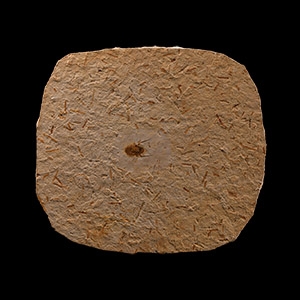
Natural History - Fossil Beetle
Cretaceous Period, 108-92 million years B.P.Sold for (Inc. bp): £7
A fossil beetle in matrix. 162 grams, 10.6 cm
From Santana Formation, Brazil. Acquired 1950s-1960s. From an old Bristol, UK, paleontological collection. -
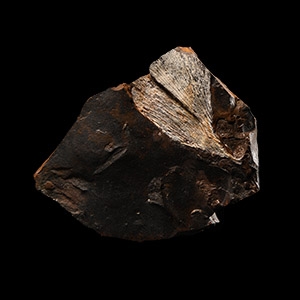
Natural History - Fossil Ginkgo Leaf in Matrix
Paleocene Period, circa 66-56 million years B.P.Sold for (Inc. bp): £7
A fossil Ginkgo sp. leaf in an amorphous matrix; held in a white card collector's tray. 91 grams, 77 mm
From the Sentinel Butte Formation, North Dakota. Ex Cambridgeshire, UK, collection. -
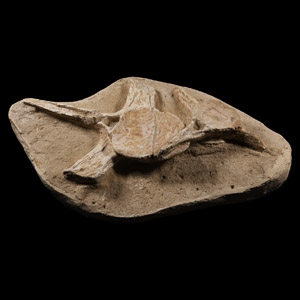
Natural History - Fossil Plesiosaur Vertebrae
Jurassic-Cretaceous Period, 199-65 million years B.P.Sold for (Inc. bp): £72
A pair of Plesiosaur sp. fossil marine dinosaur vertebrae in a matrix; contained within a plaster field jacket. 4.8 kg, 36 cm
Ex Cambridgeshire, UK, collection.
Plesiosaurs were among the first fossil animals to reach the general public's consciousness through the publication of two imaginatively illustrated books by Thomas Hawkins, a noted collector of fossils: Memoirs of Ichthyosauri and Plesiosauri (1834) and The Book of the Great Sea-Dragons (1840). Using the historical models of his times, Hawkins regarded plesiosaurs as monstrous creations of Satan.
