
Loading, please wait...
_900x900.jpg "Natural History - Amber with Insect Inclusions")
_200x200.jpg "Natural History - Amber with Insect Inclusions")
.jpg "Natural History - Amber with Insect Inclusions")
LOT 1865
Natural History - Amber with Insect Inclusions
OLIGOCENE PERIOD, CIRCA 45 MILLION YEARS B.P.
1 1/4 in. (3.5 grams, 31 mm).
Polished to a roughly rectangular shape with insect and other inclusions. [No Reserve]
ProvenanceFrom a North American collection.
Property of an East Sussex, UK, gentleman.
TimeLine Auctions follows a vetting process to ensure the authenticity and legality of all items, reinforcing our commitment to integrity and responsible trading. Each antiquity, antique, and coin lot undergoes thorough examination by a vetting committee of at least ten external specialists, professional trade association members, scientists, and archaeologists: Our Vetting Process
AUCTIONS:
TimeLine is a leading auction house specialising in antiquities, ancient art, collectables, natural history, coins, medals, and books. Our auctions offer museums, collectors, historians, and enthusiasts the opportunity to acquire unique and historically significant pieces.
-
![Natural History - Mixed Cut and Polished Agate Slice Collection [10]](https://timelineauctions.com/upload/images/items/small/208004-s.jpg)
Natural History - Mixed Cut and Polished Agate Slice Collection [10]
Sold for (Inc. bp): £26
Each with attractive banding, some with the internal cavity filled with crystals; some with enhanced colour. 1.06 kg total, 9.8-12 cm
From Brazil. Ex Mineral Imports, London, UK. Gregory, Bottley & Lloyd (Gregory's). -
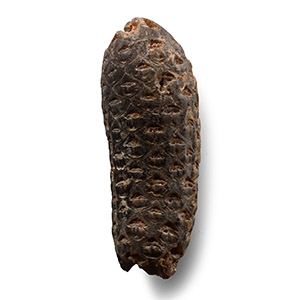
Natural History - Fossil Pine Cone
Eocene Period, circa 55-33 million years B.P.Sold for (Inc. bp): £33
Agatized Dicotaledon fruit specimen; supplied in a carboard specimen tray. 21.4 grams, 50 mm
From the Western Sahara Desert, Morocco. Acquired 1950s-1960s. From an old Bristol, UK, palaeontological collection. -
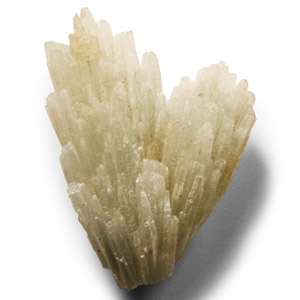
Natural History - Historic Italian Scolecite Crystal Formation
Sold for (Inc. bp): £20
Comprising a radiating cluster of thin white and light-green crystals. 13.7 grams, 38 mm
From Italy. Collected in person from various parts of the world mainly between 1957-1966. From the private mineral collection of Stephen Atkinson, Harpenden, UK. Accompanied by a copy of a letter from the vendor giving details of him collecting these minerals throughout his life.
