
Loading, please wait...
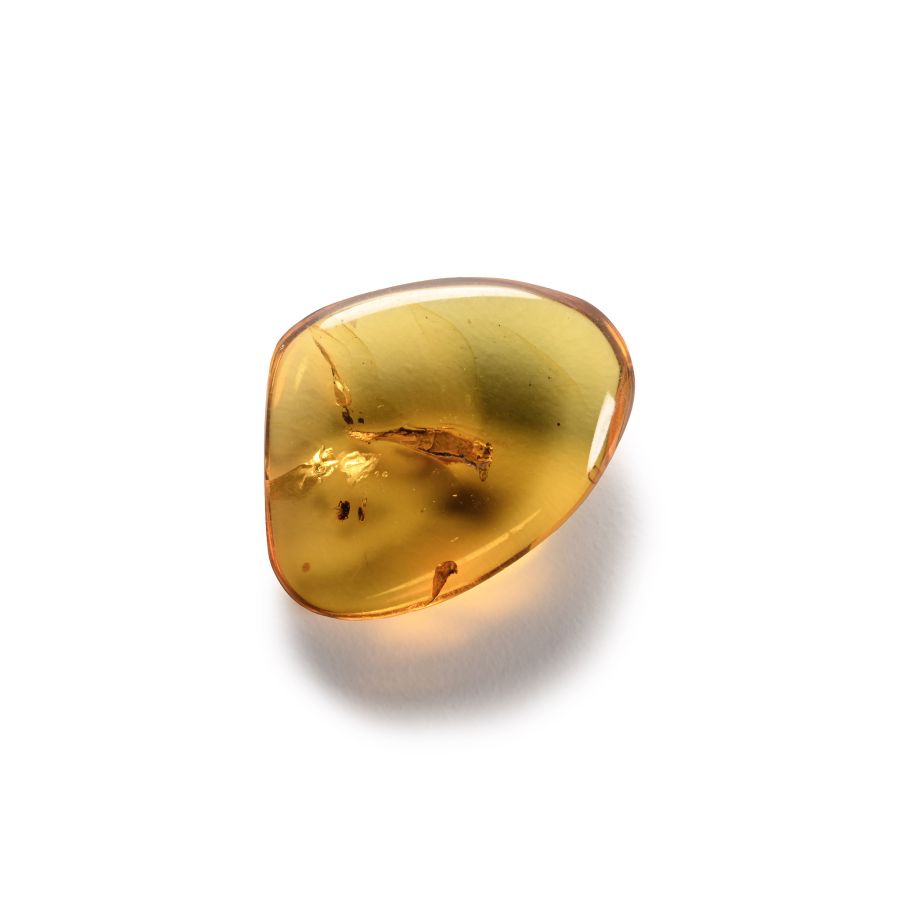
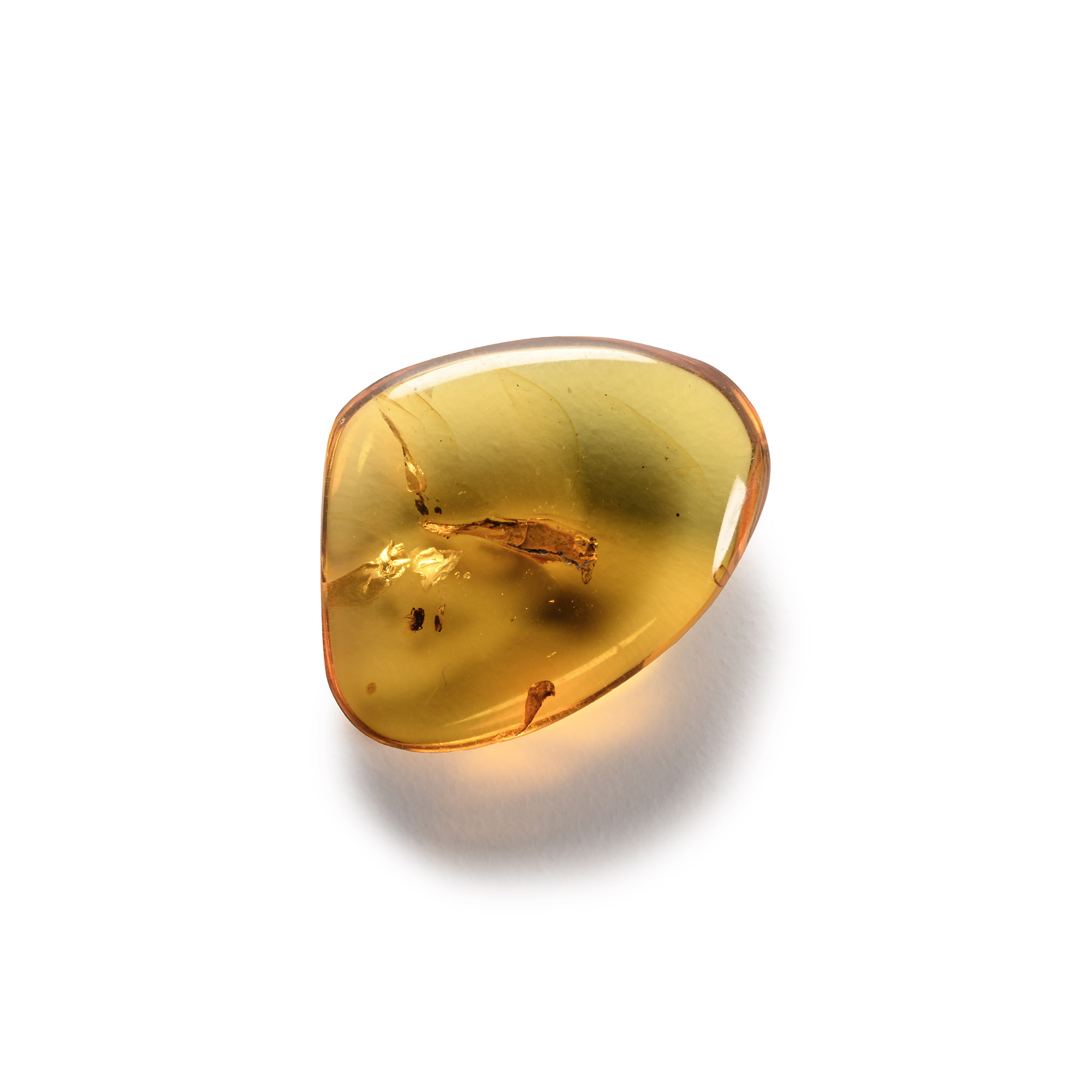
LOT 2267
Natural History - Amber with Insect Inclusions
OLIGOCENE PERIOD, CIRCA 45 MILLION YEARS B.P.
1 in. (1.34 grams, 24 mm).
A specimen of polished amber with insect inclusion. [No Reserve]
ProvenanceEx private UK collection formed in the 1980s.
Property of an East Sussex, UK, teacher.
TimeLine Auctions follows a vetting process to ensure the authenticity and legality of all items, reinforcing our commitment to integrity and responsible trading. Each antiquity, antique, and coin lot undergoes thorough examination by a vetting committee of at least ten external specialists, professional trade association members, scientists, and archaeologists: Our Vetting Process
AUCTIONS:
TimeLine is a leading auction house specialising in antiquities, ancient art, collectables, natural history, coins, medals, and books. Our auctions offer museums, collectors, historians, and enthusiasts the opportunity to acquire unique and historically significant pieces.
-
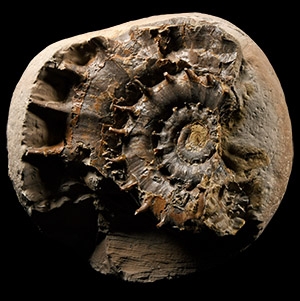
Natural History - Rare British Fossil Eteoderoceras Ammonite Display with Amazing Spines
Jurassic Period, circa 200 million years B.P.Sold for (Inc. bp): £390
A partial Eteoderoceras sp. fossil ammonite specimen in a matrix. 1.1 kg, 12 cm
From North Yorkshire, UK. -

Natural History - Oxynotum Zone Fossil Accumulation Group
Jurassic Period, Sinemurian, circa 199.5 million years B.P.Sold for (Inc. bp): £104
Comprising two matrices set with a montage of ammonites, bivalves and crinoid stems, a belemnite to one; supplied in a white cardboard box. 140 grams total, 61-68 mm
From Tuffley, Gloucester, UK. Ex Bristol, UK, collection. Accompanied by a laminated identification card. -
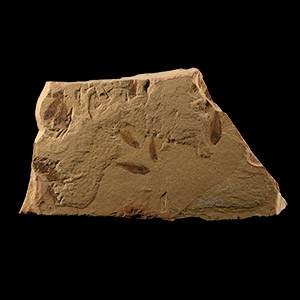
Natural History - Fossil Guppy Fish Mortality Plate
Jurassic Period, circa 150 million years B.P.Sold for (Inc. bp): £78
The irregular matrix with a number of Poecilia reticulate sp. fish. 620 grams, 20.5 cm
Ex Lincolnshire, UK, collection.
In southwest Wyoming (and parts of Colorado and Utah) in the Green River Formation are found some of the world's most outstanding specimens of fossil fish. The Green River system was composed of three lakes: Lake Ulinta, Lake Gosiute and Fossil Lake. These Eocene lakes lay in a series of intermountain basins formed by geological events that uplifted the Rocky Mountains during the early Tertiary time. The climate was much different from the desert-like climate of this area today. Both the fauna (crocodiles, alligators, boa constrictors and some subtropical fish families) and the flora (such as large palm trees) indicate a climate much like that found along the Gulf Coast today. Large amounts of ash found in the sediments indicate that volcanoes were particularly active at this time.
