
Loading, please wait...
LOT 1928
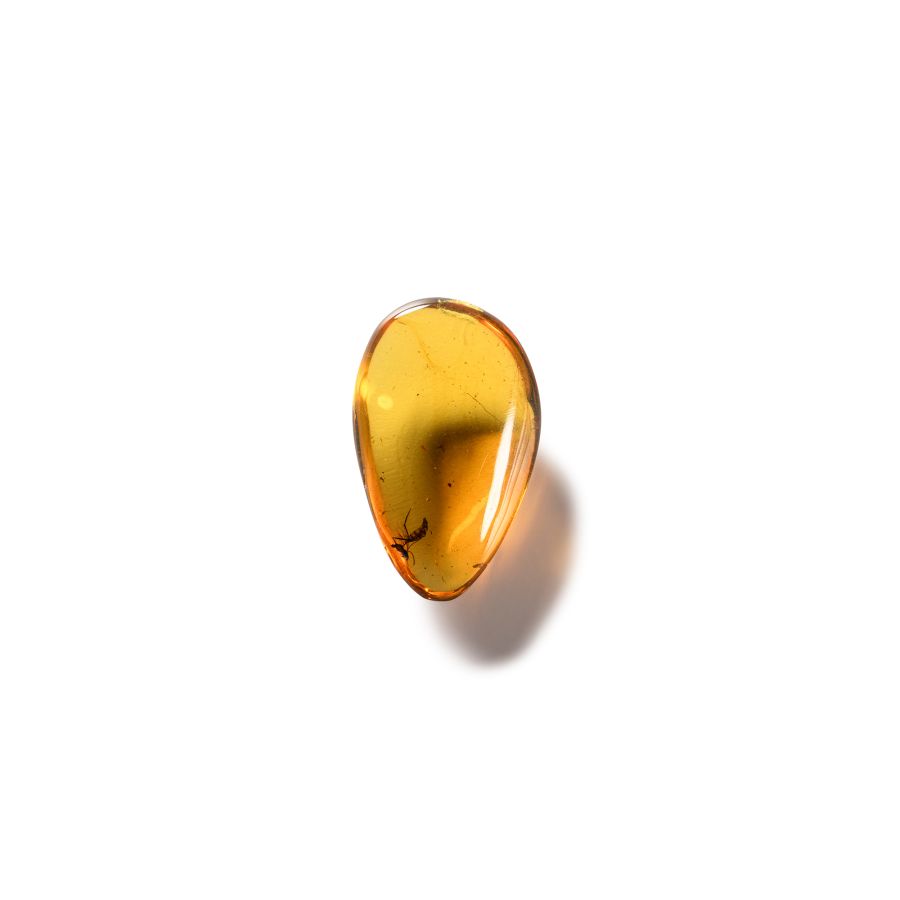
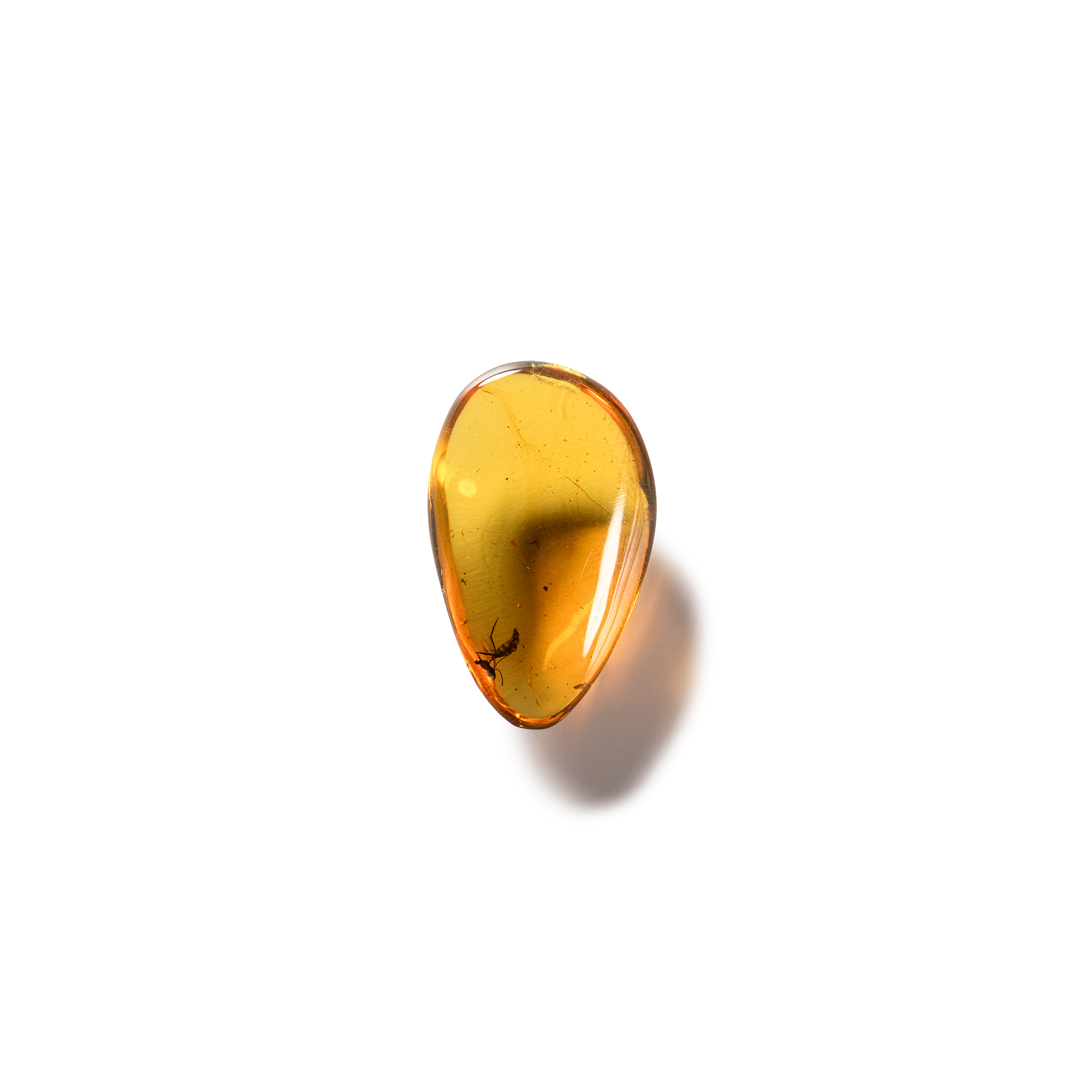
Natural History - Amber with Insect Inclusion
OLIGOCENE PERIOD, CIRCA 45 MILLION YEARS B.P.
1 1/8 in. (2.67 grams, 30 mm).
Polished teardrop-shaped specimen with insect inclusion. [No Reserve]
ProvenanceFrom a North American collection.
Property of an East Sussex, UK, gentleman.
TimeLine Auctions follows a vetting process to ensure the authenticity and legality of all items, reinforcing our commitment to integrity and responsible trading. Each antiquity, antique, and coin lot undergoes thorough examination by a vetting committee of at least ten external specialists, professional trade association members, scientists, and archaeologists: Our Vetting Process
AUCTIONS:
TimeLine is a leading auction house specialising in antiquities, ancient art, collectables, natural history, coins, medals, and books. Our auctions offer museums, collectors, historians, and enthusiasts the opportunity to acquire unique and historically significant pieces.
-
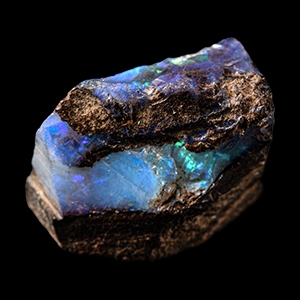
Natural History - Australian Boulder Opal Specimen
Sold for (Inc. bp): £78
In cut dark brown ironstone matrix, displaying a beautiful play of colour. 0.91 grams, 10 mm
Property of a UK gentleman, acquired in the 1970s. Property of an East Sussex, UK, gentleman. -
![Natural History - Boxed Opal in Matrix Specimen Collection [13]](https://timelineauctions.com/upload/images/items/small/208023-s.jpg)
Natural History - Boxed Opal in Matrix Specimen Collection [13]
Sold for (Inc. bp): £65
Each matrix with variously sized fire opal inclusions, supplied in labelled specimen trays. 346 grams total, 37-50 mm
From Bocoyna, Chihuhuahua, Mexico. Ex Mineral Imports, London, UK. Gregory, Bottley & Lloyd (Gregory's). -
![Natural History - Very Large Amethyst Crystal Point Group [6]](https://timelineauctions.com/upload/images/items/small/207967-s.jpg)
Natural History - Very Large Amethyst Crystal Point Group [6]
Sold for (Inc. bp): £7
Comprising six points of translucent amethyst. 2.2 kg total, 7.3-10.4 cm
Ex Mineral Imports, London, UK. Gregory, Bottley & Lloyd (Gregory's).
