
Loading, please wait...
LOT 1819
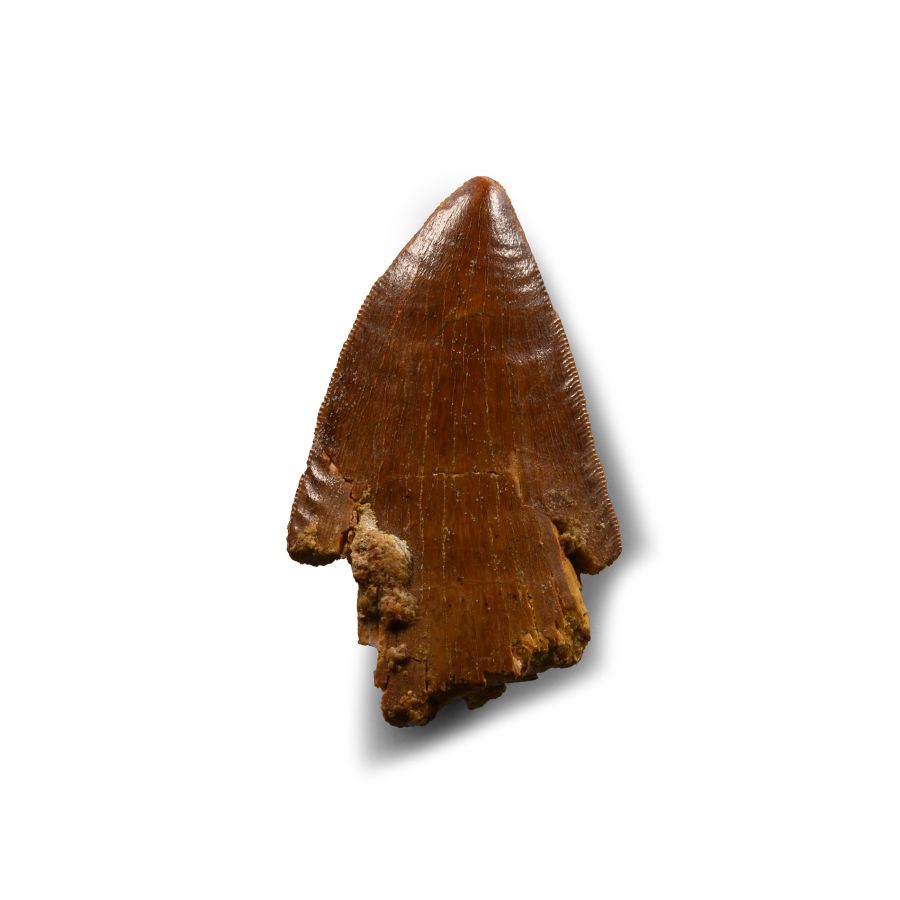
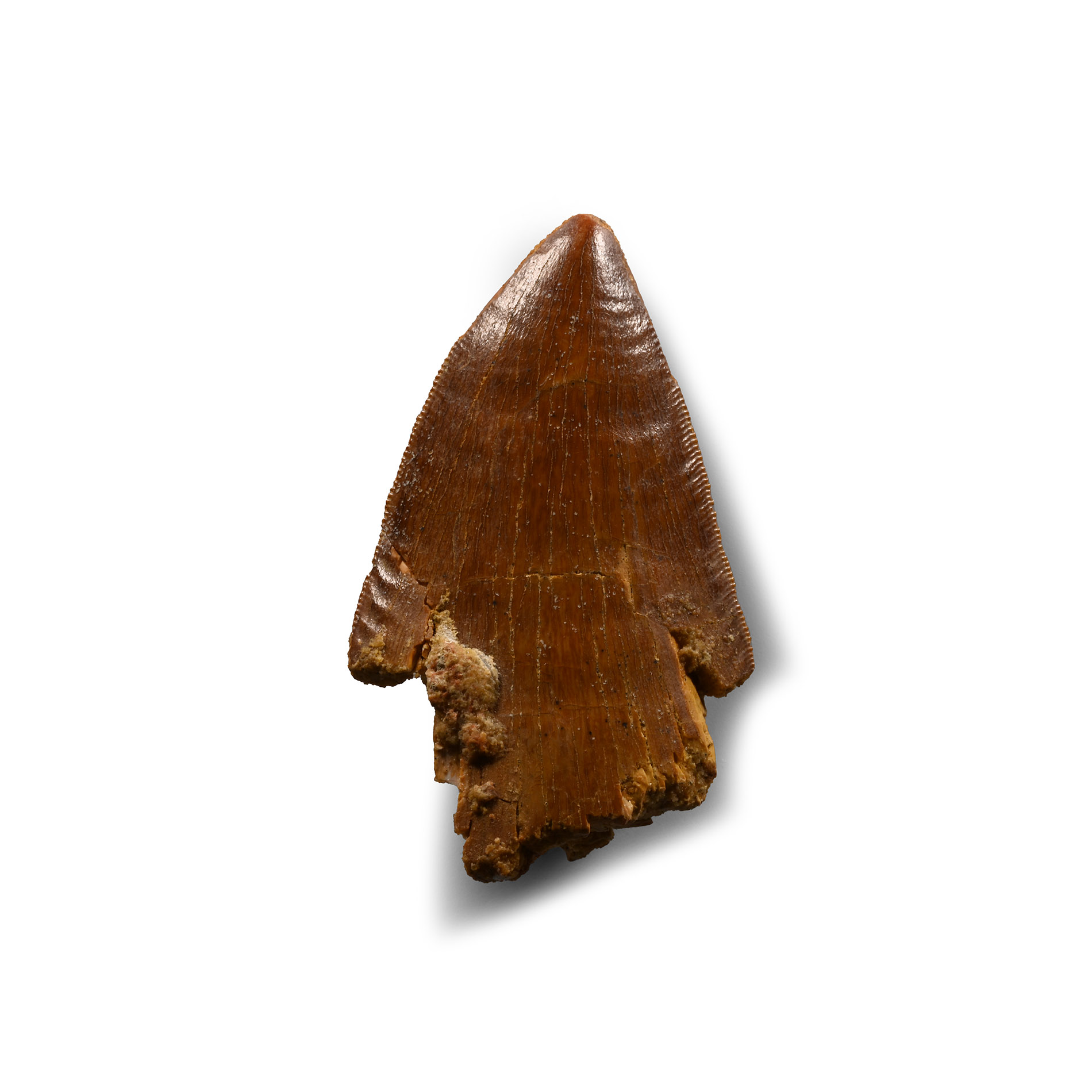
Natural History - African 'T-rex' Fossil Tooth
CRETACEOUS PERIOD, CIRCA 145-93 MILLION YEARS B.P.
2 3/8 in. (25.7 grams, 60 mm).
With some serration, from Carcharodontosaurus saharicus; repaired.
ProvenanceFrom the Tegana formation of the Sahara Desert, Morocco.
Acquired during 1980s.
From an old Lincolnshire, UK, collection.
The Carcharodontosaurus saharicus was one of the largest predators (larger than its distant North American T-Rex cousin) of all time and is also related to Allosaurus and the South American Giganotosaurus.
CONDITIONTimeLine Auctions follows a vetting process to ensure the authenticity and legality of all items, reinforcing our commitment to integrity and responsible trading. Each antiquity, antique, and coin lot undergoes thorough examination by a vetting committee of at least ten external specialists, professional trade association members, scientists, and archaeologists: Our Vetting Process
AUCTIONS:
TimeLine is a leading auction house specialising in antiquities, ancient art, collectables, natural history, coins, medals, and books. Our auctions offer museums, collectors, historians, and enthusiasts the opportunity to acquire unique and historically significant pieces.
-
![Natural History - Quartz Crystal Specimen Group [100]](https://timelineauctions.com/upload/images/items/small/207927-s.jpg)
Natural History - Quartz Crystal Specimen Group [100]
Sold for (Inc. bp): £13
Of various sizes, some translucent. 1.13 kg total, 22-40 mm
From Brazil. Ex Mineral Imports, London, UK. Gregory, Bottley & Lloyd (Gregory's). -
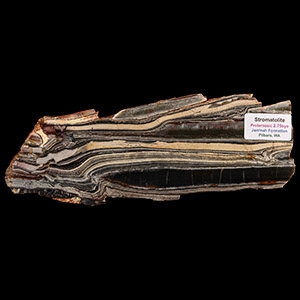
Natural History - 'Australian' Polished Stromatolite Chert Slice
Jeerinah Formation, circa 2.7 billion years B.P.Sold for (Inc. bp): £46
Proterozoic with typical veins in cream, russet, brown and grey, with an identification label to one end. 549 grams, 23 cm
Fropm Pilbara, Western Australia. Ex Australian natural history market. From a Leicestershire, UK, collection. -
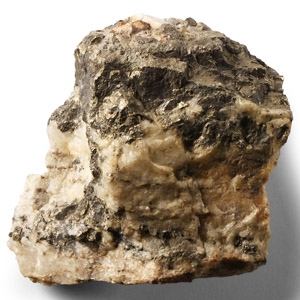
Natural History - Historic Slovenia Gold and Silver Ore Mineral Specimen
Sold for (Inc. bp): £65
The host rock raw and unpolished. 107 grams, 61 mm
From the Exchange Mine, Slovenia. Collected in person in 1965. From the private mineral collection of Stephen Atkinson, Harpenden, UK. Accompanied by a copy of a letter from the vendor giving details of him collecting these minerals throughout his life.
