
Loading, please wait...
LOT 1737
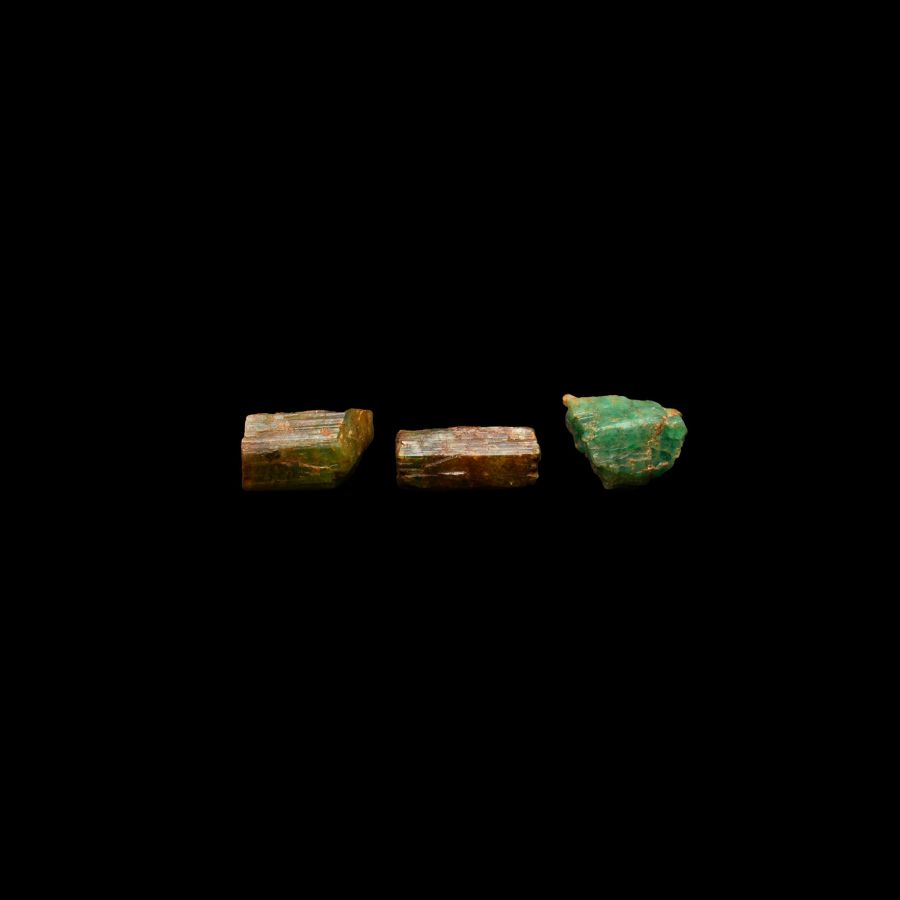
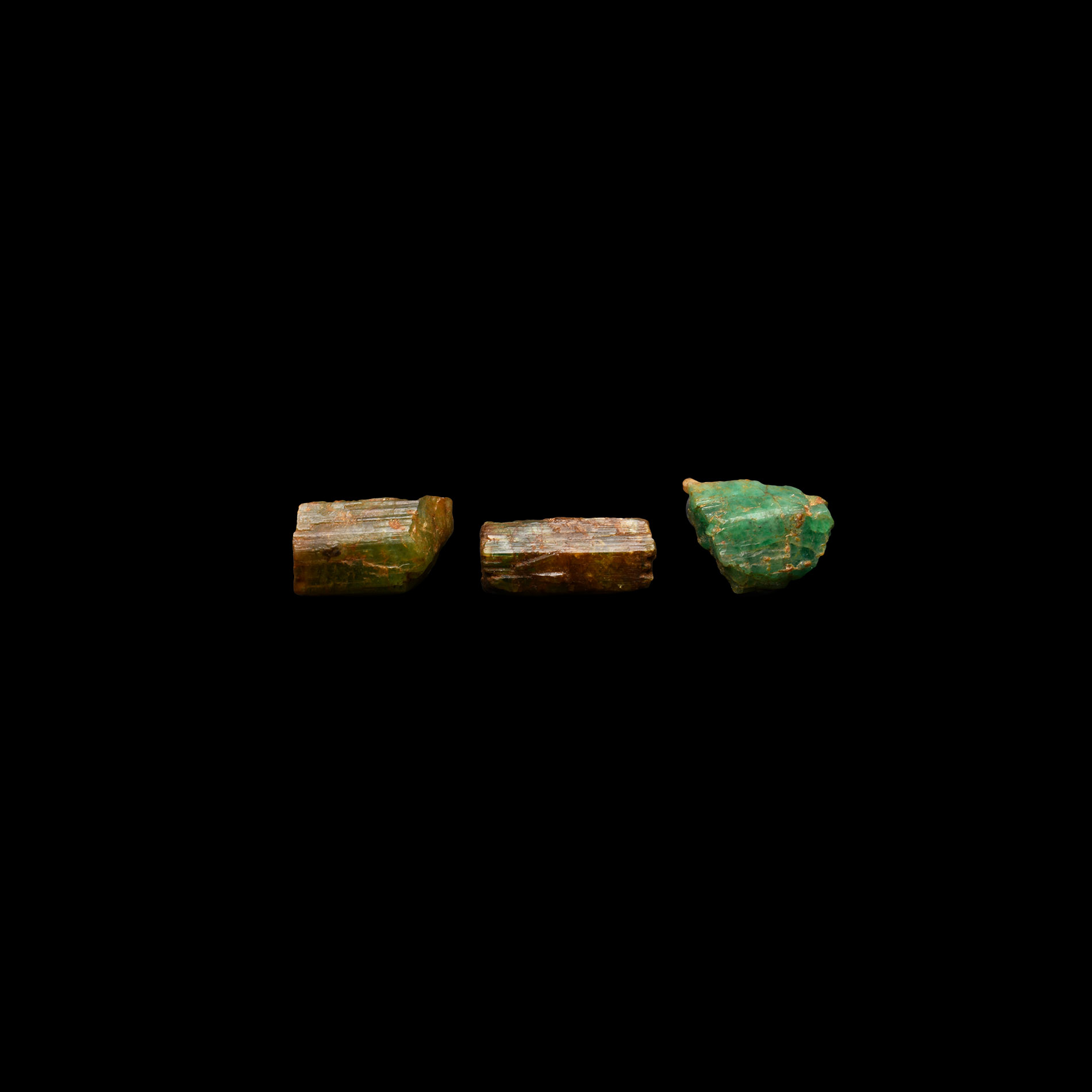
Natural History - 8.6 Carat Emerald Crystal Group
1/4 - 3/8 in. (1.72 grams total, 8-11 mm).
A group of three natural emerald crystal fragments. [3, No Reserve]
ProvenanceEx UK art market, 1970s.
Property of a London gentleman.
TimeLine Auctions follows a vetting process to ensure the authenticity and legality of all items, reinforcing our commitment to integrity and responsible trading. Each antiquity, antique, and coin lot undergoes thorough examination by a vetting committee of at least ten external specialists, professional trade association members, scientists, and archaeologists: Our Vetting Process
AUCTIONS:
TimeLine is a leading auction house specialising in antiquities, ancient art, collectables, natural history, coins, medals, and books. Our auctions offer museums, collectors, historians, and enthusiasts the opportunity to acquire unique and historically significant pieces.
-
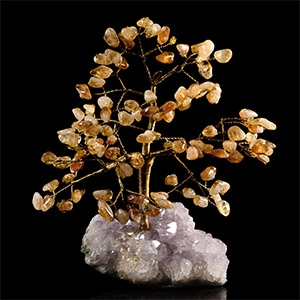
Natural History - Citrine and Amethyst Gem Tree
Sold for (Inc. bp): £13
A medium size gemstone tree comprising a brass trunk and branches tipped with polished citrine pebbles, mounted on a section of amethyst geode. 623 grams, 16 cm high
Mineral Imports, London, UK. Gregory, Bottley & Lloyd (Gregory's). -
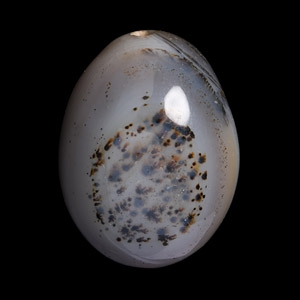
Natural History - Moss Agate Bead
Sold for (Inc. bp): £5
A polished ovoid moss agate bead, pierced for suspension. 25.9 grams, 32 mm
Essex gallery, early 2000s. -
.jpg)
Natural History - Bivalve Shell Preserved in Opal
Cretaceous Period, 110 million years B.P.Sold for (Inc. bp): £39
A stunning fossil bivalve shell, preserved in black opal, showing iridescent colours, including blue, greens and reds. 15.2 grams total, 41 x 34 mm including case
Fine condition.
From Lightning Ridge, Australia. Private Shropshire, UK collection.
Opal is a spectacular gemstone, and a dazzling key to Australia’s mysterious past, because buried in the Australian opal fields are fossils of dinosaurs and other strange creatures that lived 110 million years ago, in Early Cretaceous times. These fossils are literally gems: teeth, bones, shells and pinecones which have turned to solid opal. Australia is the only country where opalised animal fossils are found. Opalised fossils are rare and precious; even more so because in Australia, it is rare to find fossils of any kind from the time of the dinosaurs.
