
Loading, please wait...
LOT 2498
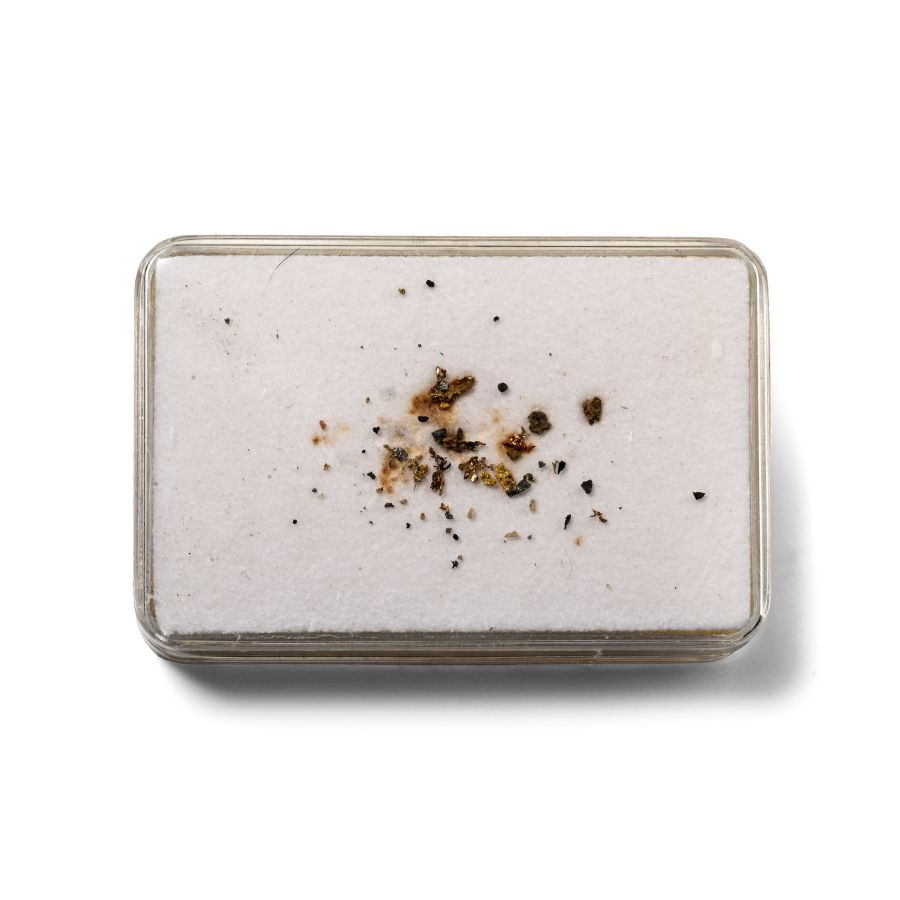
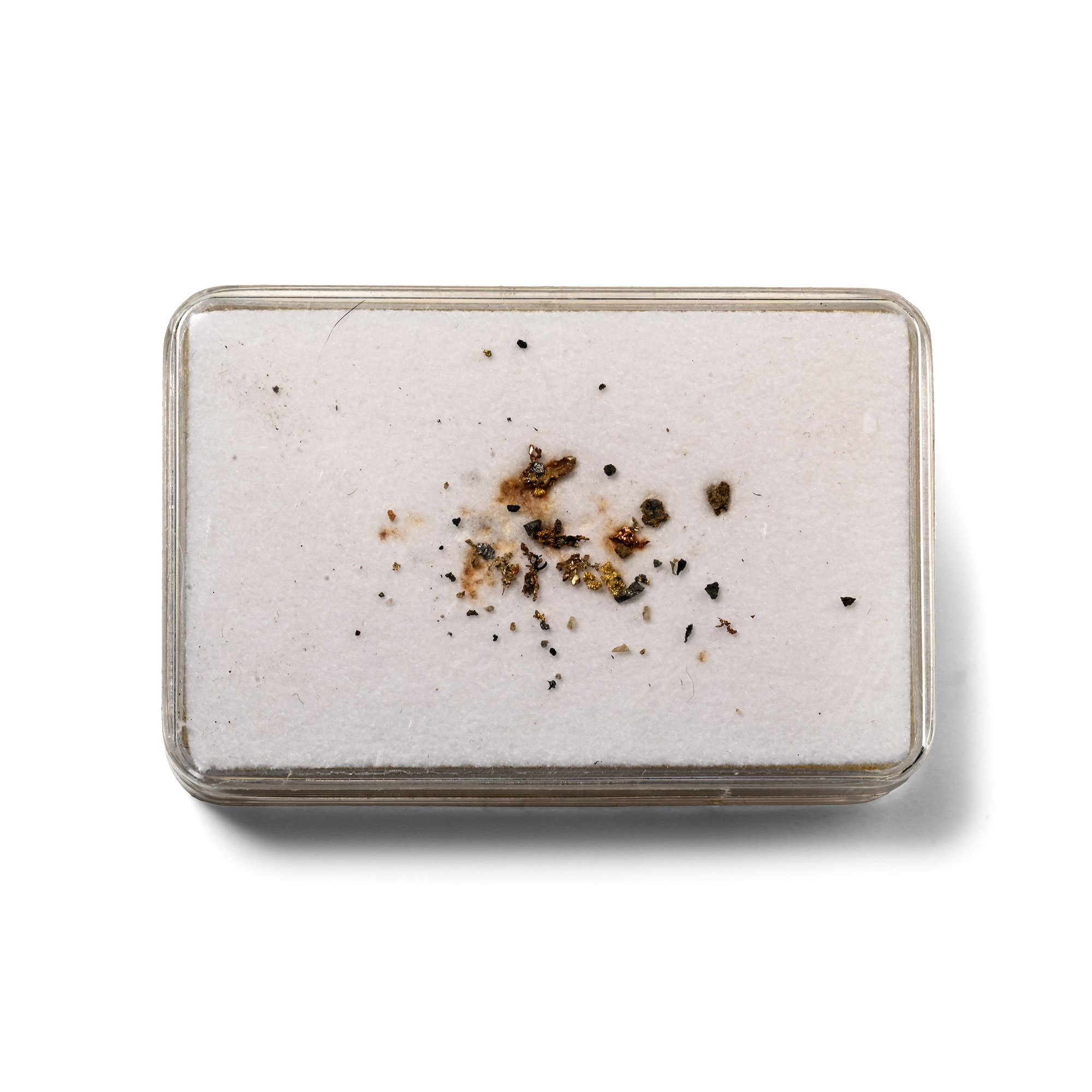
Natural Gold Specimen Group
2 1/4 x 1 1/2 in. (8.67 grams total, 58 x 38 mm including box).
Comprising a quantity of small specimens in a display box. [No Reserve]
ProvenanceEx Mineral Imports, London, UK.
Gregory, Bottley & Lloyd (Gregory's), Harwich, UK.
TimeLine Auctions follows a vetting process to ensure the authenticity and legality of all items, reinforcing our commitment to integrity and responsible trading. Each antiquity, antique, and coin lot undergoes thorough examination by a vetting committee of at least ten external specialists, professional trade association members, scientists, and archaeologists: Our Vetting Process
AUCTIONS:
TimeLine is a leading auction house specialising in antiquities, ancient art, collectables, natural history, coins, medals, and books. Our auctions offer museums, collectors, historians, and enthusiasts the opportunity to acquire unique and historically significant pieces.
-
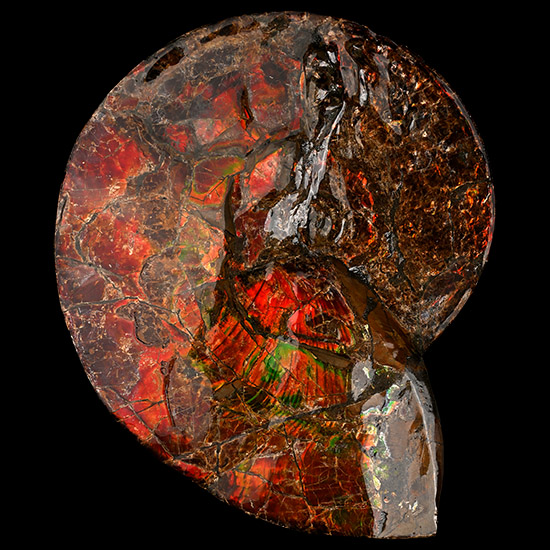
Large Iridescent Placenticeras Ammonite from Alberta
Bear Paw Formation, Upper Cretaceous Period, circa 76-73 million years B.P.Sold for (Inc. bp): £5,980
Placenticeras costatum with gem quality fossilised shell with some visible suture lines, conserved and stabilised with natural polish and acrylic lacquer, with excellent iridescence showing red, green, orange and gold colours. 952 grams, 26 cm
Found St Mary River Valley, Lethbridge Mining District, Alberta, Canada. Property of a Bristol, UK, gentleman collector. Accompanied by a certificate of authenticity, exportable under Moveable Cultural Property Permit no.7021-25-12-22-0102.
The striking iridescence of these ammonites from Alberta, Canada, termed 'ammolite', was given the status of a gemstone by CIBJO in 1981. An iridescent opal-like play of colour is shown in fine specimens, and is caused by the microstructure of aragonite, the same mineral contained in pearls and nacre. The thicker the structural layers, the more reds and greens are produced; the thinner the layers, the more blues and violets predominate. The ammonites are a group of molluscs that lived in the seas from the mid-Devonian (approximately 400 million years ago) to the end of the Cretaceous (65 million years ago). The sequence of events that famously killed off the dinosaurs also drove the ammonites to extinction. -
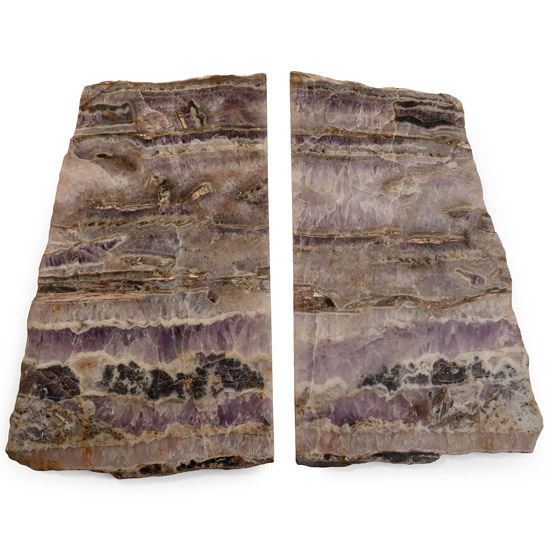
Two Large Cut and Polished Slabs of Rare Vintage Blue John Fluorite
Sold for (Inc. bp): £104
Two irregular slabs showing typical purple, blue and white banding. 935 grams total, 25.1-25.6 cm
From the UK. Ex Mineral Imports, London, UK. Gregory, Bottley & Lloyd (Gregory's), Harwich, UK. -
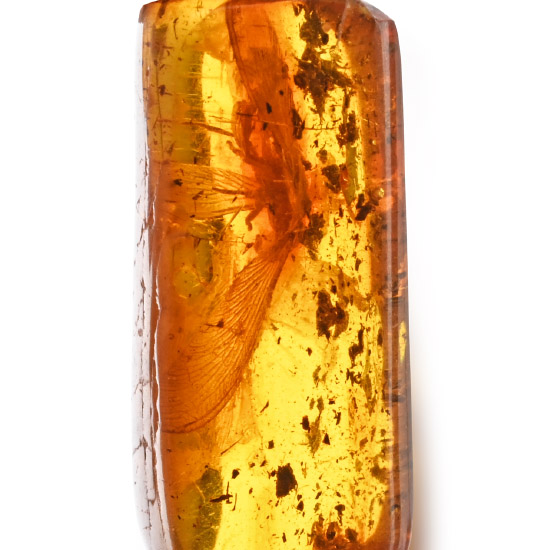
Polished Amber with Crane Fly
Oligocene Period, circa 45 million years B.P.Sold for (Inc. bp): £286
Rectangular translucent specimen with a crane fly or similar. 0.9 grams, 21 mm
From a Norfolk, UK, collection.
