
Loading, please wait...


LOT 2376
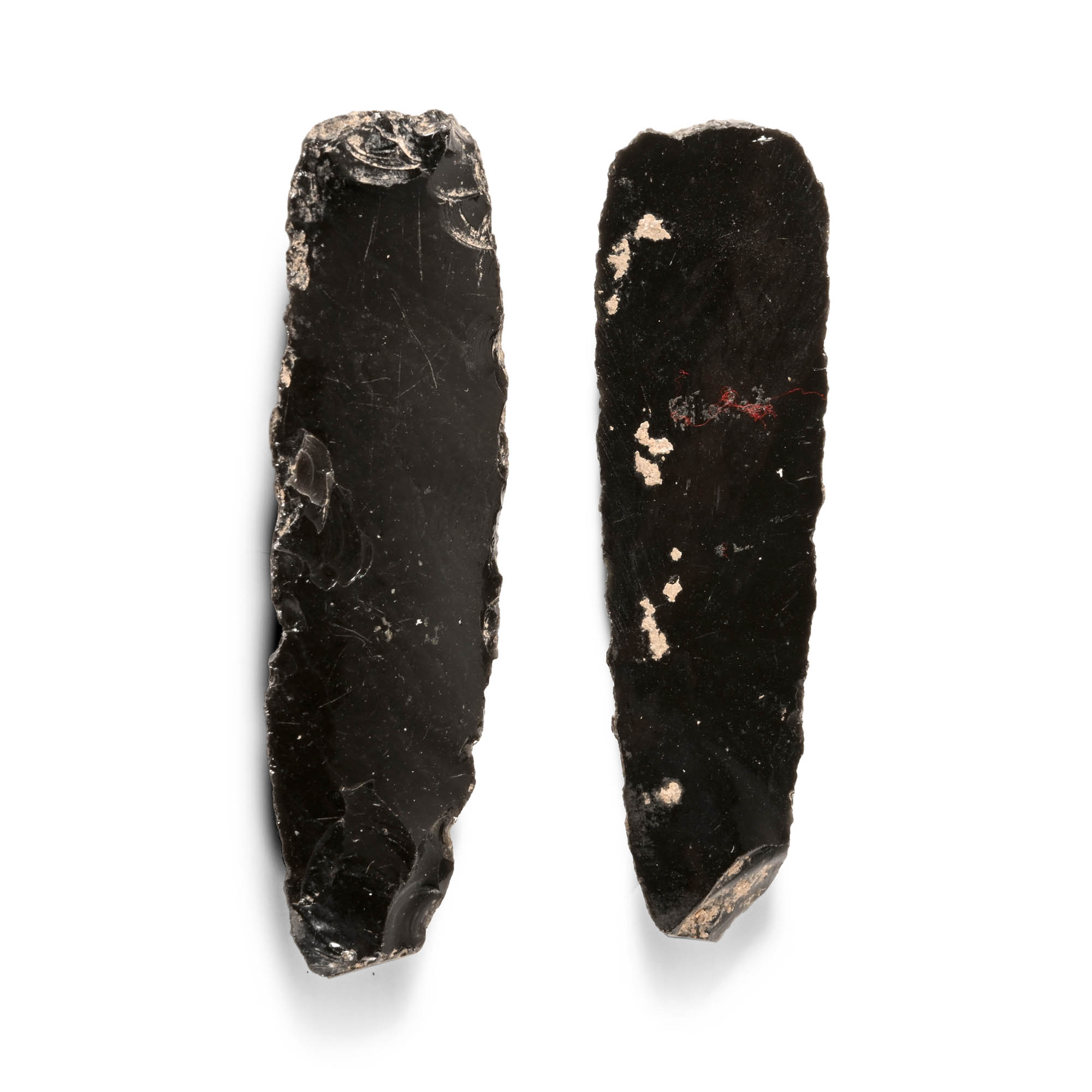
Native American Obsidian Knife Blade Group
EARLY ARCHAIC PERIOD, 8TH-5TH MILLENNIUM B.C.
4 4 5/8 - 4 7/8 in. (126 grams total, 11.7-12.3 cm).
Each triangular in section and tongue-shaped in plan with thick rounded ends. [2, No Reserve]
ProvenanceFrom a family collection mostly formed in the 1940s-1950s, thence by descent.
CONDITIONTimeLine Auctions follows a vetting process to ensure the authenticity and legality of all items, reinforcing our commitment to integrity and responsible trading. Each antiquity, antique, and coin lot undergoes thorough examination by a vetting committee of at least ten external specialists, professional trade association members, scientists, and archaeologists: Our Vetting Process
AUCTIONS:
TimeLine is a leading auction house specialising in antiquities, ancient art, collectables, natural history, coins, medals, and books. Our auctions offer museums, collectors, historians, and enthusiasts the opportunity to acquire unique and historically significant pieces.
-
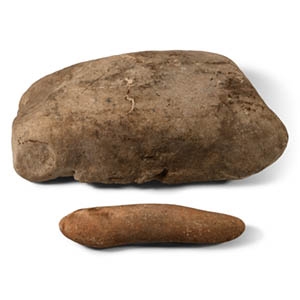
Native American Smoothing Stone Pair
Woodland Period, 3rd-10th century A.D.Sold for (Inc. bp): £7
Comprising a sub-rectangular quern with slightly dished upper face, and a round-section muller or handstone with one pointed end. 19.5 kg total, 26-42 cm
From a collection acquired on the UK art market from various auction houses and collections mostly before 2000. From an important Cambridgeshire estate; thence by descent. -
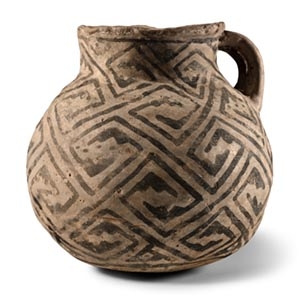
Native American Anasazi Painted White Ware Jug
Circa 900-1150 A.D.Sold for (Inc. bp): £442
Globular in profile with two loop handles to the shoulder and flared mouth; painted with a pattern of interlocking meanders. 439 grams, 13.5 cm high
From a family collection mostly formed in the 1940s-1950s, thence by descent. -
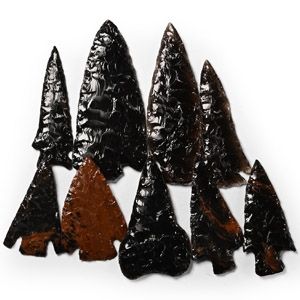
Native American Klamath-Modoc Obsidian Arrowhead Group
20th century A.D. or earlierSold for (Inc. bp): £104
Including barbed-and-tanged, triangular and other types. 91 grams total, 50-84 mm
From the private collection of Kenneth Machin (1936-2020), Buckinghamshire, UK; his collection of antiquities and natural history was formed since 1948; thence by descent.
