
Loading, please wait...
LOT 0199
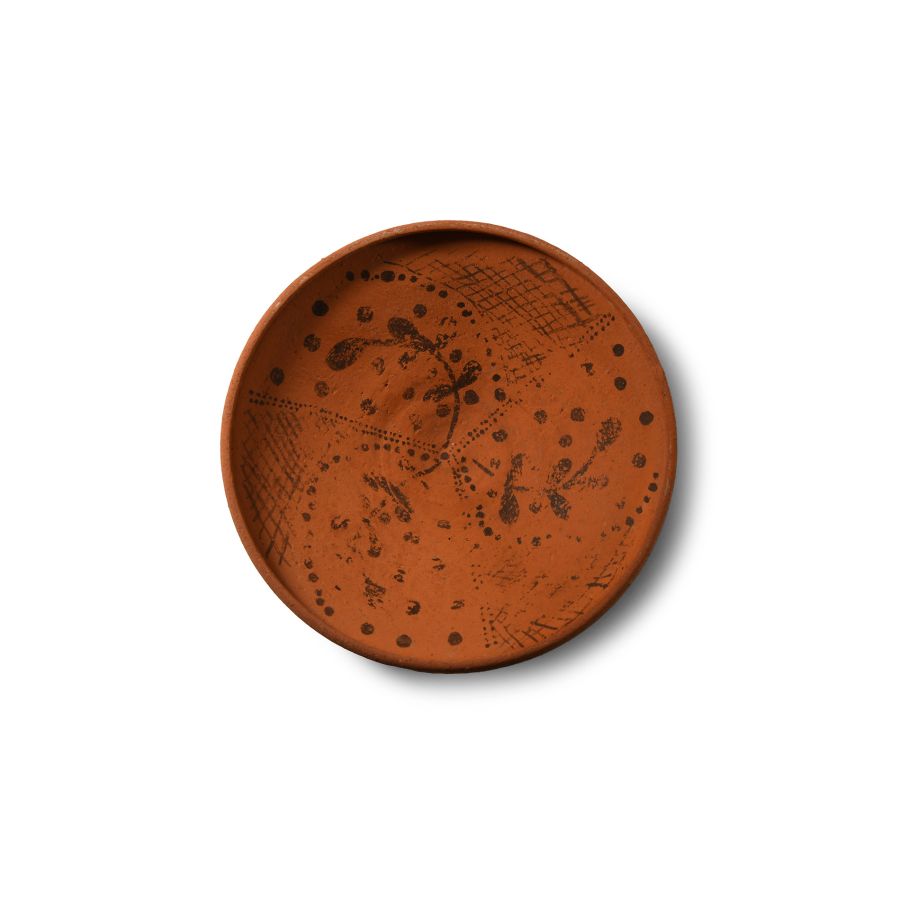
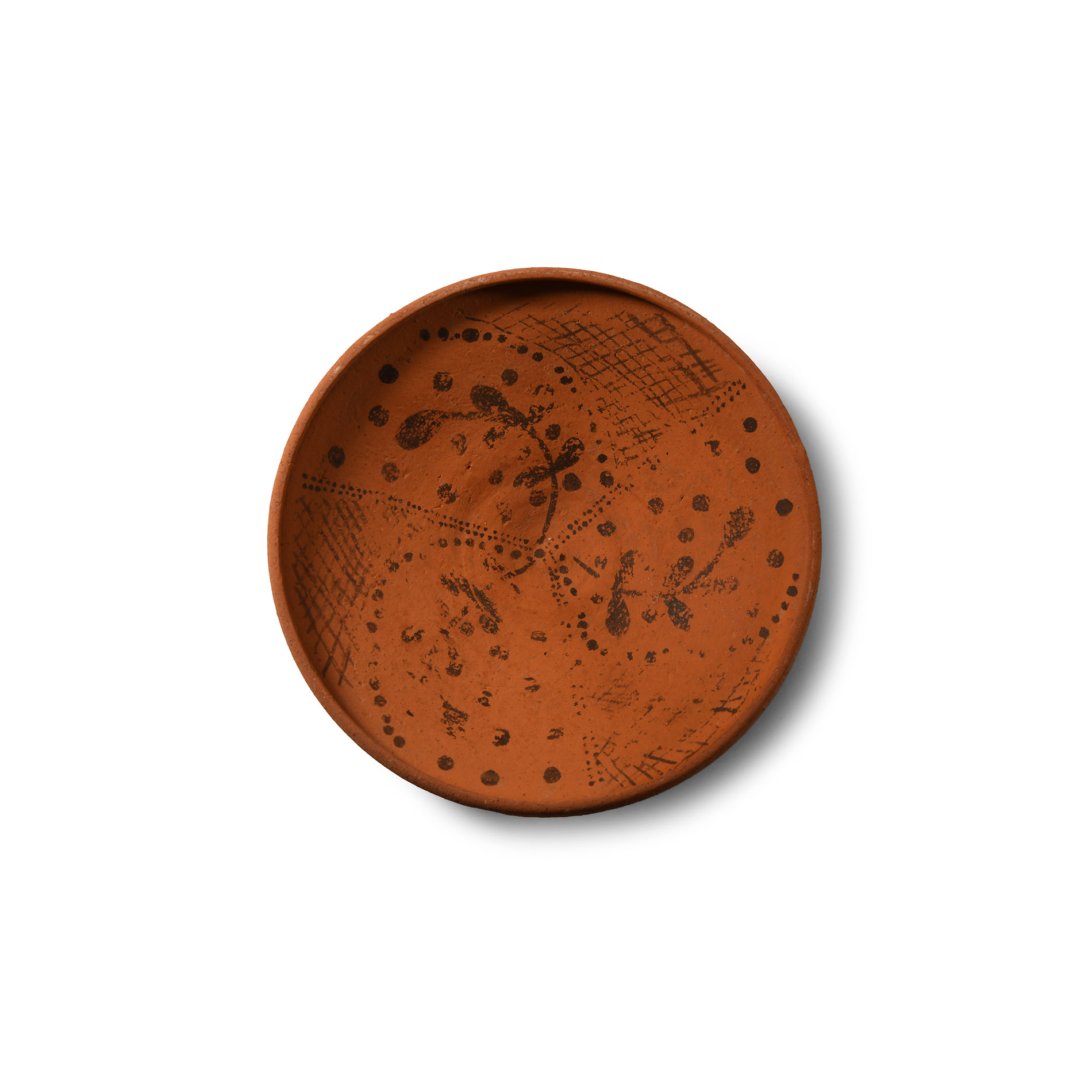
Nabataean Redware Dish with Painted Foliage
1ST CENTURY B.C.-1ST CENTURY A.D.
5 7/8 in. (106 grams, 15 cm wide).
Squat dish with conical profile, low flange rim with carination; finely detailed painted foliage and reticulation to the inner face; very rare.
ProvenanceFrom the important family collection of the late M.N., pre 1992.
LiteratureSee Hammond, P.C., A Classification of Nabataean Fine Ware in American Journal of Archaeology, Vol.66, no.2, for discussion.
CONDITIONTimeLine Auctions follows a vetting process to ensure the authenticity and legality of all items, reinforcing our commitment to integrity and responsible trading. Each antiquity, antique, and coin lot undergoes thorough examination by a vetting committee of at least ten external specialists, professional trade association members, scientists, and archaeologists: Our Vetting Process
AUCTIONS:
TimeLine is a leading auction house specialising in antiquities, ancient art, collectables, natural history, coins, medals, and books. Our auctions offer museums, collectors, historians, and enthusiasts the opportunity to acquire unique and historically significant pieces.
-
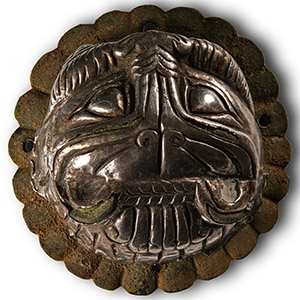
Pre-Achaemenid Bronze Lion Terminal with Silver Cladding
9th-8th century B.C.Estimate: £4,000 - 6,000 (+bp*)
Opening Bid: £2,000
With stylised repoussé head and face detailing, the mane represented by a scalloped border; sheet-silver cladding to the head; pierced for attachment. 82 grams, 76 mm
London, UK, gallery, 1971-early 2000s. This lot has been checked against the Interpol Database of stolen works of art and is accompanied by search certificate number no.11871-206896. -
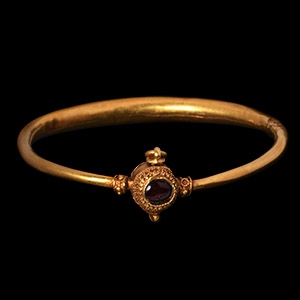
Western Asiatic Gold Hinged Bracelet with Garnet
Circa 12th-14th century A.D. and laterSold for (Inc. bp): £715
Composed of a tapering hoop with articulate hinge, collars adorned with filigree and granules, bezel set with a polished garnet cabochon in granulated surround; pin present. 6.22 grams, 46 mm wide
From the collection of a North American gentleman, formed in the 1990s. -
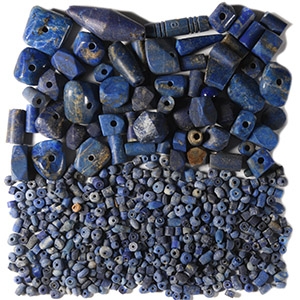
Western Asiatic Lapis Lazuli Necklace Bead Collection
1st millennium B.C. and laterSold for (Inc. bp): £169
Comprising a quantity of mostly small cylindrical form beads, with some larger examples of other shapes; each pierced for stringing. 97 grams total, 4-30 mm
UK gallery, early 2000s.
