
LOT 3170
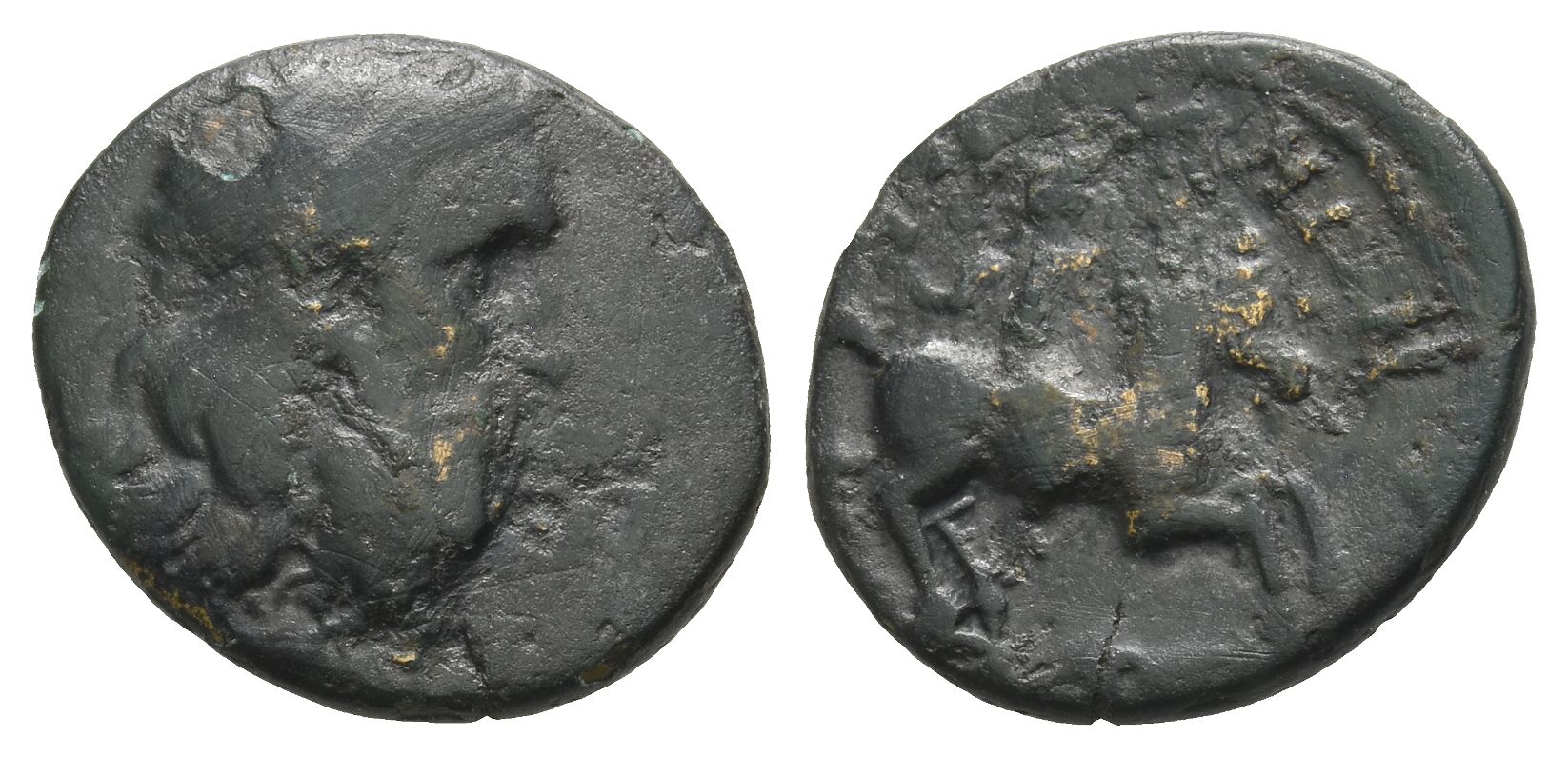
Mysia, Adramyteion AE 18mm. 2nd century BC.
Diademed head of Zeus to right / [AΔPA]ΜΥΤΗ[ΝΩΝ], horseman, wearing chlamys, on horse galloping to right, raising his right hand in salute. SNG BnF 9-10; Stauber & Barth 58; Von Fritze 25. Near Very Fine.(2.92gr, 18mm, 12h.).
ProvenanceAcquired on the European coin market.
Property of a Kent, UK, gentleman.
TimeLine Auctions follows a vetting process to ensure the authenticity and legality of all items, reinforcing our commitment to integrity and responsible trading. Each antiquity, antique, and coin lot undergoes thorough examination by a vetting committee of at least ten external specialists, professional trade association members, scientists, and archaeologists: Our Vetting Process
AUCTIONS:
TimeLine is a leading auction house specialising in antiquities, ancient art, collectables, natural history, coins, medals, and books. Our auctions offer museums, collectors, historians, and enthusiasts the opportunity to acquire unique and historically significant pieces.
-
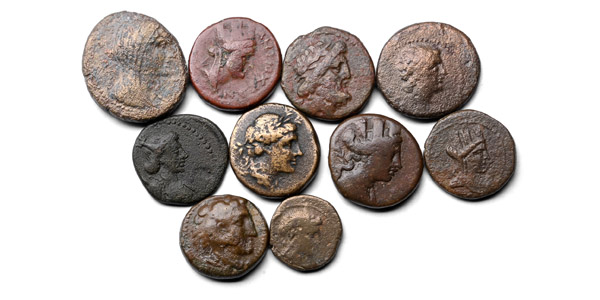
Group of Ten (10) Greek AE Coins. Circa 3rd-1st century BC.
Sold for (Inc. bp): £111
Comprising: mixed rulers, issues, denominations and reverse types. 65gr total.
As shown.
Property of a Cambridgeshire, UK, gentleman. -
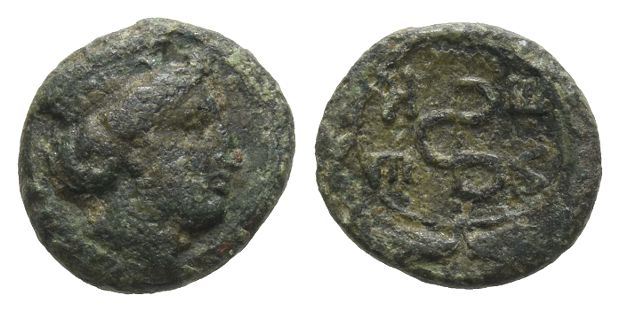
Troas, Zeleia AE Chalkous. 4th century BC.
Sold for (Inc. bp): £13
Head of Artemis to right, wearing stephane / Ζ-E Λ-E, torque within wreath of grain ears. SNG Copenhagen 503-4. 1.49gr, 12mm, 1h.
Near Very Fine. Rare city.
Acquired on the European coin market. Property of a Kent, UK, gentleman. -
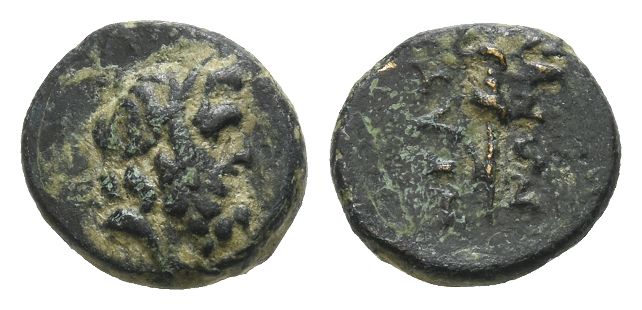
Phrygia, Peltae AE 10mm. Before 133 BC.
Sold for (Inc. bp): £52
Laureate head of Zeus (or Herakles) to right / ΠΕΛΤΗ-ΝΩΝ, club with lion's skin hanging over handle, monogram(?) to right. Cf. Imhoof-Blumer, KM, p.283, 6. 1.04gr, 10mm, 12h.
Very Fine. Very rare.
Acquired on the European coin market. Property of a Kent, UK, gentleman.
