
Loading, please wait...
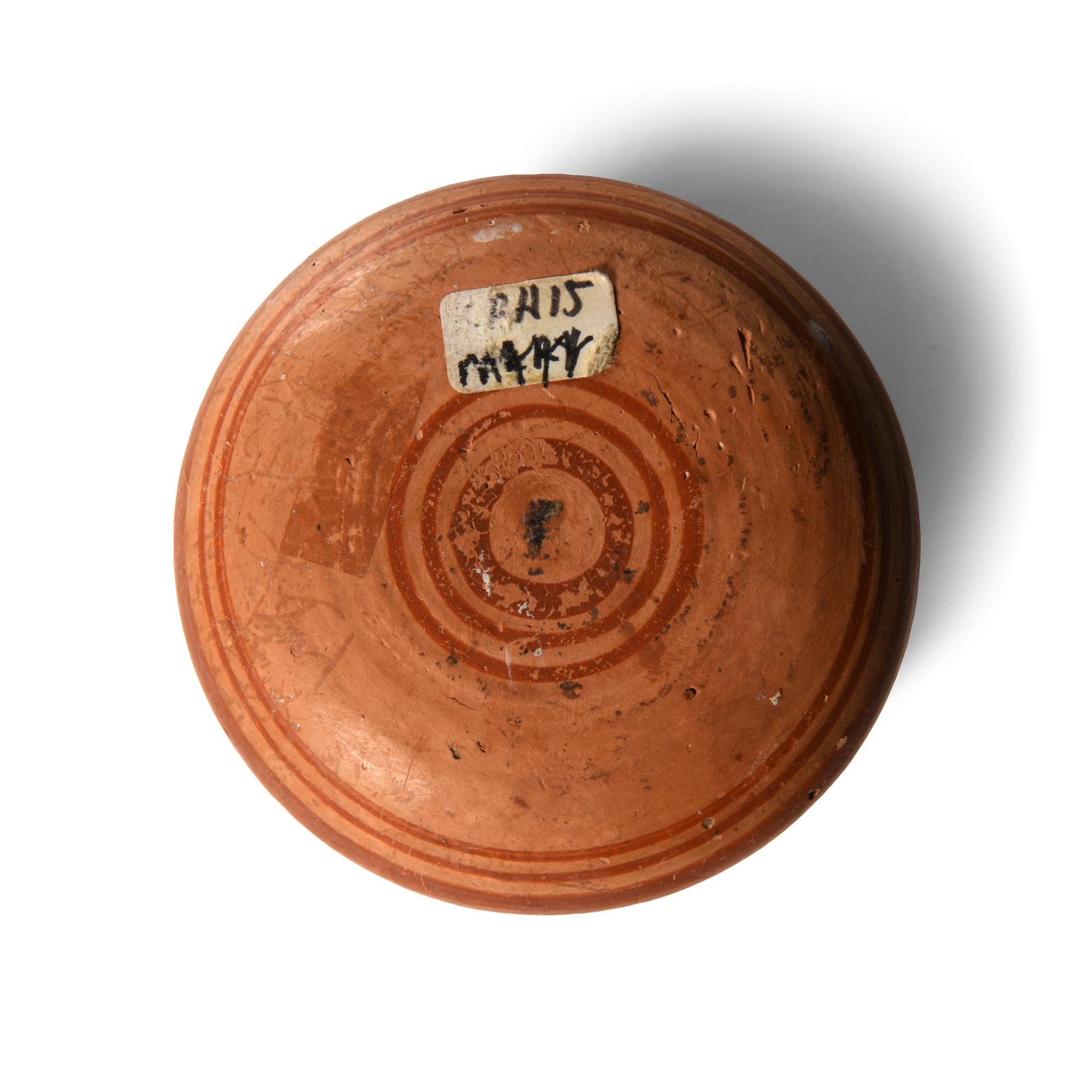
LOT 0030
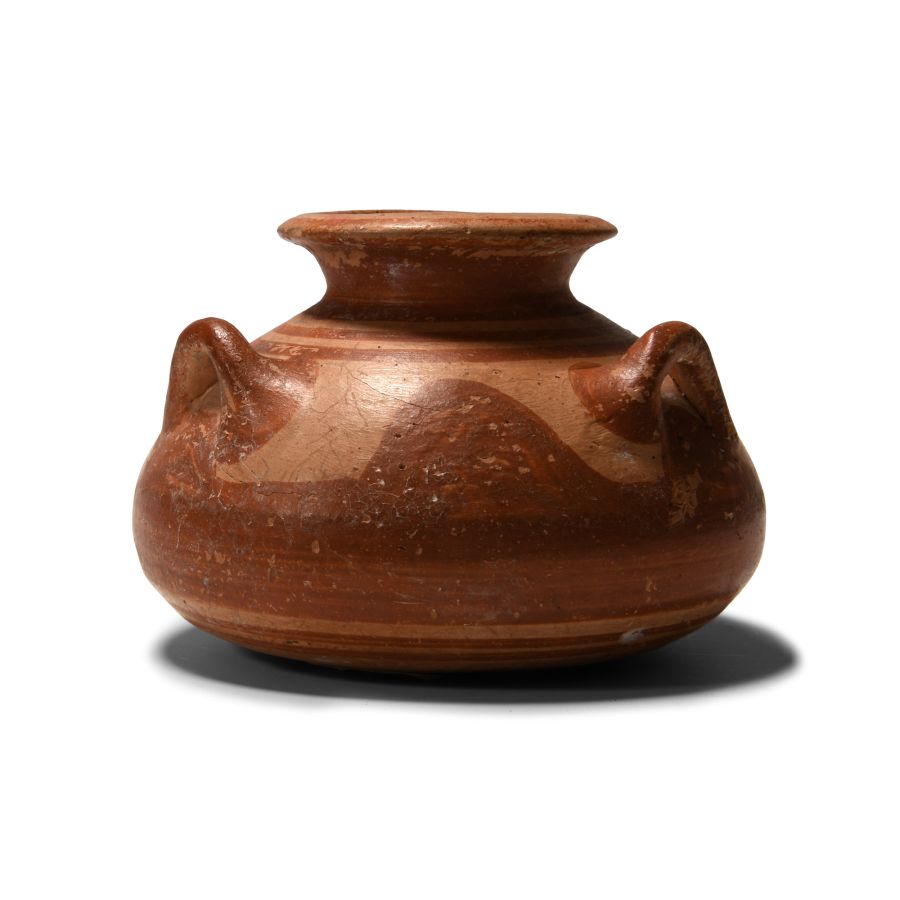
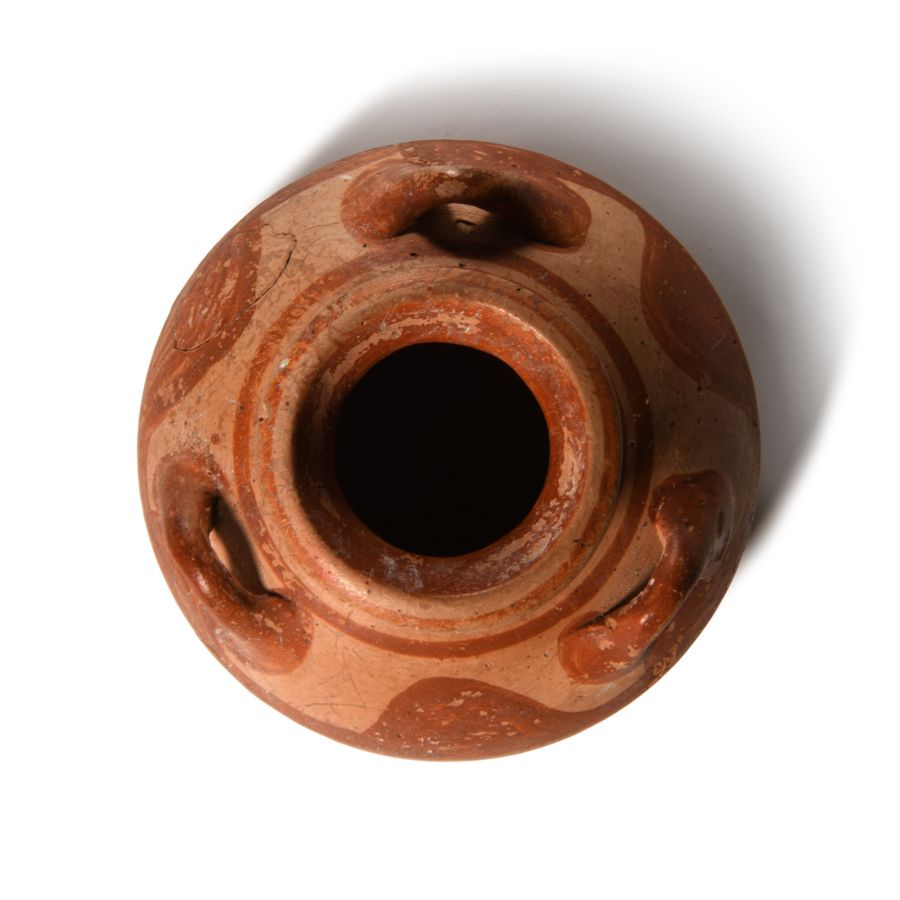
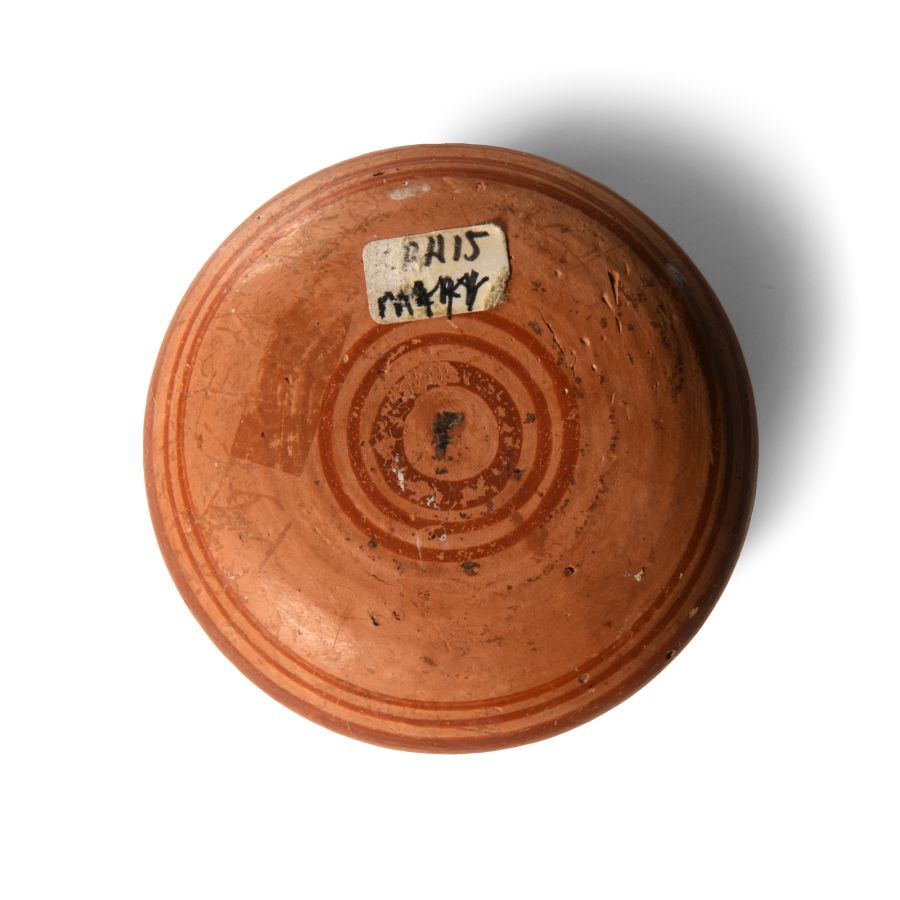
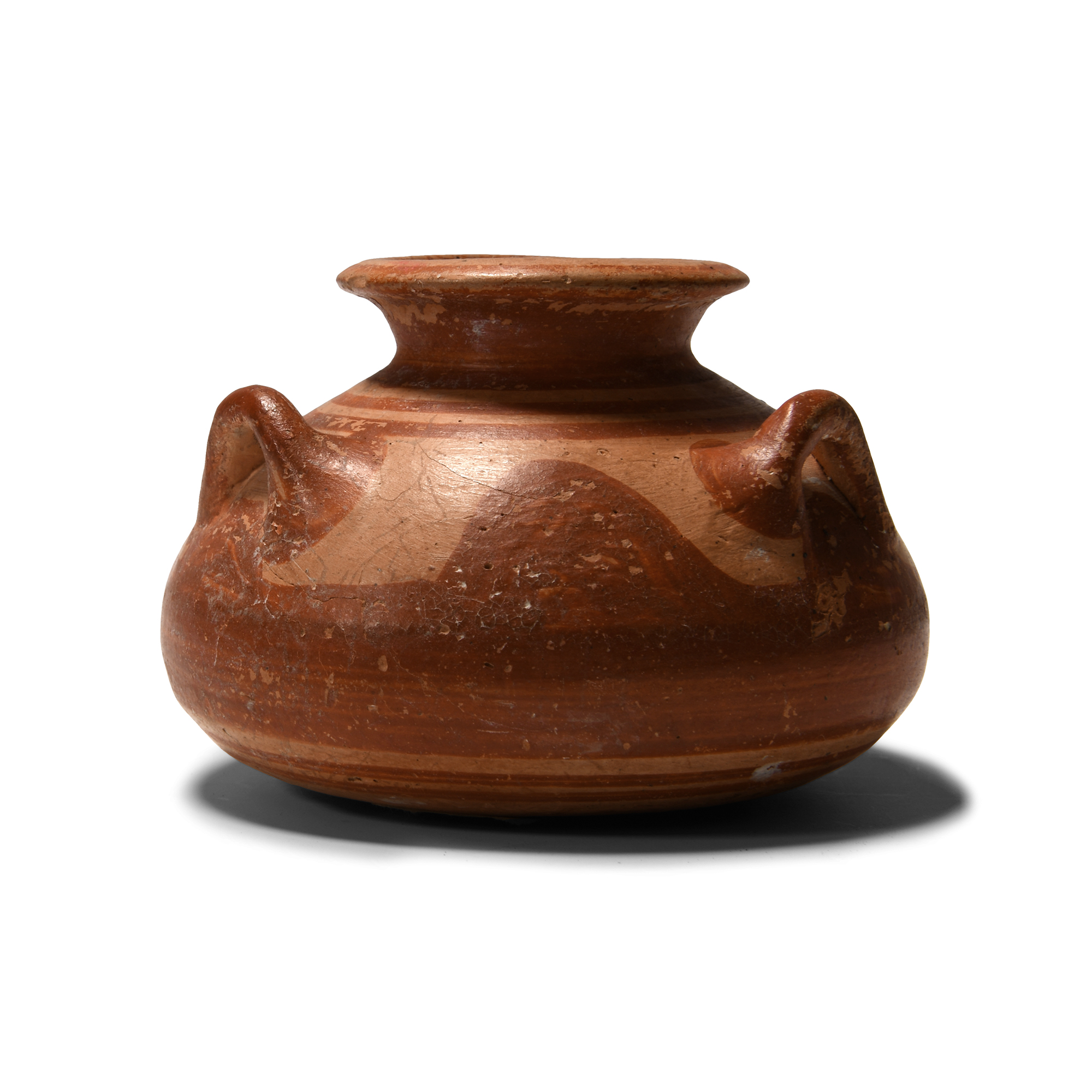
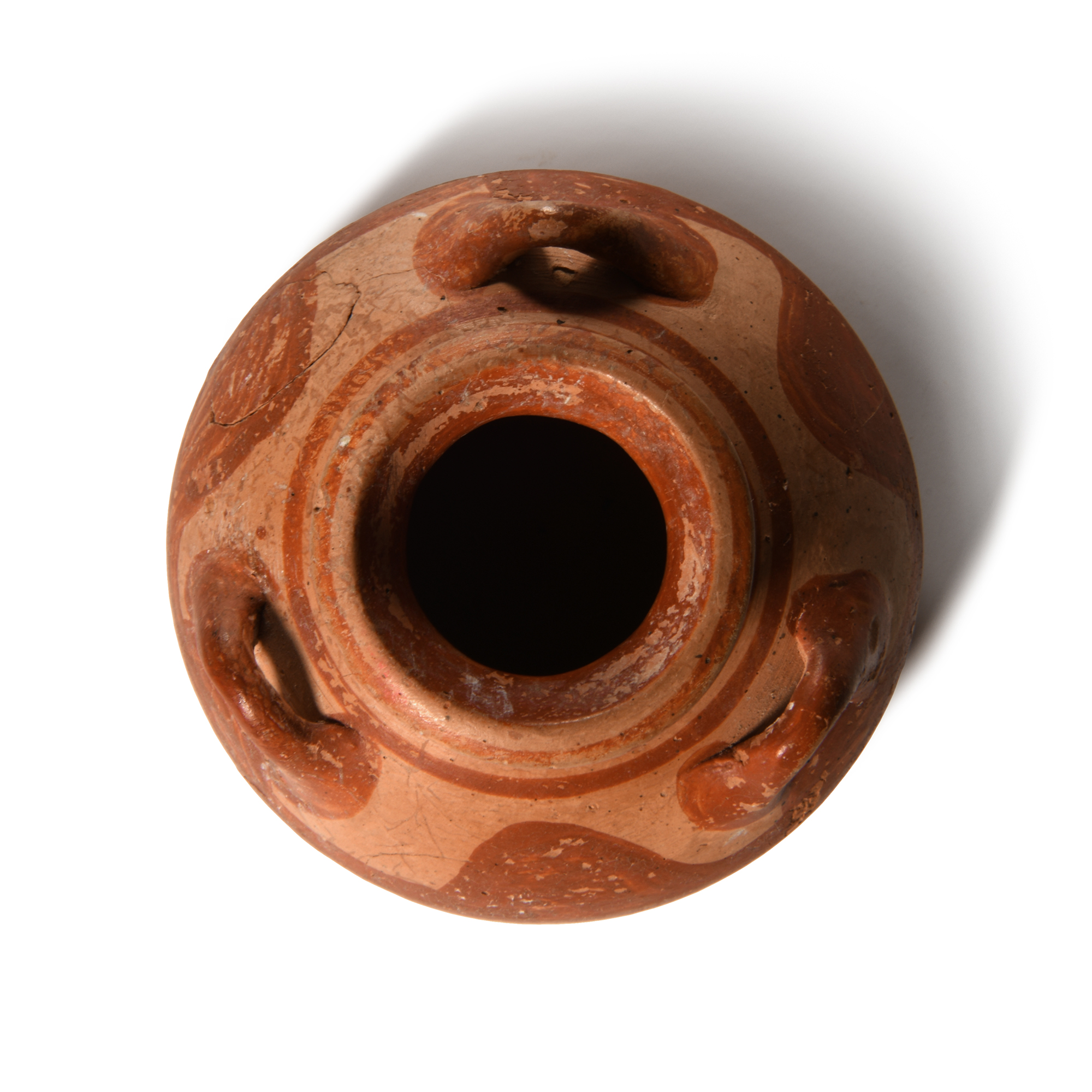
Mycenaean 'Wavy Line' Painted Alabastron
LATE HELLADIC IIIA PERIOD, 14TH-13TH CENTURY B.C.
2 3/4 in. (70 grams, 69 mm).
Formed with a squat globular body, everted rim and three lug handles to the shoulder; painted reddish-brown over a cream slip with concentric bands and rings to the mouth, neck, shoulder and base, larger solid undulating forms covering the lower body.
ProvenanceAcquired from Royal Athena Gallery, 2003.
This lot has been checked against the Interpol Database of stolen works of art and is accompanied by search certificate number no.11851-206833.
This lot is accompanied by an illustrated lot declaration signed by the Head of the Antiquities Department, Dr Raffaele D’Amato.
Cf. Sadberk Hanım Museum, Istanbul, for a very similar example.
CONDITIONTimeLine Auctions follows a vetting process to ensure the authenticity and legality of all items, reinforcing our commitment to integrity and responsible trading. Each antiquity, antique, and coin lot undergoes thorough examination by a vetting committee of at least ten external specialists, professional trade association members, scientists, and archaeologists: Our Vetting Process
AUCTIONS:
TimeLine is a leading auction house specialising in antiquities, ancient art, collectables, natural history, coins, medals, and books. Our auctions offer museums, collectors, historians, and enthusiasts the opportunity to acquire unique and historically significant pieces.
-
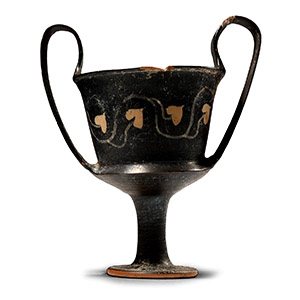
South Italian Blackware Wine Kantharos with Vine
5th-4th century B.C.Estimate: £1,200 - 1,700 (‡+bp*)
Opening Bid: £600
The high-handled drinking cup with carinated lower body, discoid feet and vines painted to the equator. 472 grams, 23.3 cm high
Acquired in Europe before 1994. This lot is accompanied by an illustrated lot declaration signed by the Head of the Antiquities Department, Dr Raffaele D’Amato. -
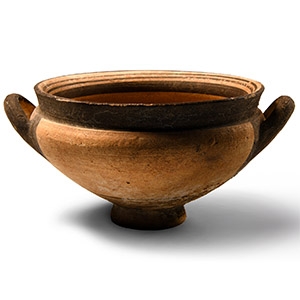
Greek Archaic Terracotta Skyphos with Concentric Circles
7th-early 6th century B.C.Sold for (Inc. bp): £468
Conical in form with rounded shoulder, everted rim and two round-section handles; painted with concentric bands around the interior and exterior. 243 grams, 15.5 cm wide
Acquired in Europe before 1992. European collection. This lot is accompanied by an illustrated lot declaration signed by the Head of the Antiquities Department, Dr Raffaele D’Amato.
The skyphos was already well known in Greece since the age of the Achaeans. In Homer, Eumaeus, the swineherd, prepares for his guest Ulysses a cyssibium filled with wine which the hero drinks during the meal and, when he is full, Eumaeus makes him drink from the cup in which he himself was using, a skyphos. Ulysses also offers Polyphemus a drink in a skyphos. -
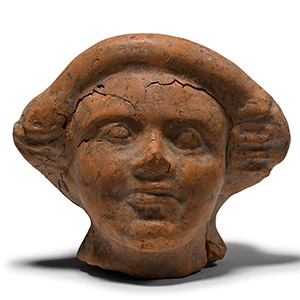
Hellenistic Terracotta Head of a Woman
3rd-1st century B.C.Estimate: £700 - 900 (‡+bp*)
Opening Bid: £350
Hollow-formed with flared neck, moulded face with shallow lentoid eyes, snub nose and wide mouth with enigmatic smile; band of hair framing the face. 499 grams, 12.3 cm wide
Acquired in the mid 1980s-1990s. Private collection, Switzerland, thence by descent. Private collection, since the late 1990s. This lot is accompanied by an illustrated lot declaration signed by the Head of the Antiquities Department, Dr Raffaele D’Amato.
