
Loading, please wait...
LOT 0503
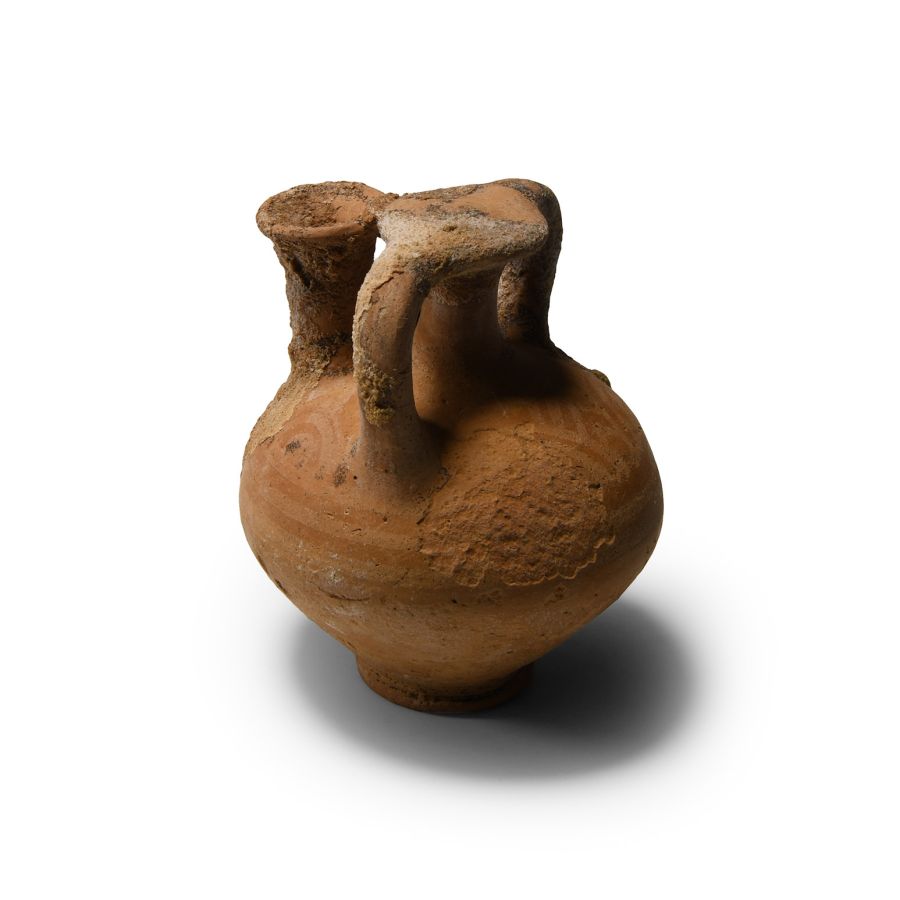
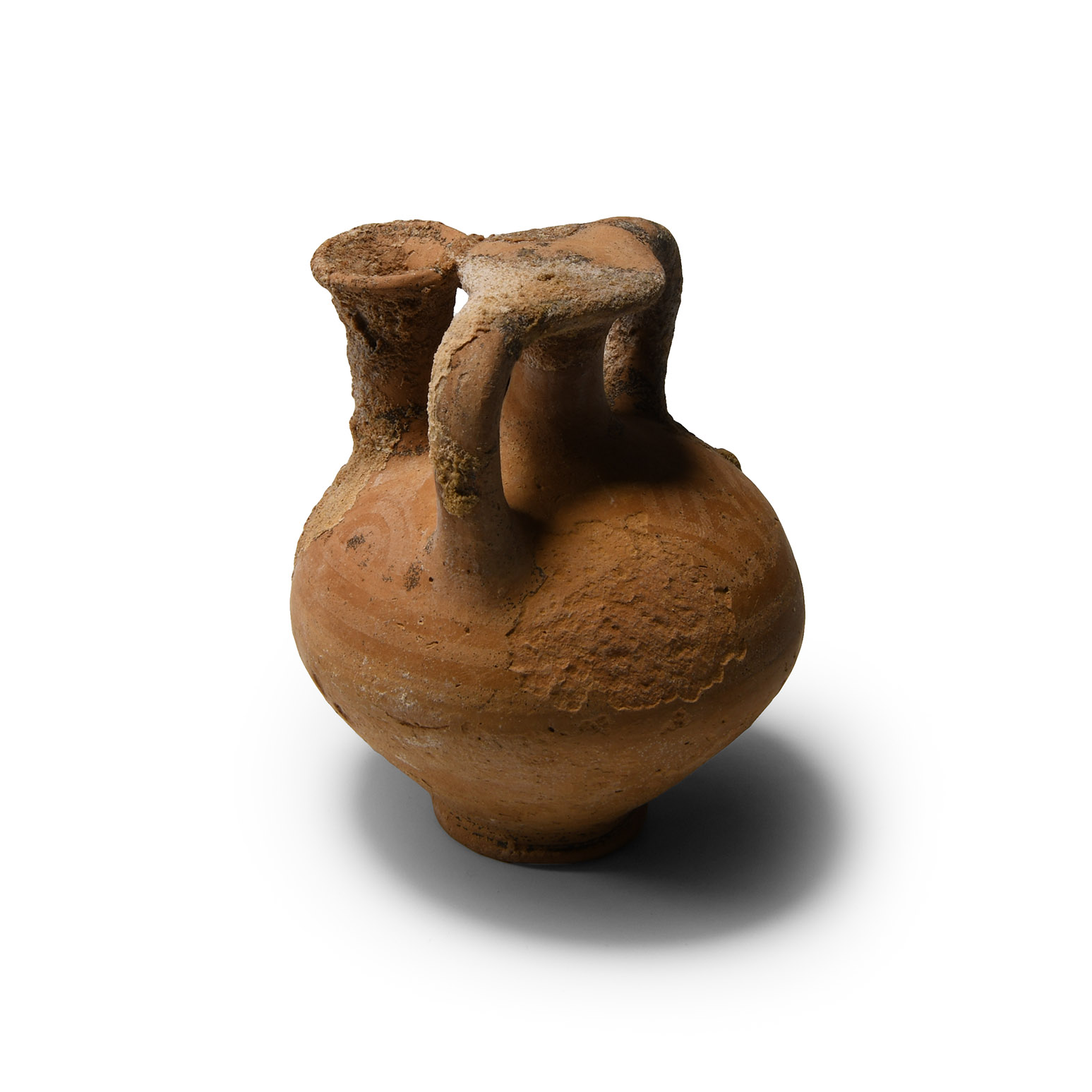
Mycenaean Terracotta Stirrup Jar
14TH-12TH CENTURY B.C.
3 1/8 in. (106 grams, 79 mm high).
Carinated with slender cylindrical spout, stirrup-type handle and narrow foot; trace remains of painted geometric decoration.
ProvenanceAcquired in Europe before 1994.
CONDITIONTimeLine Auctions follows a vetting process to ensure the authenticity and legality of all items, reinforcing our commitment to integrity and responsible trading. Each antiquity, antique, and coin lot undergoes thorough examination by a vetting committee of at least ten external specialists, professional trade association members, scientists, and archaeologists: Our Vetting Process
AUCTIONS:
TimeLine is a leading auction house specialising in antiquities, ancient art, collectables, natural history, coins, medals, and books. Our auctions offer museums, collectors, historians, and enthusiasts the opportunity to acquire unique and historically significant pieces.
-
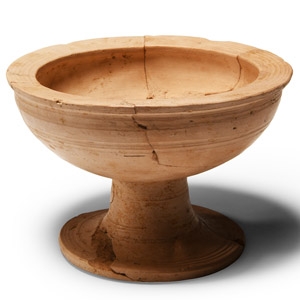
Greek Terracotta Chalice with Linear Decoration
Circa 4th century B.C.Sold for (Inc. bp): £208
The hemispherical bowl with broad rim displaying concentric bands, slender stem terminating in a discoid foot; repaired. 103 grams, 91 mm wide
Private UK collection formed 1990s-2000s. Property of an East Sussex, UK, teacher. -
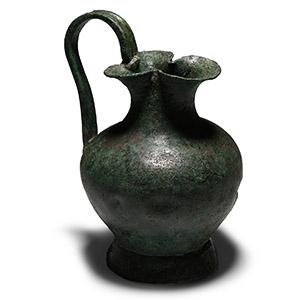
Greek Bronze Oinochoe
3rd-2nd century B.C.Sold for (Inc. bp): £468
With piriform body, strap handle, trefoil mouth with broad pouring lip. 747 grams, 20 cm high
Ex old English collection. London art market, 1980s. -
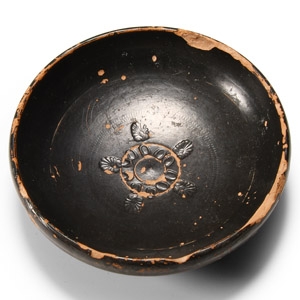
Greek Black-Ware Dish with Shell Decoration
Circa 5th-4th century B.C.Sold for (Inc. bp): £169
Composed of a shallow bowl with D-section wall, broad convex stem and foot; interior stamped with seashell and geometric motifs. 118 grams, 10.7 cm wide
Private UK collection formed 1990s-2000s. Property of an East Sussex, UK, teacher.
