
Loading, please wait...


LOT 1370
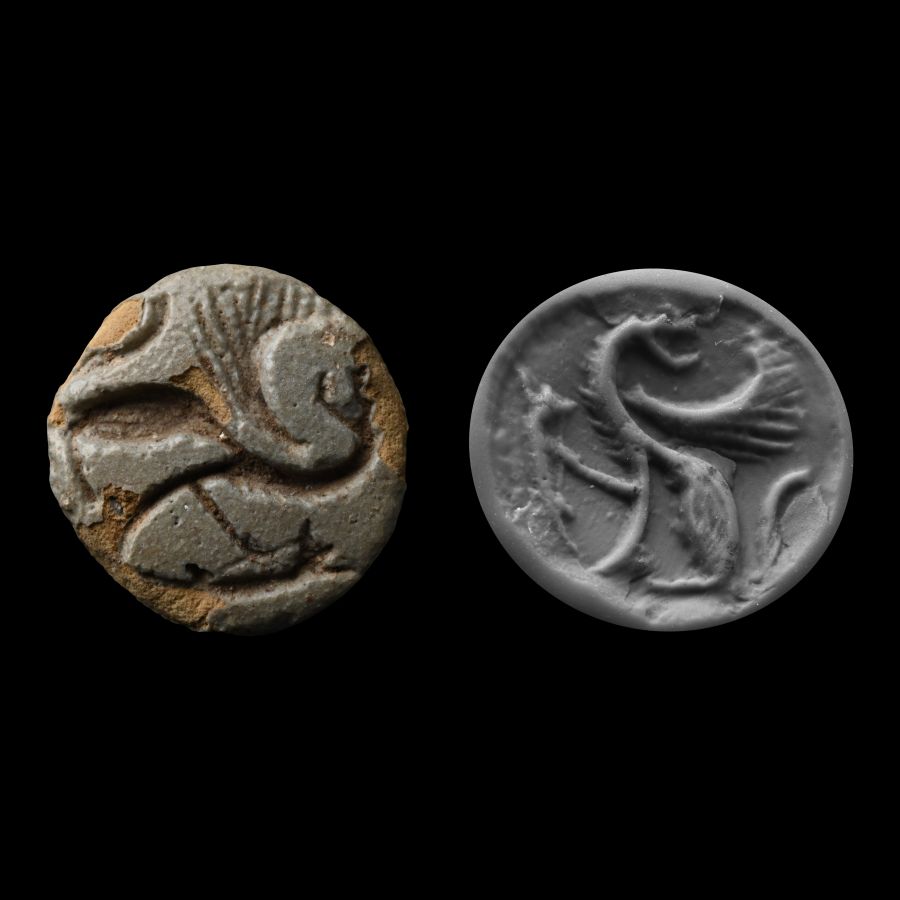
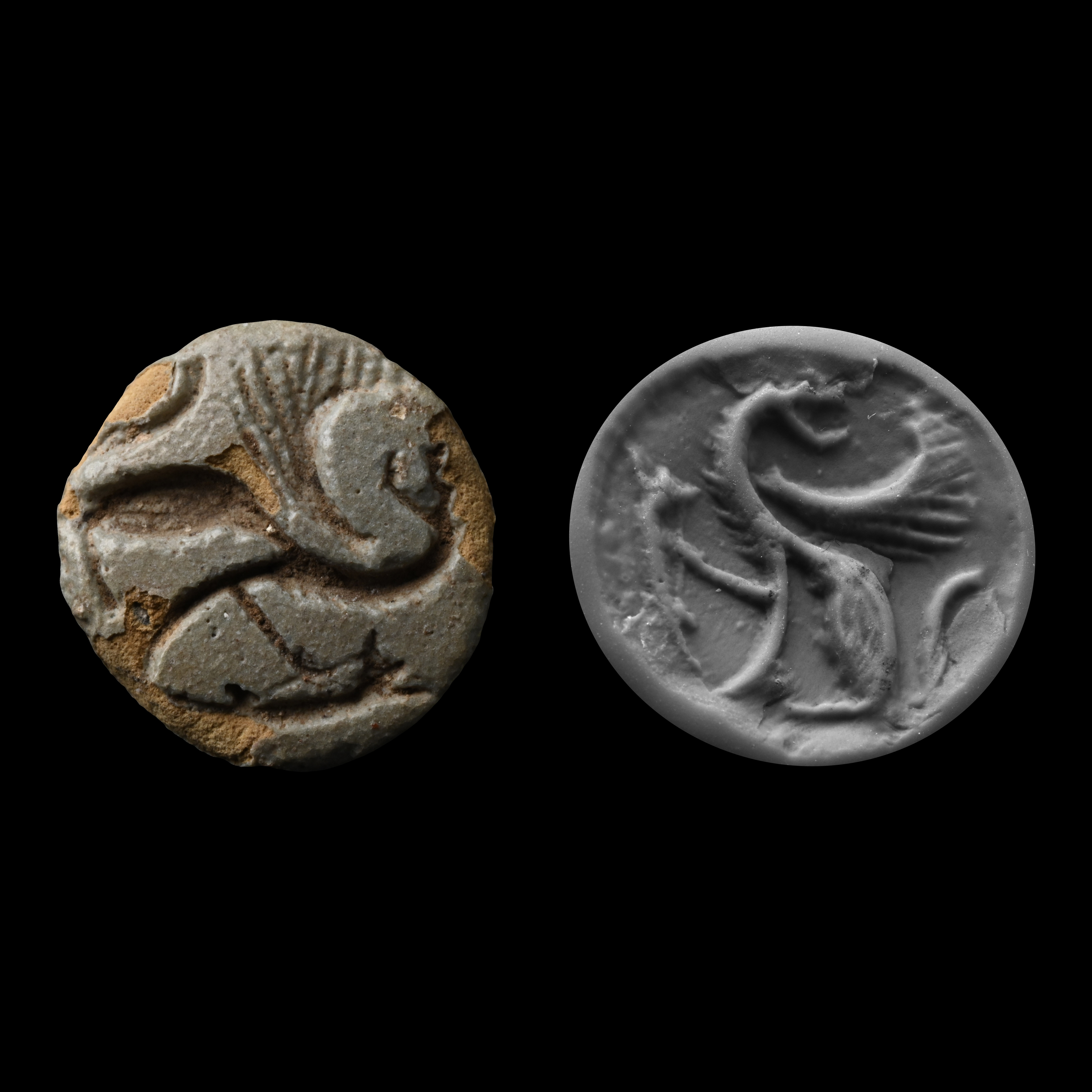
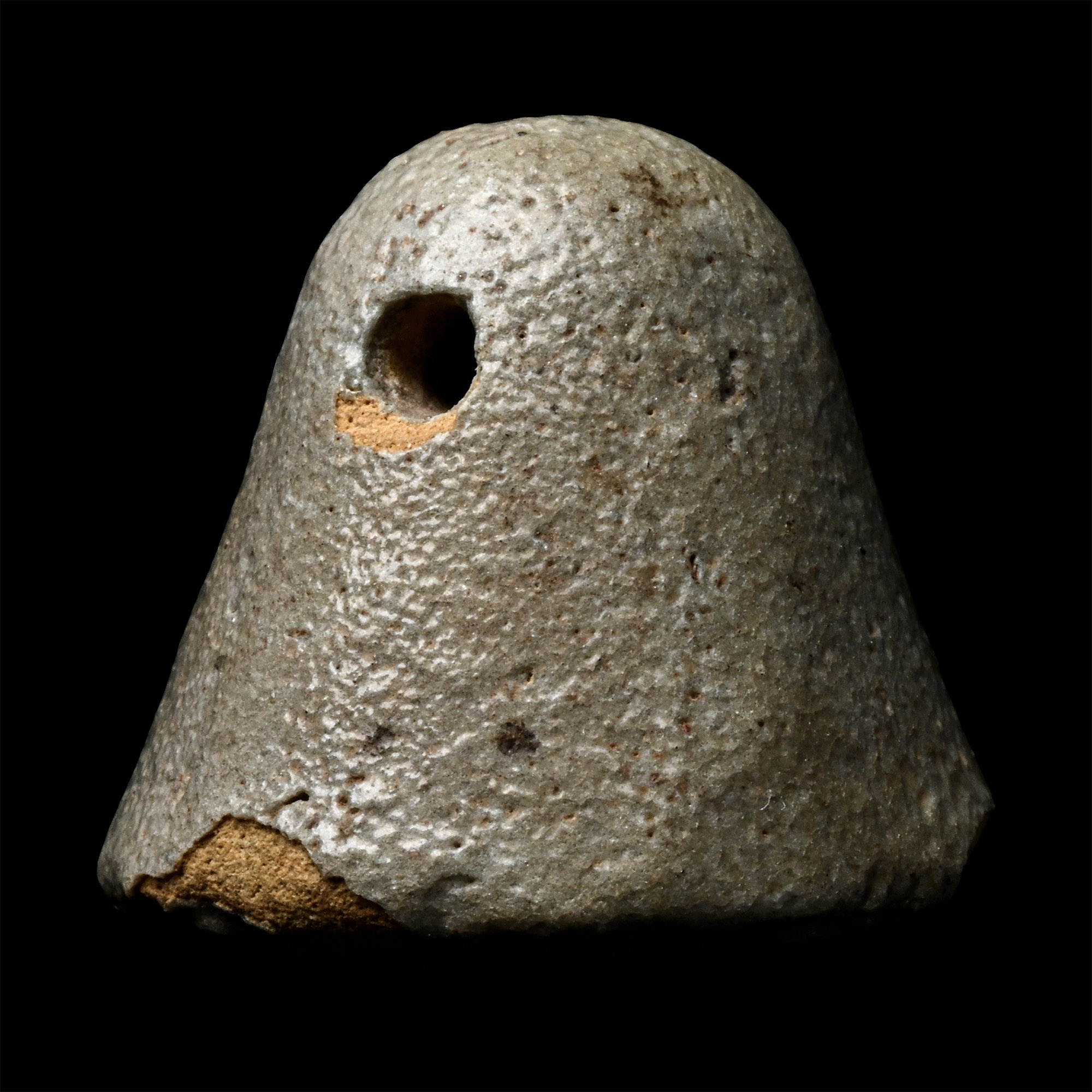
Mycenaean Glazed Terracotta Conical Shaped Stamp Seal with Animal
CIRCA 1ST MILLENNIUM B.C.
3/4 in. (4.55 grams, 20 mm wide).
Conical body pierced through the top, the underside with an incuse seated beast with open wings facing back; accompanied by a museum-quality impression.
ProvenanceUK private collection before 2000.
London collection, acquired on the UK art market.
TimeLine Auctions follows a vetting process to ensure the authenticity and legality of all items, reinforcing our commitment to integrity and responsible trading. Each antiquity, antique, and coin lot undergoes thorough examination by a vetting committee of at least ten external specialists, professional trade association members, scientists, and archaeologists: Our Vetting Process
AUCTIONS:
TimeLine is a leading auction house specialising in antiquities, ancient art, collectables, natural history, coins, medals, and books. Our auctions offer museums, collectors, historians, and enthusiasts the opportunity to acquire unique and historically significant pieces.
LOT 1370
Mycenaean Glazed Terracotta Conical Shaped Stamp Seal with Animal
Sold for (Inc. bp): £299
-
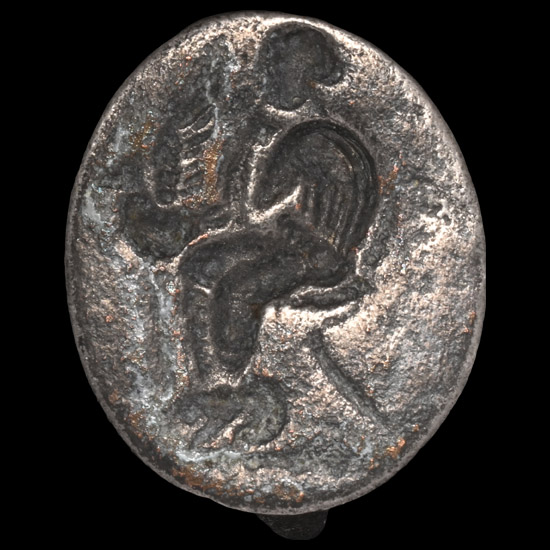
Greek Silver Ring with Seated Goddess Holding a Dove
Hellenistic, 4th-2nd century B.C.Sold for (Inc. bp): £260
Featuring a round-section hoop and a large oval bezel with a seated goddess holding a dove with open wings. 6.35 grams, 23.20 mm overall, 19.55 x 12.60 mm internal diameter (approximate size British I, USA 4 1/4, Europe 7.44, Japan 7)
From the private collection of a European gentleman (1942-2024), formed since the 1970s. -
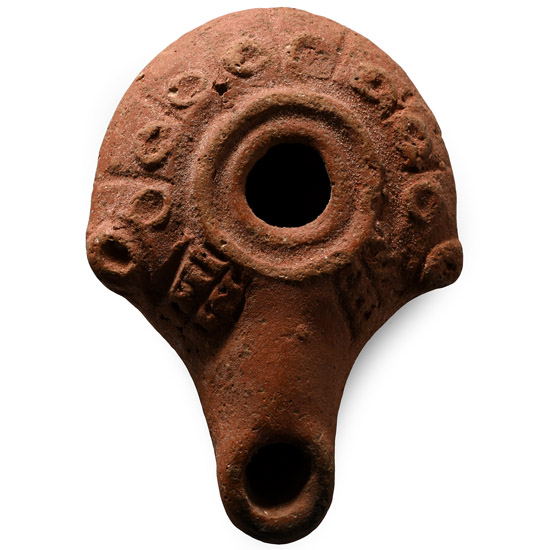
Greek Terracotta Oil Lamp with Annulets
Hellenistic, 3rd century B.C.Sold for (Inc. bp): £104
Low profile and a long nozzle, the body with annulets on the shoulder and two projecting lugs on each side of the nozzle. 49.3 grams, 81 mm
From an important collection of lamps, Germany, 1970s. -
.jpg)
'The Mildenberg' Greek Gold Bull's Head Pendant
Circa 4th century B.C.Estimate: £3,000 - 4,000 (+bp*)
Current Winning Bid: £2,000
Hollow-formed in sheet gold with finely modelled details and applied granulated wreath between its horns; attachment hole to the rear of the head. 3.05 grams, 21 mm
Christie's, London, 'A Peaceable Kingdom: The Leo Mildenberg Collection', 27 October 2004, no.102. This lot has been checked against the Interpol Database of stolen works of art and is accompanied by search certificate number no.13359- 259201.
In many Greek sanctuaries, large numbers of bull figures of different sizes have been found, which must be regarded as representatives of actual sacrificial offerings. Many of them come from the venerable Sanctuary of Zeus at Dodona, with whom the bull has a special relationship.
