
Loading, please wait...
LOT 2110
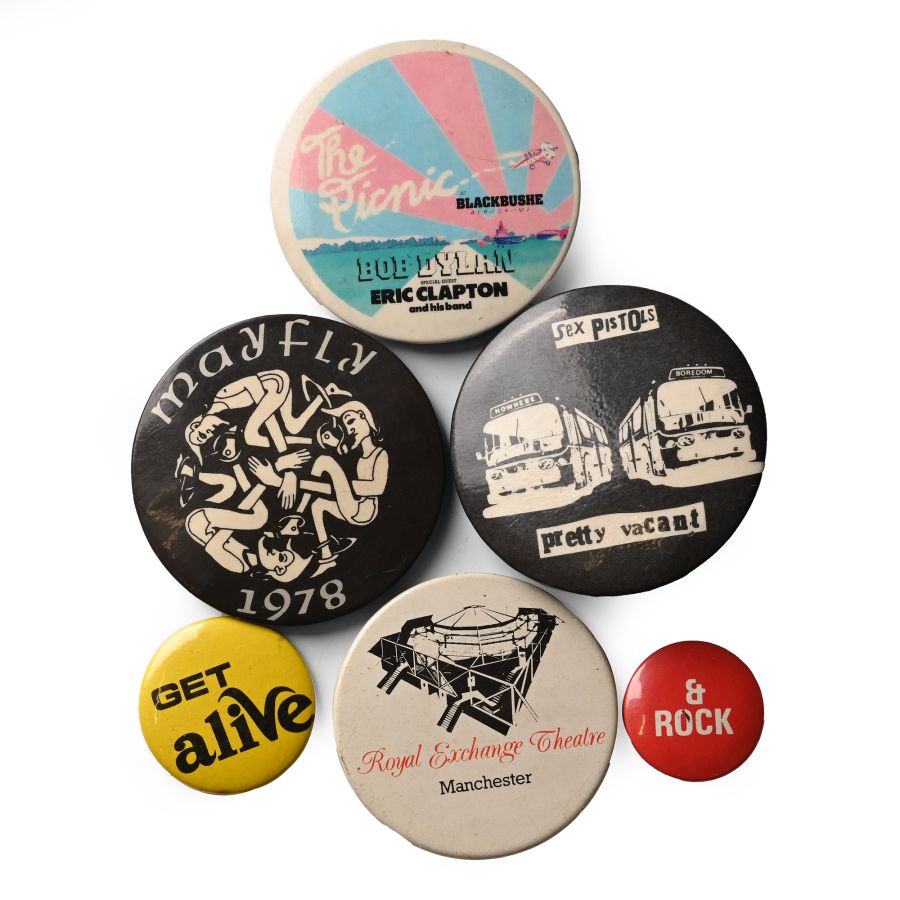
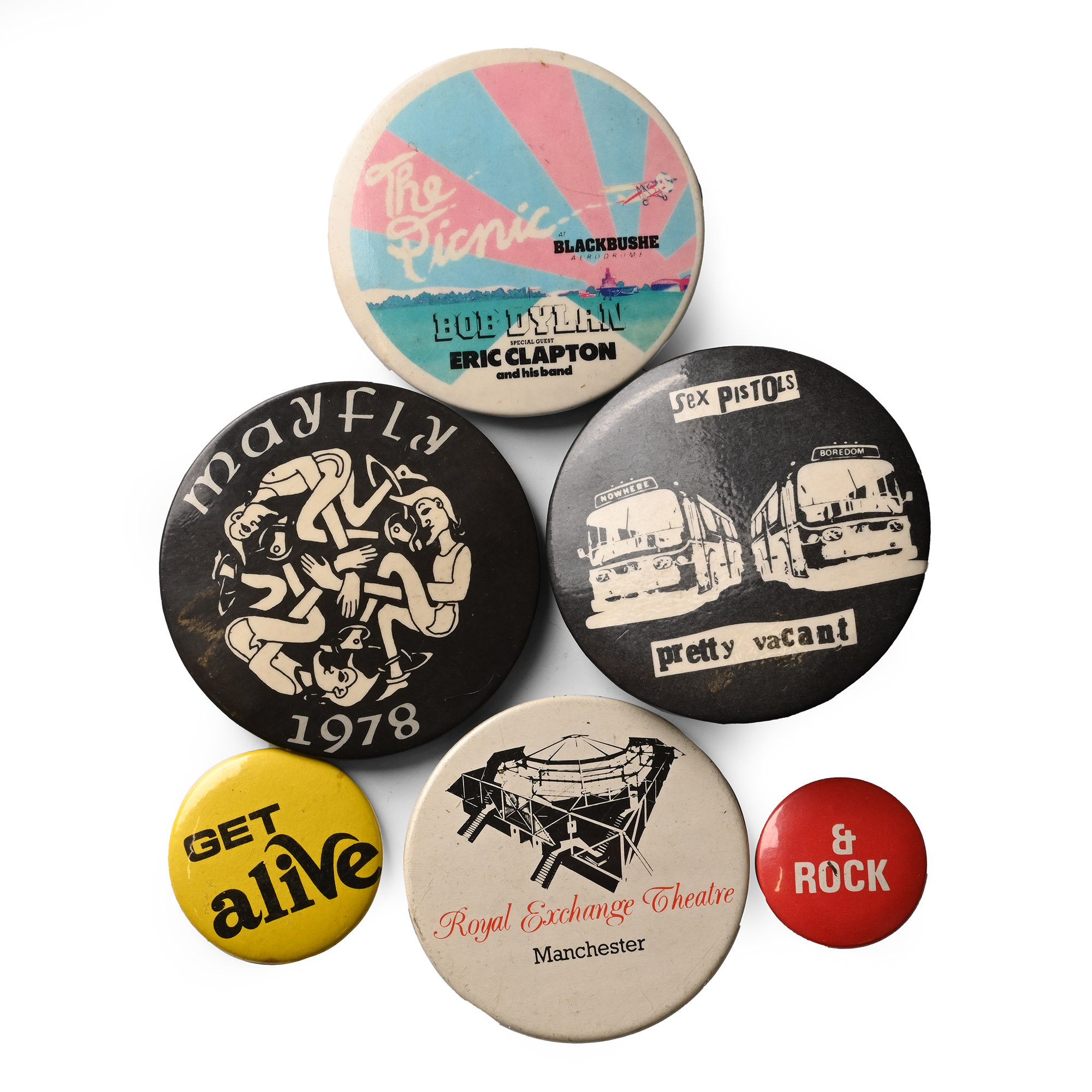
Music-Related Vintage Pin Badge Collection
CIRCA 1970S A.D. AND LATER
1 - 2 1/8 in. (40 grams total, 25-56 mm).
Including 'mayfly 1978', 'Sex Pistols Pretty Vacant' and other types. [7, No Reserve]
ProvenanceFrom the private collection of a S.W. London gentleman, acquired in the 1970s.
This lot is accompanied by an illustrated lot declaration signed by the Head of the Antiquities Department, Dr Raffaele D'Amato.
TimeLine Auctions follows a vetting process to ensure the authenticity and legality of all items, reinforcing our commitment to integrity and responsible trading. Each antiquity, antique, and coin lot undergoes thorough examination by a vetting committee of at least ten external specialists, professional trade association members, scientists, and archaeologists: Our Vetting Process
AUCTIONS:
TimeLine is a leading auction house specialising in antiquities, ancient art, collectables, natural history, coins, medals, and books. Our auctions offer museums, collectors, historians, and enthusiasts the opportunity to acquire unique and historically significant pieces.
-
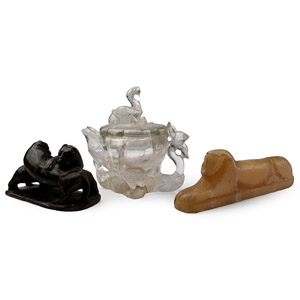
Post Medieval Rock Crystal and Stone Artefact Group
20th century A.D.Sold for (Inc. bp): £26
Including a spouted vessel with aviform lid and other items. 1.28 kg total, 10.5-17.5 cm
Acquired on the UK art market in the 1990s. From the Dr Ince collection, N.W. London, UK. This lot is accompanied by an illustrated lot declaration signed by the Head of the Antiquities Department, Dr Raffaele D'Amato. -
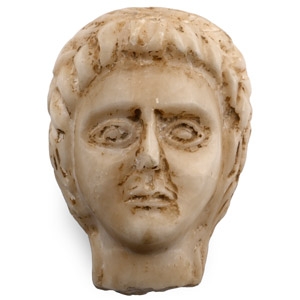
Grand Tour Marble Head of a Roman Gentleman
19th century A.D.Sold for (Inc. bp): £39
Carved in the round male head with laurel-leaf diadem to the brow; exaggerated eyes and small mouth. 360 grams, 85 mm
Acquired on the UK art market in the early 2000s. This lot is accompanied by an illustrated lot declaration signed by the Head of the Antiquities Department, Dr Raffaele D'Amato. -
.jpg)
Silver-Gilt Tiara with Diamonds
Algeria, 1860-1910 A.D.Estimate: £12,000 - 17,000 (+bp*)
Opening Bid: £6,000
Comprising five parcel-gilt panels, each a rectangle with openwork floral motif to the centre and frame with hinge knuckles, gilt crescent above, set with eleven later diamonds (one absent); two pendant trefoils below each panel, each with an inset diamond; crescent-shaped clasp at each end; mounted in a lined presentation case. 100 grams, 22.7 cm
Acquired in 2015. Private collection, London. This lot has been checked against the Interpol Database of stolen works of art and is accompanied by search certificate number no.12823-241419. This lot has been cleared against the Art Loss Register database, and is accompanied by an illustrated lot declaration signed by the Head of the Antiquities Department, Dr Raffaele D'Amato.
