
Loading, please wait...
LOT 2737
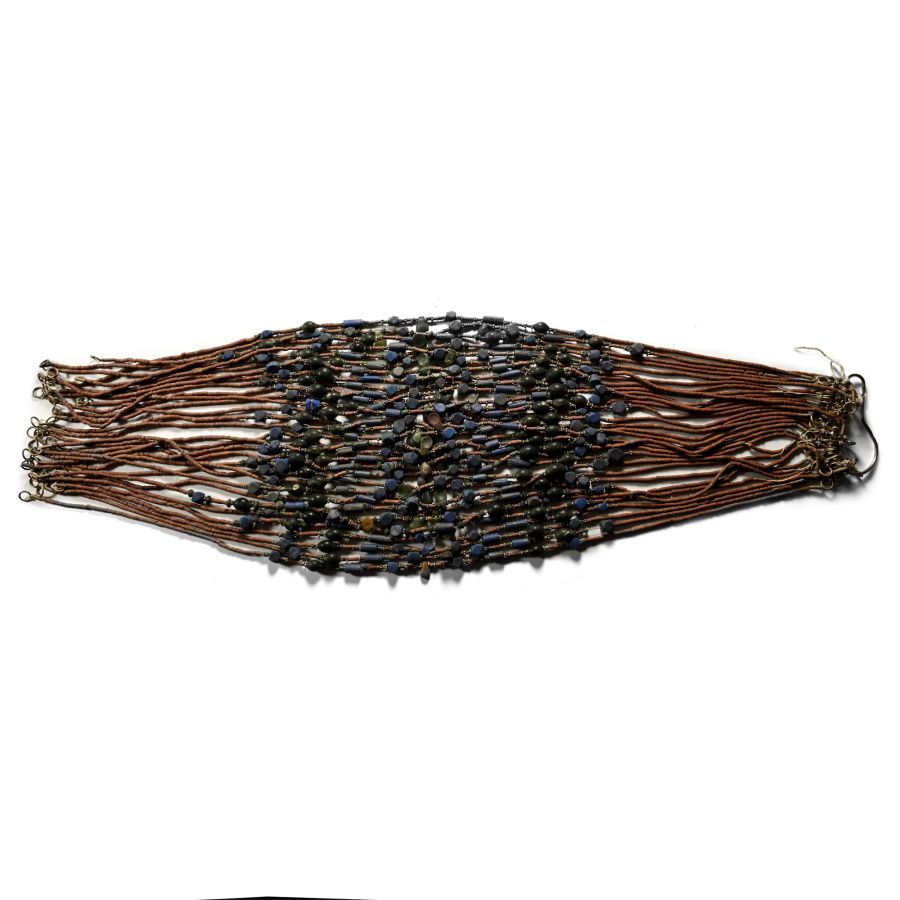
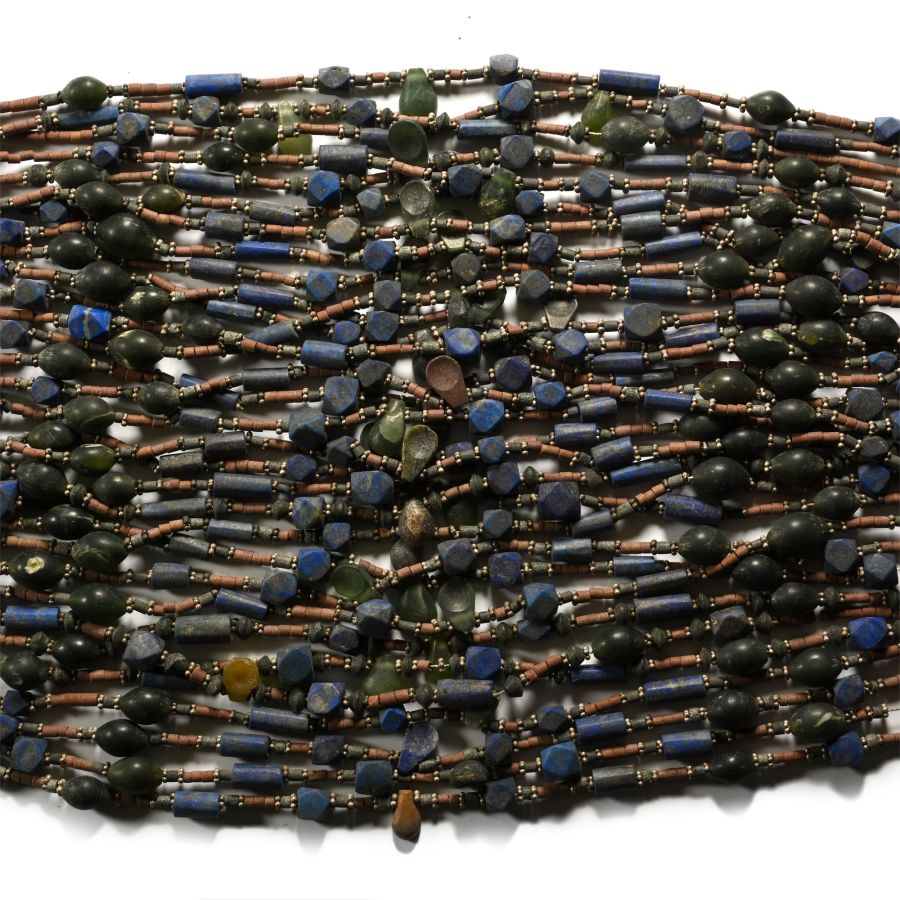
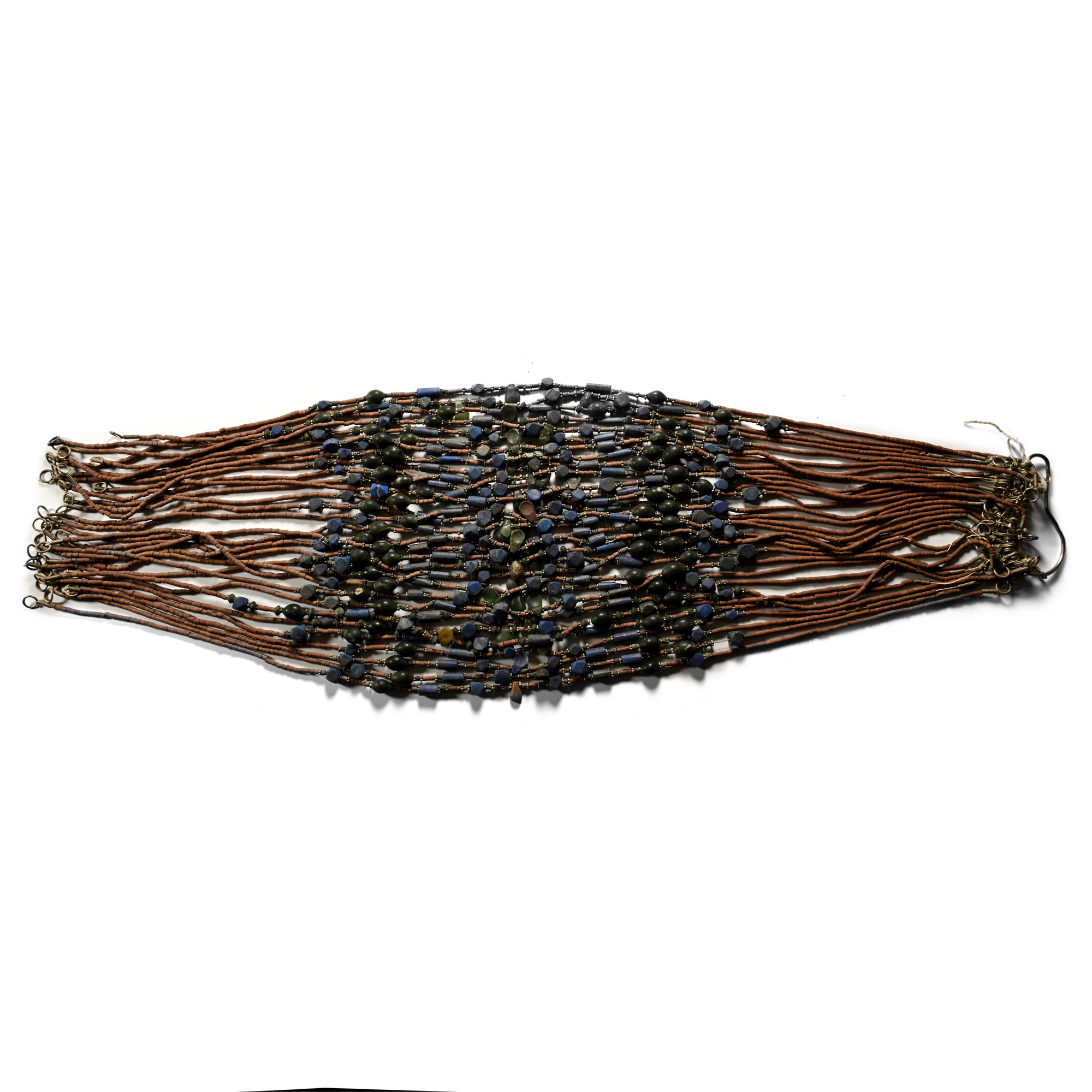
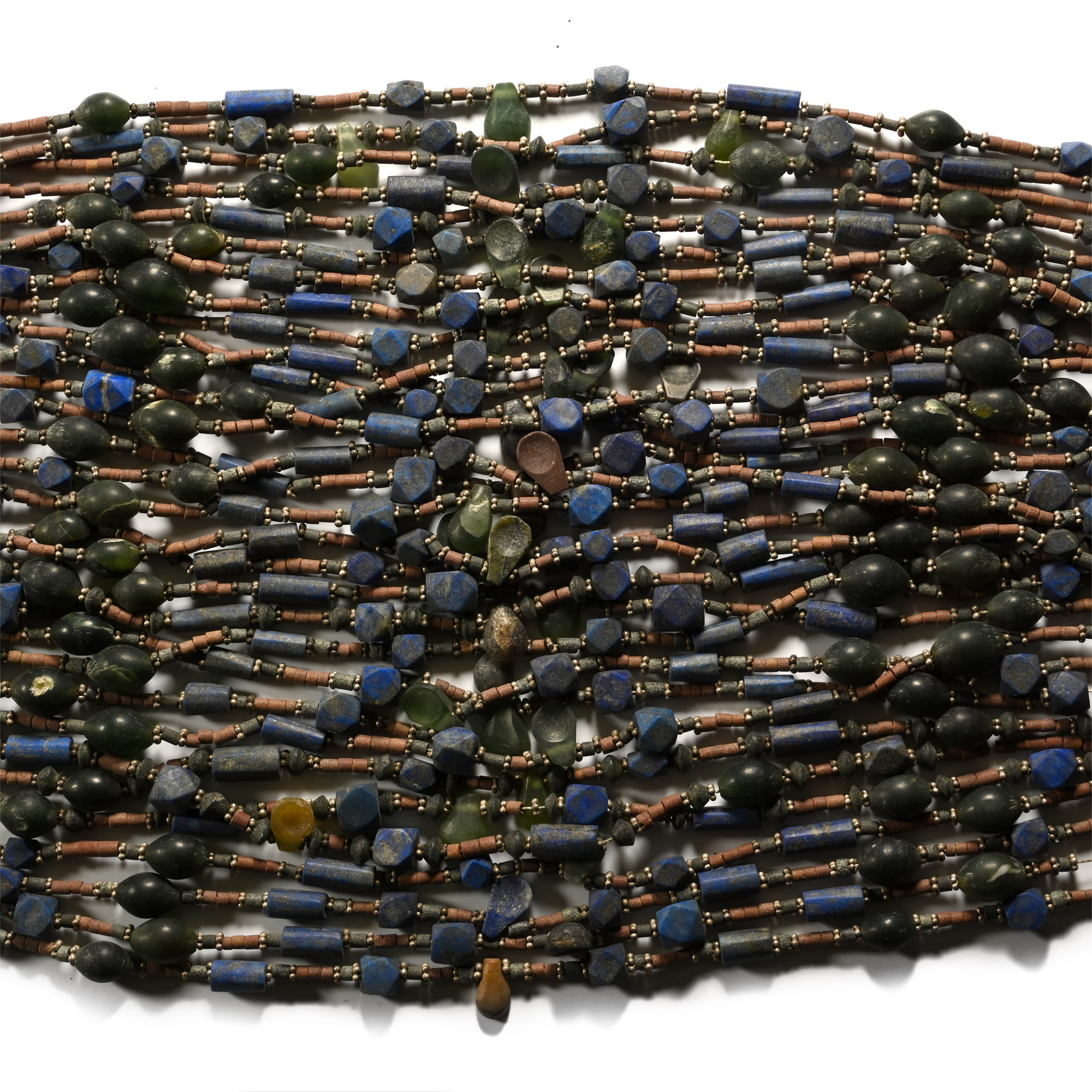
Mixed Stone Bead Necklace Group
18 1/8 in. (313 grams total, each app. 46 cm long).
Comprising thirty-one necklaces with oblate and tubular beads in lapis lazuli, serpentine, steatite and other stones. [31, No Reserve]
ProvenanceEx property of a London, UK, gentleman; acquired from his father's collection.
Property of a Californian, USA, collector.
TimeLine Auctions follows a vetting process to ensure the authenticity and legality of all items, reinforcing our commitment to integrity and responsible trading. Each antiquity, antique, and coin lot undergoes thorough examination by a vetting committee of at least ten external specialists, professional trade association members, scientists, and archaeologists: Our Vetting Process
AUCTIONS:
TimeLine is a leading auction house specialising in antiquities, ancient art, collectables, natural history, coins, medals, and books. Our auctions offer museums, collectors, historians, and enthusiasts the opportunity to acquire unique and historically significant pieces.
-

Fossil Platyostoma Gastropod on Matrix
Silurian Period, circa 430 million years B.P.Sold for (Inc. bp): £124
Platyostoma niagarensis set on an irregular matrix. 242 grams, 92 mm
Acquired Hunstanton, UK. From the private collection of Kenneth Machin (1936-2020), Buckinghamshire, UK; his collection of antiquities and natural history was formed since 1948; thence by descent. -
![Amethyst and Quartz Crystal Mineral Specimen Selection [6]](https://timelineauctions.com/upload/images/items/small/227830-s.jpg)
Amethyst and Quartz Crystal Mineral Specimen Selection [6]
Sold for (Inc. bp): £26
Comprising variously sized geode sections with amethyst and quartz crystal clusters. 1.06 kg total, 7.3-10.4 cm
From Brazil. Ex Mineral Imports, London, UK. Gregory, Bottley & Lloyd (Gregory's), Harwich, UK. -
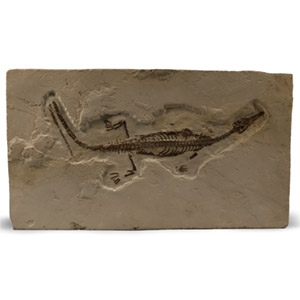
Mesosaurus Fossil Reptile Skeleton
Lower Permian Period, circa 285 million years B.P.Sold for (Inc. bp): £546
A complete preserved Mesosaurus brasiliensis skeleton in limestone. 1.11 kg total, 26.7 cm
From the Irati-Formation, Parana Delta, Brazil. From a Berkshire, UK, collection.
The mesosaurs were fast swimming predators which lived in fresh water, probably preying on small fish, insects and other aquatic invertebrates.
