
Loading, please wait...
LOT 2340
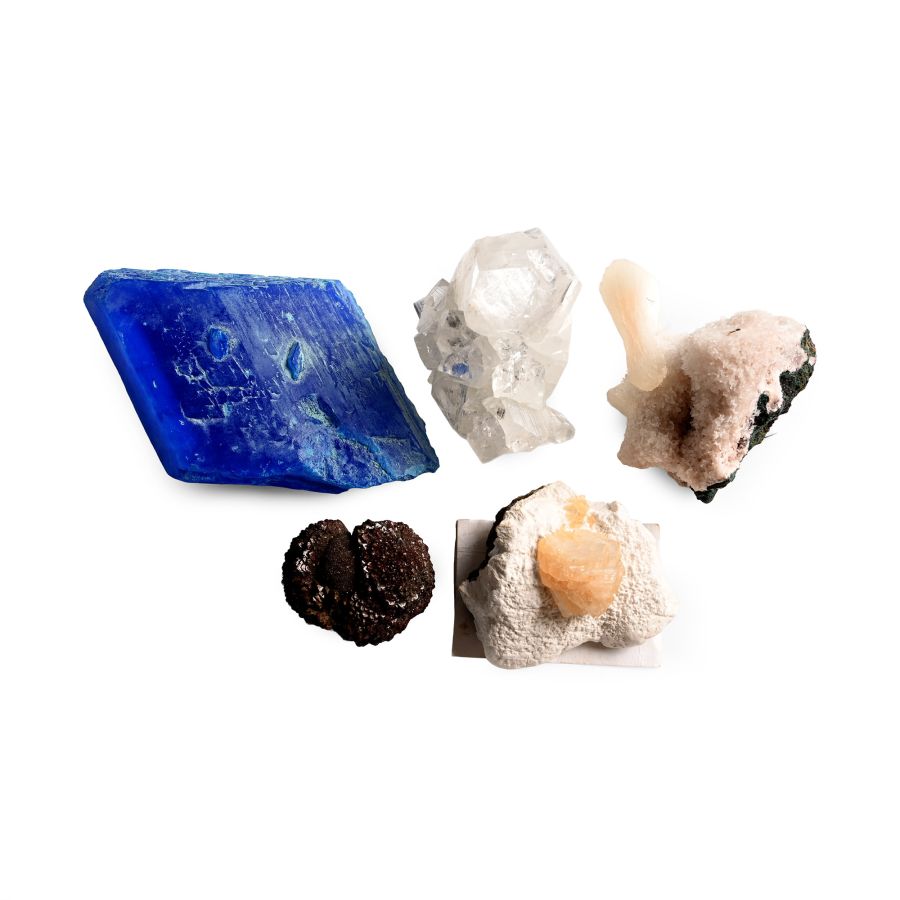
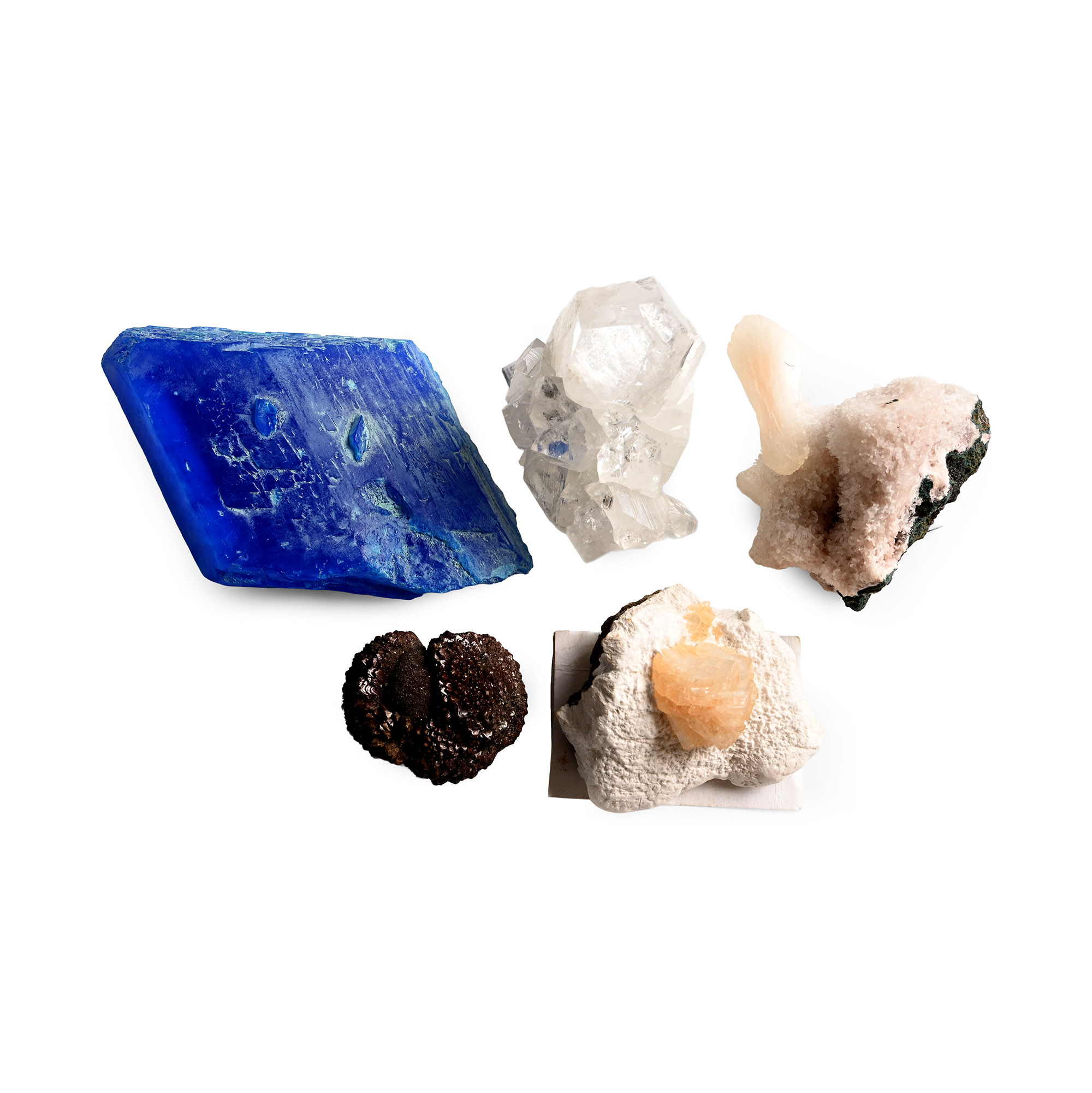
Mixed India and USA Crystal and Mineral Specimen Group
1 1/2 - 4 in. (355 grams total, 3.7-10.3 cm).
Comprising: chalcanthite from Planet Mine, La Paz County, Arizona, USA; apophylite from Pune, Maharashtra, India; stilbite from Jalgaon District, Nashik Division, Maharashtra, India; pyrite from Ottawa, Franklin County, Kansas, USA; heulandite from India. [5, No Reserve]
ProvenanceFrom the property of a Cornwall, UK, gentleman.
CONDITIONTimeLine Auctions follows a vetting process to ensure the authenticity and legality of all items, reinforcing our commitment to integrity and responsible trading. Each antiquity, antique, and coin lot undergoes thorough examination by a vetting committee of at least ten external specialists, professional trade association members, scientists, and archaeologists: Our Vetting Process
AUCTIONS:
TimeLine is a leading auction house specialising in antiquities, ancient art, collectables, natural history, coins, medals, and books. Our auctions offer museums, collectors, historians, and enthusiasts the opportunity to acquire unique and historically significant pieces.
-
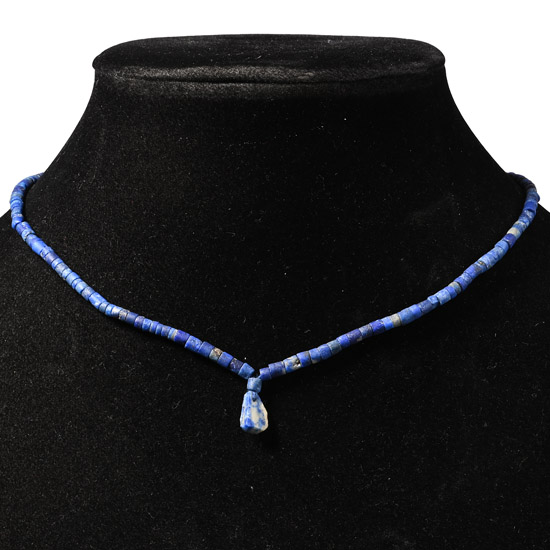
Bactrian Style Lapis Lazuli Bead Necklace String
Sold for (Inc. bp): £46
Composed of short cylindrical beads with a teardrop-shaped pendant, restrung. 7.1 grams, 32.5 cm
Acquired in the 1990s-early 2000s. Ex London, UK, collection. -
![Group of Thirty [30] Medium Size Fossilised Tree Branch Sections](https://timelineauctions.com/upload/images/items/small/256029-s.jpg)
Group of Thirty [30] Medium Size Fossilised Tree Branch Sections
Triassic Period, 251-199 million years B.P.Sold for (Inc. bp): £39
Comprising thirty branch sections in different thicknesses, each showing good bark detail. 2.15 kg total, 42-79 mm
From Madagascar. Ex Mineral Imports, London, UK. Gregory, Bottley & Lloyd (Gregory's), Harwich, UK. -
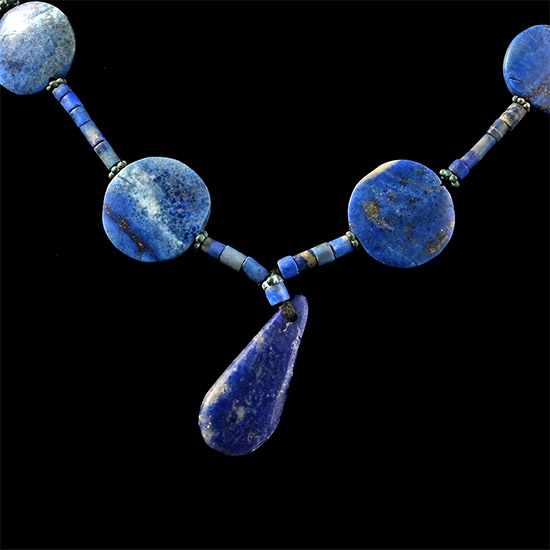
Bactrian Style Lapis Lazuli Bead Necklace String
Sold for (Inc. bp): £20
Composed of coin-shaped and tubular beads with a teardrop-shaped pendant, restrung. 30.8 grams, 33.5 cm
Acquired in the 1990s-early 2000s. Ex London, UK, collection.
