
Loading, please wait...


LOT 2510
Mixed Fossil, Crystal and Mineral Collection
1 3/4 - 5 7/8 in. (3.1 kg total including tray, 4.4-15 cm).
Comprising: hematite, kyanite, agate, fossilised wood, a geode section, calcite, fossilised vertebra, and others. [16, No Reserve]
ProvenanceFrom a Cambridgeshire, UK, collection.
CONDITIONTimeLine Auctions follows a vetting process to ensure the authenticity and legality of all items, reinforcing our commitment to integrity and responsible trading. Each antiquity, antique, and coin lot undergoes thorough examination by a vetting committee of at least ten external specialists, professional trade association members, scientists, and archaeologists: Our Vetting Process
AUCTIONS:
TimeLine is a leading auction house specialising in antiquities, ancient art, collectables, natural history, coins, medals, and books. Our auctions offer museums, collectors, historians, and enthusiasts the opportunity to acquire unique and historically significant pieces.
-
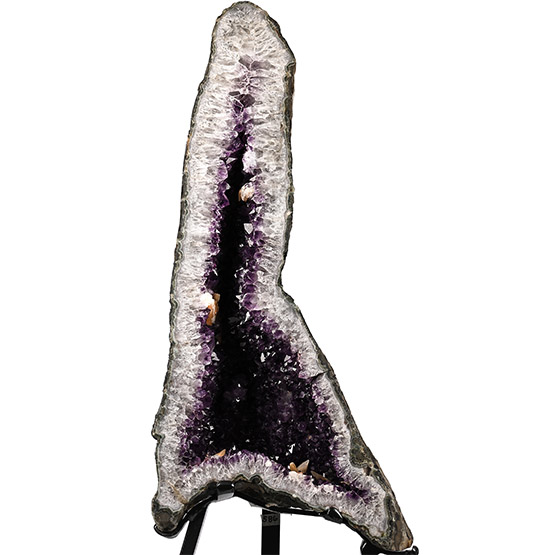
Large Deep Purple Amethyst Cathedral Display
Circa 140-120 million years B.P.Sold for (Inc. bp): £2,470
A complete half of a pyramidal geode, showing deep purple amethyst crystals with tan-coloured druzy quartz; mounted on a custom-made display stand. 38.6 kg, 84 x 38 x 17 cm, 112 cm including stand
From Artigas, Uruguay. Property of a London lady. -

Group of Twenty [20] Cut and Polished Malachite Eye Sections
Sold for (Inc. bp): £85
Comprising twenty botryoidal malachite specimens showing 'eye' motifs. 243 grams total, 18-38 mm
From the Democratic Republic of the Congo. Ex Mineral Imports, London, UK. Gregory, Bottley & Lloyd (Gregory's), Harwich, UK. -
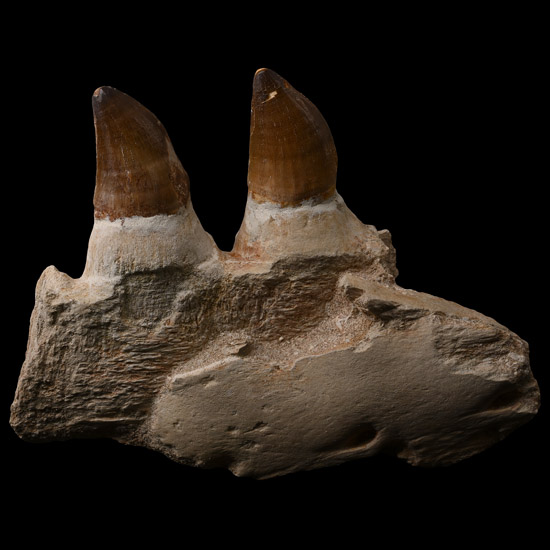
Large Fossil Mosasaur 'Marine Dinosaur' Jaw Fragment
Cretaceous Period, circa 145-65 million years B.P.Sold for (Inc. bp): £780
Large jaw fragment set with two teeth, with another two showing within the jaw. 582 grams, 16.1 cm
From a Cambridgeshire, UK, collection.
The Mosasaur is an extinct, large marine reptile dinosaur with an elongated body, long snout and paddle-like limbs. Found worldwide, they competed with other well-known sea predators of the Late Cretaceous, such as plesiosaurs and ichthyosaurs, for food, existing primarily on a diet of ammonoids, cuttlefish and fish.
