
Loading, please wait...
LOT 2478
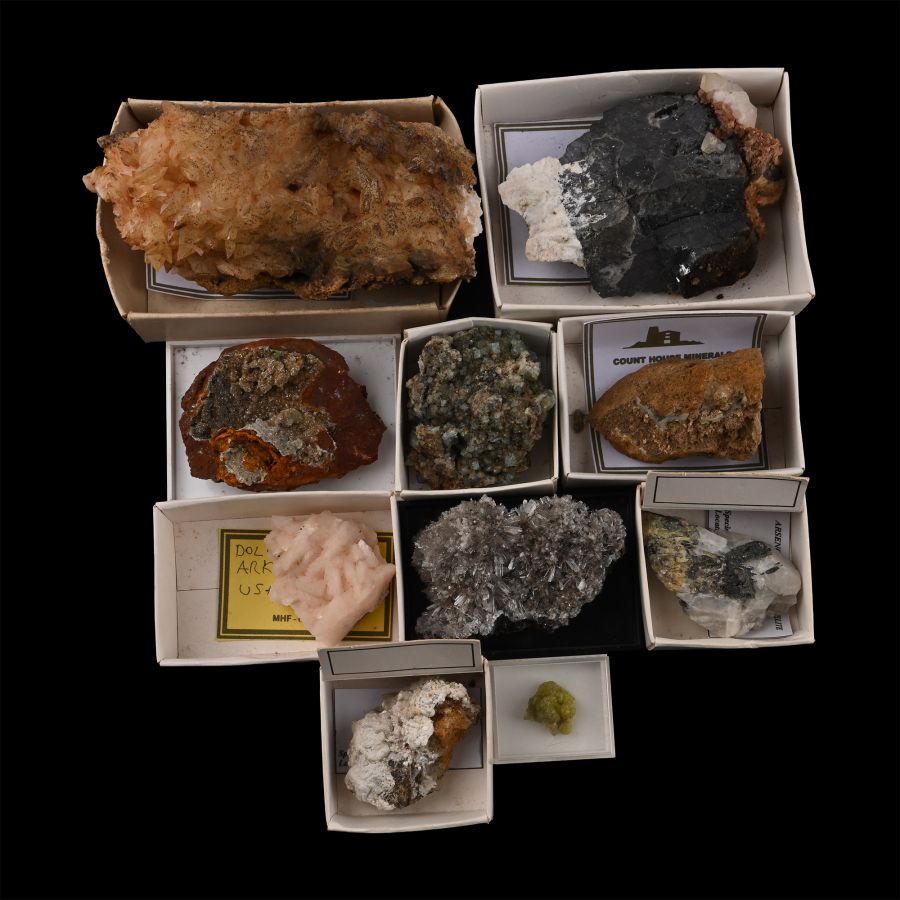
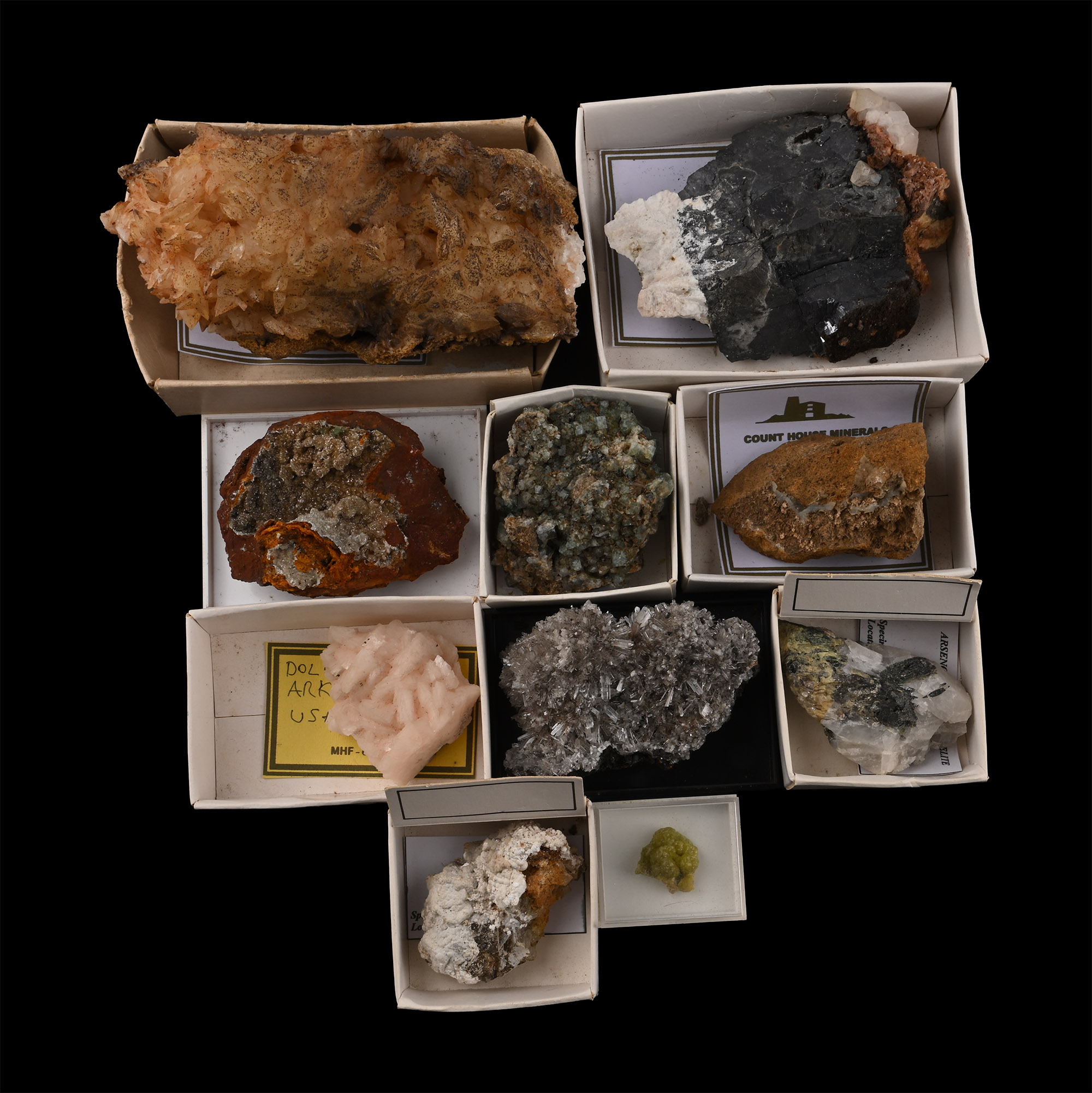
Mixed Crystal and Mineral Specimen Group
3/4 - 5 1/8 in. (1.9 kg total, 1.9-13.1 cm).
Comprising: adamite from Laurium, Attica, Greece; smithsonite from Silvertop Quarry, Hallbankgate, Cumbria; hemimorphite crystals from Santa Eulalia, Chihuahua, Mexico; dolomite from Arkansas, USA; pyromorphite from Mexico Mine, High Caldbeck Fells, Cumbria; aragonite from Wapping Mine, Matlock Bath, Derbyshire; fluorite and galena from Diana Maria Mine, Forsterly, Weardale, Co Durham; arsenopyrite and scheelite from carrock Mine, Caldbeck Fell, Cumbria; orange calcite from Cloud Hill QUarry, Northington, Leicestershire; galena, ankerite, barite calcite and sulphur from West High Cross Vein, Brownley, Nenthead, Cumbria. [10, No Reserve]
ProvenanceFrom the private collection of a Cornish, UK, gentleman.
CONDITIONTimeLine Auctions follows a vetting process to ensure the authenticity and legality of all items, reinforcing our commitment to integrity and responsible trading. Each antiquity, antique, and coin lot undergoes thorough examination by a vetting committee of at least ten external specialists, professional trade association members, scientists, and archaeologists: Our Vetting Process
AUCTIONS:
TimeLine is a leading auction house specialising in antiquities, ancient art, collectables, natural history, coins, medals, and books. Our auctions offer museums, collectors, historians, and enthusiasts the opportunity to acquire unique and historically significant pieces.
-
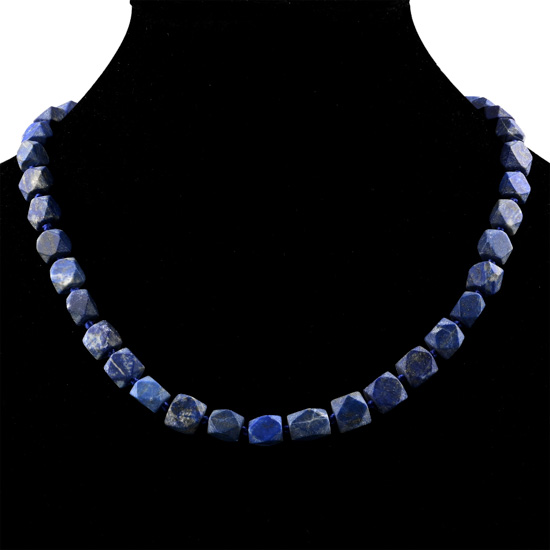
Bactrian Style Lapis Lazuli and Other Bead Necklace String
20th century A.D.Sold for (Inc. bp): £52
Composed of cornerless cube-shaped beads, restrung. 64 grams, 49 cm long
From London, UK, gallery collection, 1990s. -
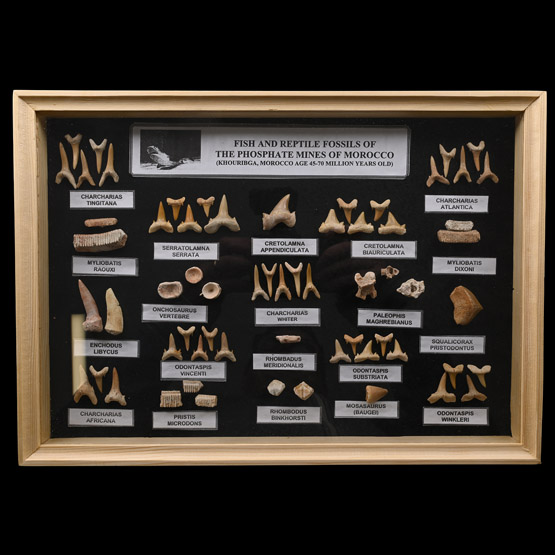
Fossil Shark Tooth Display Case
Cretaceous-Eocene Period, circa 70-45 million years B.P.Sold for (Inc. bp): £85
A glazed display case with mounted specimens of various teeth, vertebrae and ray palates, with identifying labels. 949 grams total, 34.5 x 24.5 cm
From a Cambridgeshire, UK, collection. -
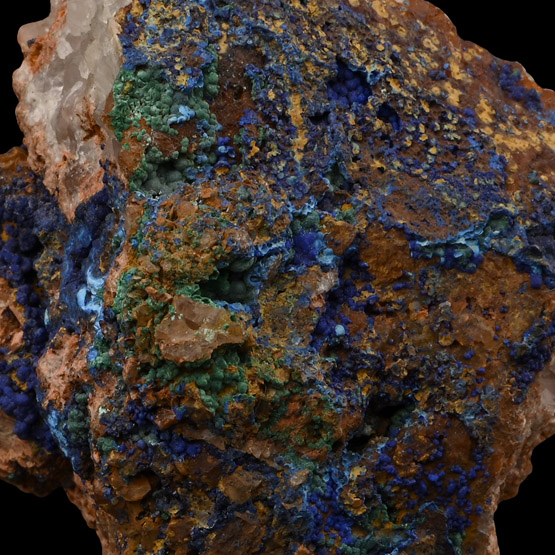
Azurite Crystal Mineral Specimen
Sold for (Inc. bp): £39
Vivid blue druzy azurite on a matrix. 182 grams, 73 mm
From Durango, Mexico. From the private collection of a Cornish, UK, gentleman.
