
Loading, please wait...


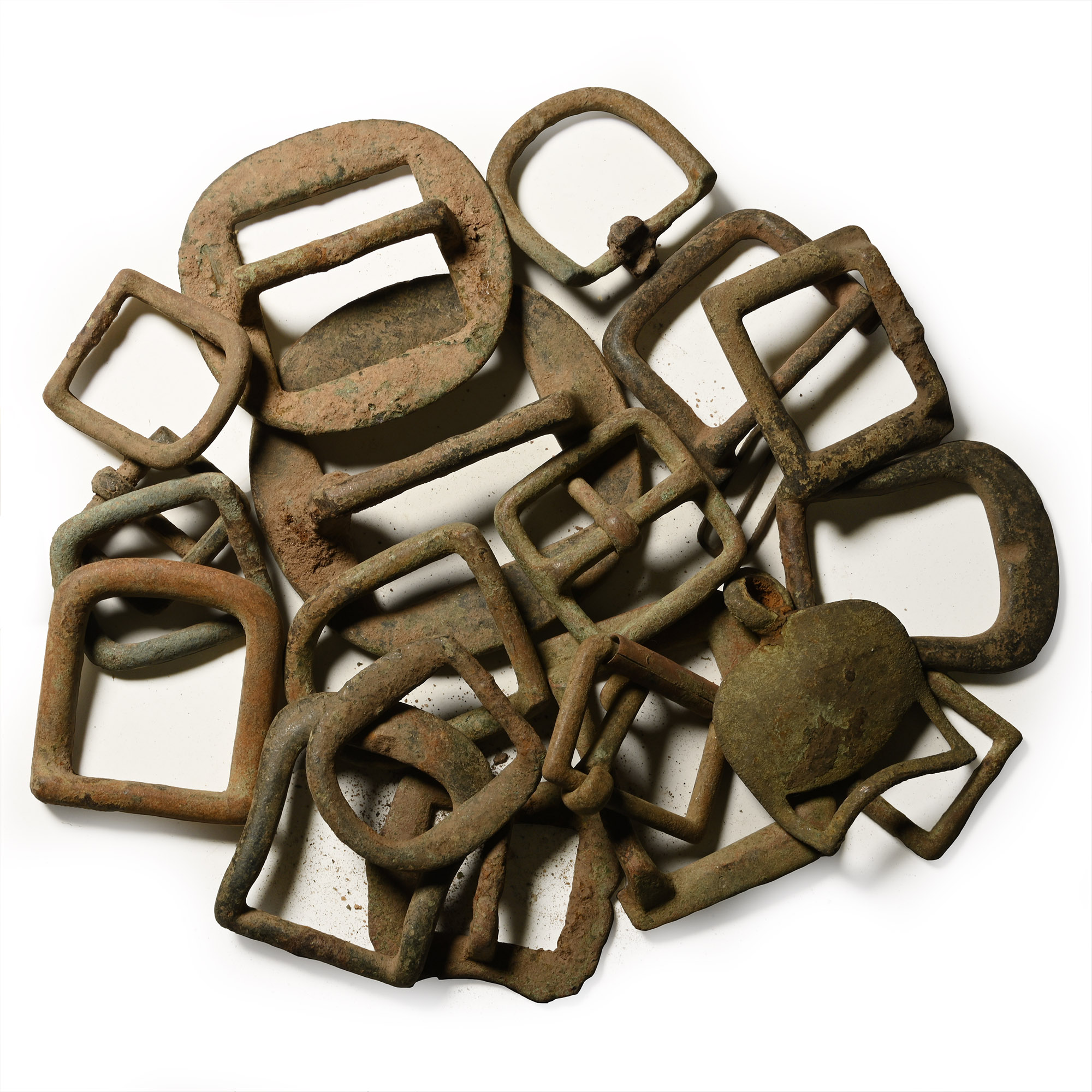
LOT 2087
Mixed Buckle Collection
18TH-20TH CENTURY A.D.
1 - 2 1/2 in. (378 grams total, 27-65 mm).
Mainly bronze double-loop types from horse-harness. [20, No Reserve]
ProvenanceFound around the Buckinghamshire, UK, area.
This lot is accompanied by an illustrated lot declaration signed by the Head of the Antiquities Department, Dr Raffaele D’Amato.
TimeLine Auctions follows a vetting process to ensure the authenticity and legality of all items, reinforcing our commitment to integrity and responsible trading. Each antiquity, antique, and coin lot undergoes thorough examination by a vetting committee of at least ten external specialists, professional trade association members, scientists, and archaeologists: Our Vetting Process
AUCTIONS:
TimeLine is a leading auction house specialising in antiquities, ancient art, collectables, natural history, coins, medals, and books. Our auctions offer museums, collectors, historians, and enthusiasts the opportunity to acquire unique and historically significant pieces.
-
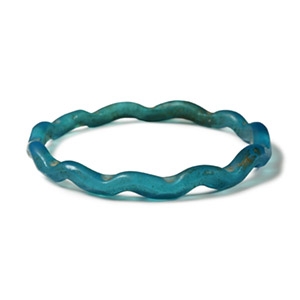
Post Medieval Wavy Blue Glass Bangle
20th century A.D.Sold for (Inc. bp): £39
The shank round in section, undulating in form with pinched facets. 6.61 grams, 56 mm
From an old English collection. Acquired from Helios Gallery in 2011. Ian Wilkinson collection, Nottinghamshire, UK, formed since 1985. This lot is accompanied by an illustrated lot declaration signed by the Head of the Antiquities Department, Dr Raffaele D’Amato. -
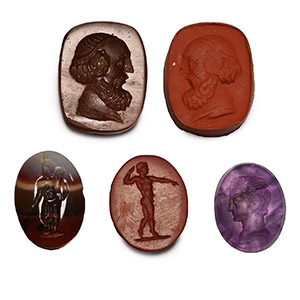
Collection of Roman Style Gemstones
19th century A.D.Sold for (Inc. bp): £91
Comprising: rectangular brown agate with profile bust, and impression from the same; ellipsoid sardonyx with intaglio Mercury standing; ellipsoid jasper with standing athlete; ellipsoid amethyst with profile bust. 5.9 grams total, 15-19 mm
From the collection of a London antiquarian, formed since the 1980s. This lot is accompanied by an illustrated lot declaration signed by the Head of the Antiquities Department, Dr Raffaele D’Amato. -
3.2 Carat Diamond Solitaire White Gold Ring
20th century A.D.Sold for (Inc. bp): £5,200
A brilliant cut diamond set in an 18 carat white gold claw setting, slender D-shaped hoop; the diamond chipped. 3.65 grams, 24.68 mm overall, 15.44 mm internal diameter (approximate size British J, USA 4 3/4, Europe 8.69, Japan 8)
Acquired on the UK art market. Ex property of a County Durham collector. This lot has been checked against the Interpol Database of stolen works of art and is accompanied by search certificate no.12489-230248. This lot has been cleared against the Art Loss Register database, and is accompanied by an illustrated lot declaration signed by the Head of the Antiquities Department, Dr Raffaele D’Amato.
