
Loading, please wait...
LOT 1772
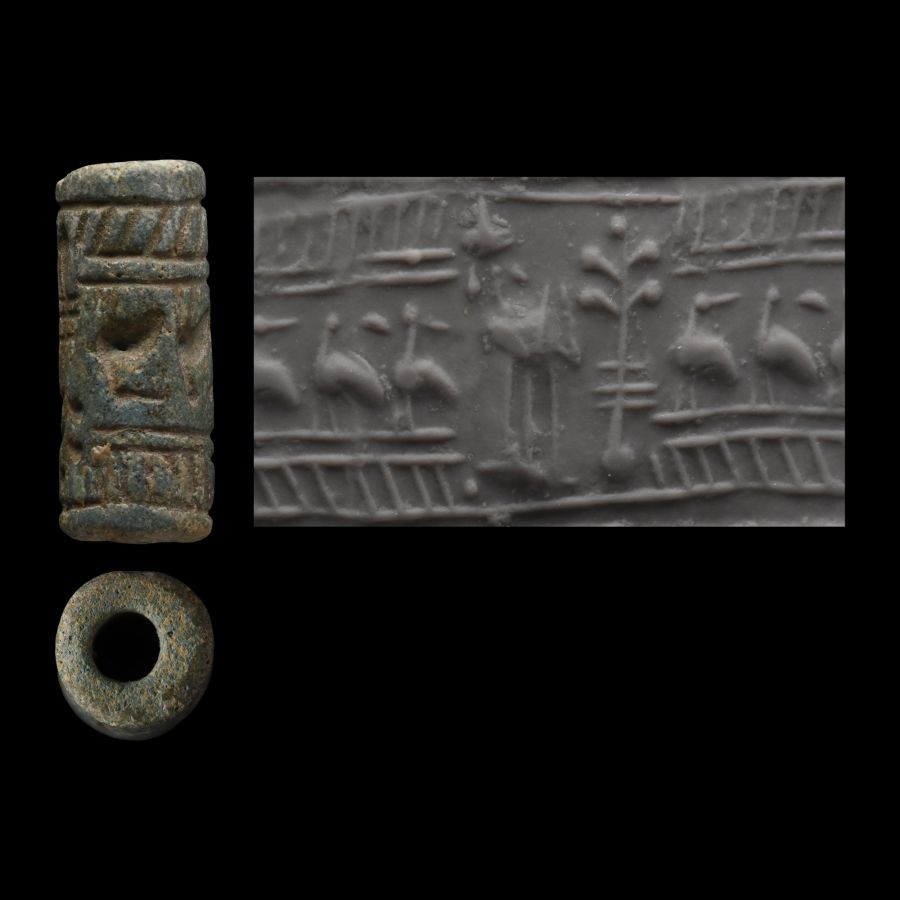
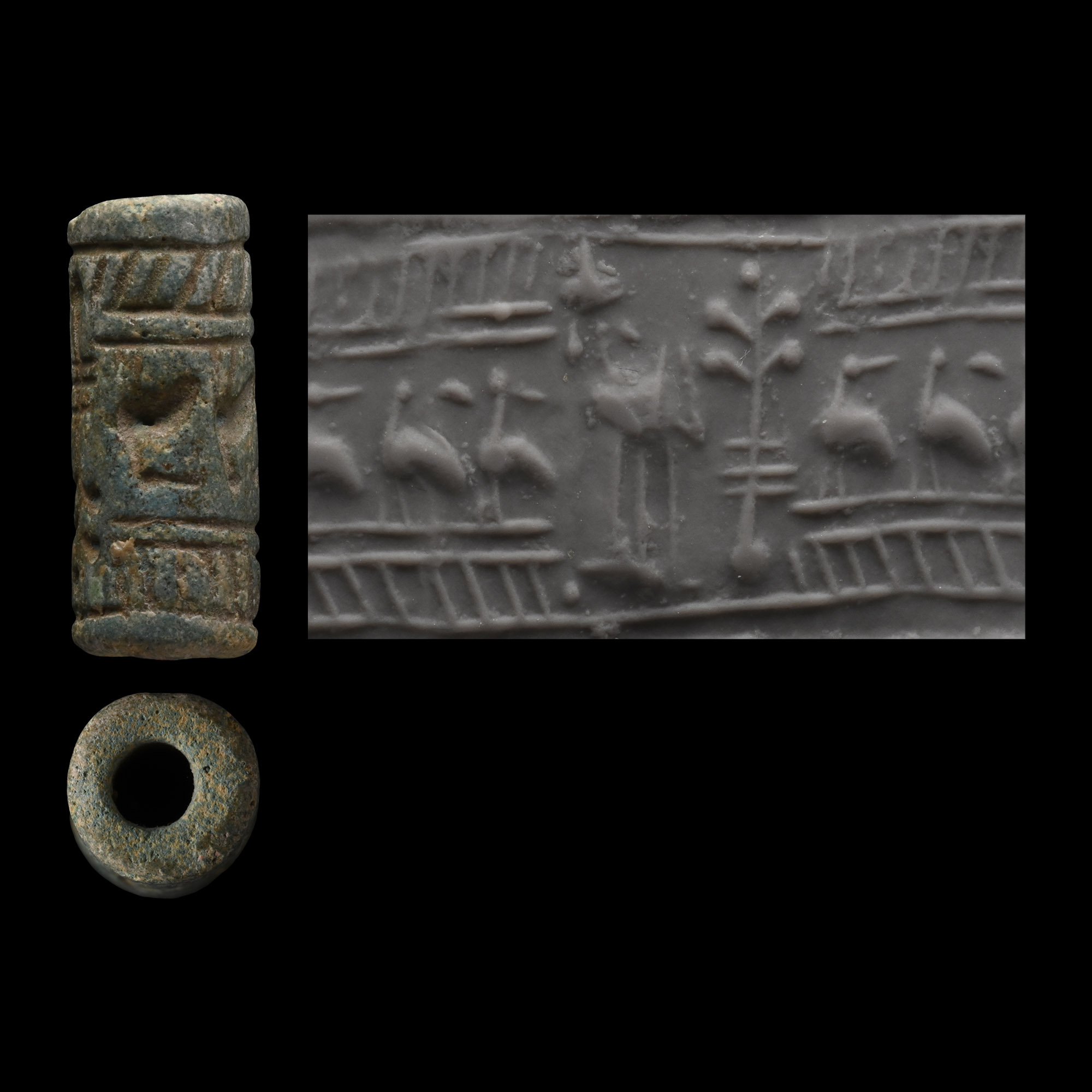
Mitanni Faience Cylinder Seal with Birds and Palm Tree
CIRCA 1400 B.C.
1 in. (1.8 grams, 23 mm).
Cylinder with hatched borders, three standing birds facing back towards a standing figure, tree behind; supplied with a museum-quality impression. [No Reserve]
ProvenanceFrom a late Warwickshire numismatic collector, his collection formed from the early 1980s.
CONDITIONTimeLine Auctions follows a vetting process to ensure the authenticity and legality of all items, reinforcing our commitment to integrity and responsible trading. Each antiquity, antique, and coin lot undergoes thorough examination by a vetting committee of at least ten external specialists, professional trade association members, scientists, and archaeologists: Our Vetting Process
AUCTIONS:
TimeLine is a leading auction house specialising in antiquities, ancient art, collectables, natural history, coins, medals, and books. Our auctions offer museums, collectors, historians, and enthusiasts the opportunity to acquire unique and historically significant pieces.
-
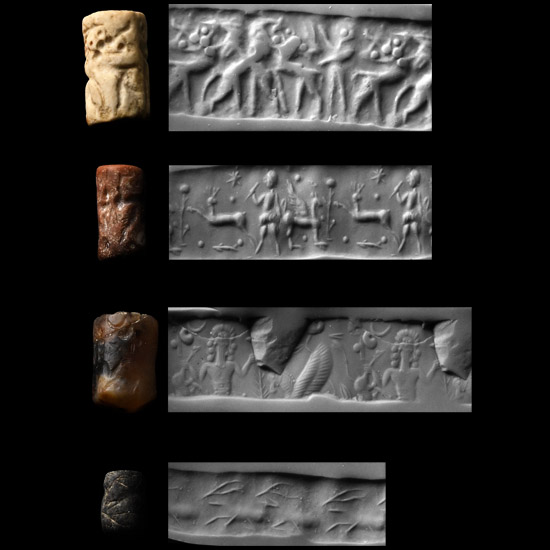
Western Asiatic Stone Cylinder Seal Group
2nd-1st millennium B.C.Sold for (Inc. bp): £338
Comprising: frieze of a standing figure with rearing animals; winged beast facing a figure with pelletted headdress holding the hind leg of an ibex; figure with a staff facing towards a fleeing ibex, gryphon to his rear; row of running ibexes; each supplied with a museum-quality impression. 12.9 grams total, 12.3-21.08 mm
From the private collection of a European gentleman (1942-2024), formed since the 1970s. -
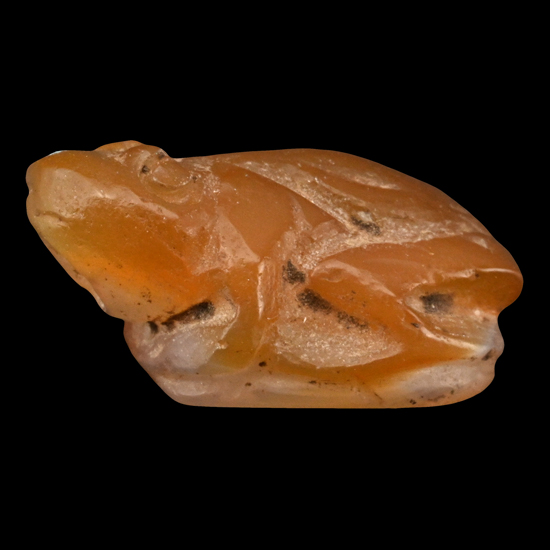
Neo-Babylonian Carnelian Frog Amulet
7th-6th century B.C.Estimate: £100 - 140 (+bp*)
Opening Bid: £50
Modelled in the round crouching on a rectangular base. 2.38 grams, 18 mm
From the collection of a gentleman, acquired on the London art market in the 1990s. -
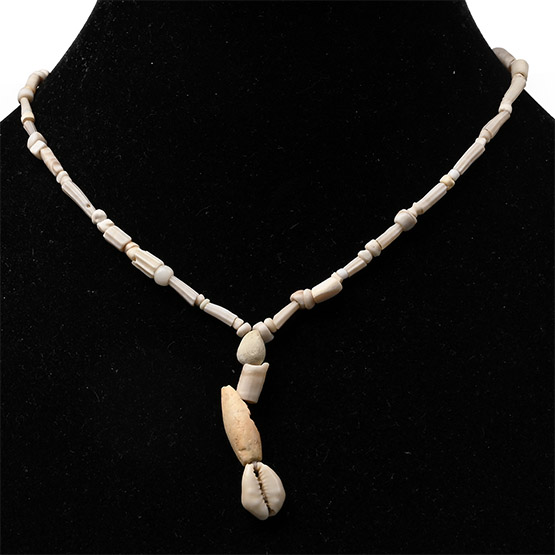
Western Asiatic White Stone Bead Necklace String
1st millennium B.C. and laterSold for (Inc. bp): £20
Composed of mixed beads, the central feature a small seashell, restrung. 8.88 grams, 31 cm
Ex London, UK, collection, 1990s.
