
Loading, please wait...

LOT 2034
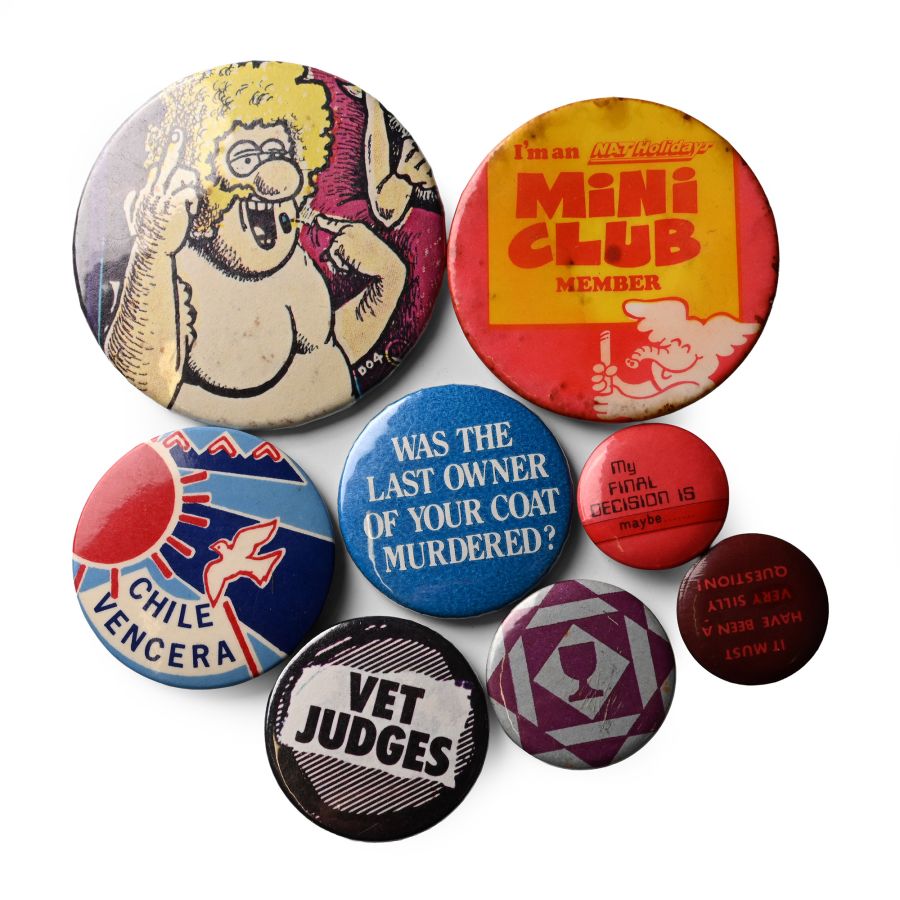
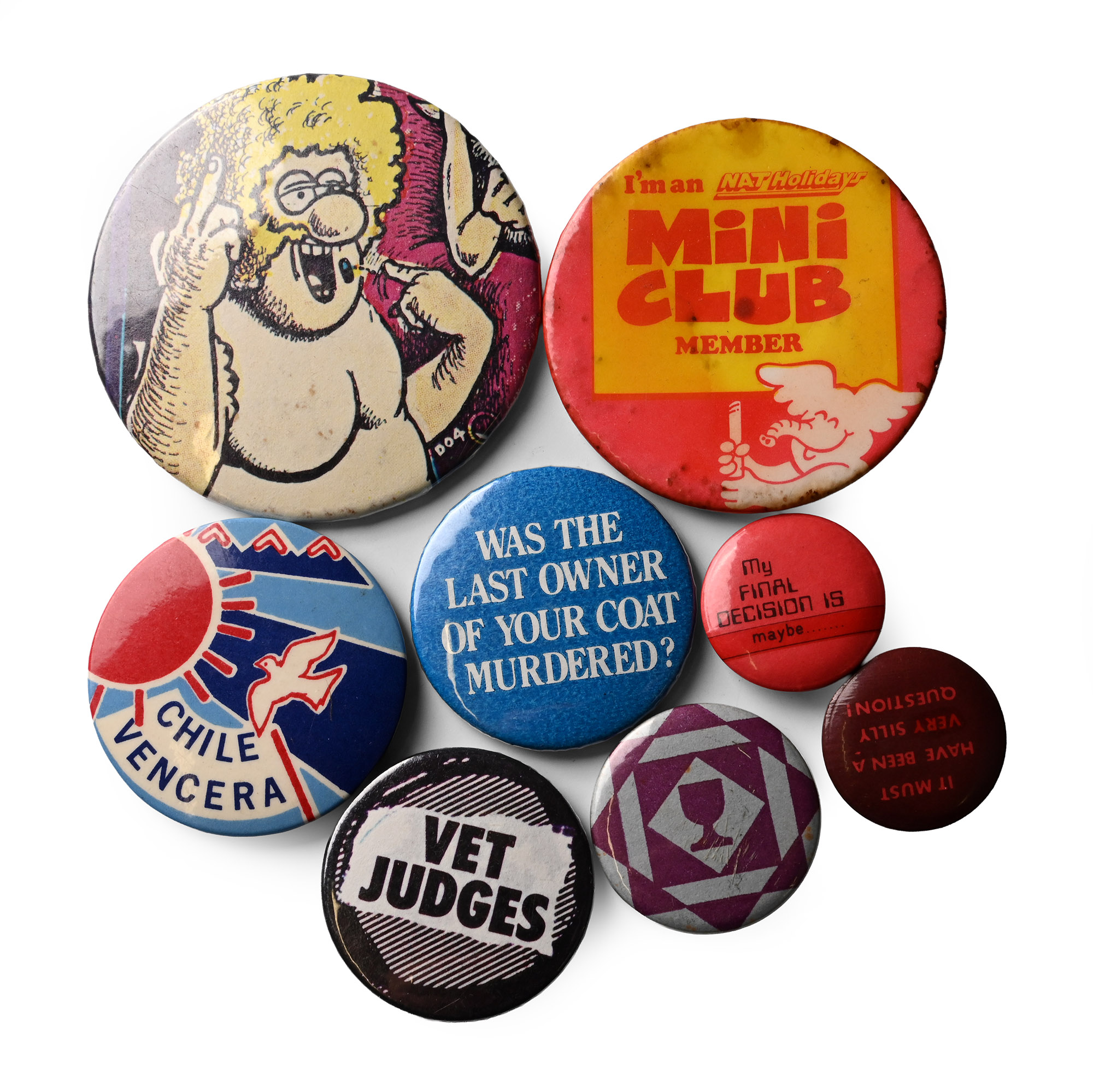
Miscellaneous Vintage Pin Badge Collection
CIRCA 1980S A.D. AND LATER
1 - 2 1/2 in. (41 grams total, 25-63 mm).
Including 'Chile Vencera', 'Was the last owner of your coat murdered?' and other types. [8, No Reserve]
ProvenanceFrom the private collection of a S.W. London gentleman, acquired in the 1970s.
This lot is accompanied by an illustrated lot declaration signed by the Head of the Antiquities Department, Dr Raffaele D'Amato.
TimeLine Auctions follows a vetting process to ensure the authenticity and legality of all items, reinforcing our commitment to integrity and responsible trading. Each antiquity, antique, and coin lot undergoes thorough examination by a vetting committee of at least ten external specialists, professional trade association members, scientists, and archaeologists: Our Vetting Process
AUCTIONS:
TimeLine is a leading auction house specialising in antiquities, ancient art, collectables, natural history, coins, medals, and books. Our auctions offer museums, collectors, historians, and enthusiasts the opportunity to acquire unique and historically significant pieces.
LOT 2034
Miscellaneous Vintage Pin Badge Collection
Estimate £30 - 40€35 - 46 (for guidance only)$41 - 54 (for guidance only)
-
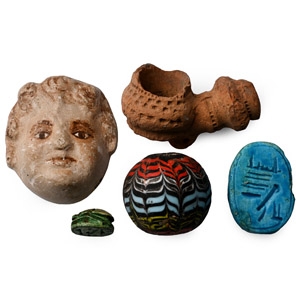
Post Medieval Artefact Collection
19th-20th century AD.Sold for (Inc. bp): £7
Including a polychrome hot-worked Javan bead, pipe bowl, scarabs and other items. 127 grams total, 17-54 mm
From the private collection of Kenneth Machin (1936-2020), Buckinghamshire, UK; his collection of antiquities and natural history was formed since 1948; thence by descent. This lot is accompanied by an illustrated lot declaration signed by the Head of the Antiquities Department, Dr Raffaele D'Amato. -
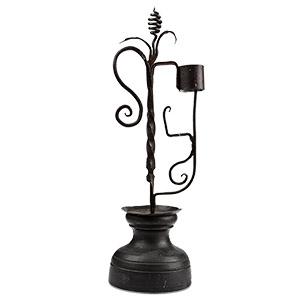
Published Iron Alpine Candle Holder
France or Switzerland, 19th century A.D.Estimate: £400 - 600 (+bp*)
Opening Bid: £200
With spring arm to secure the candle, with raised tray feature. 687 grams, 36.5 cm
From a private collection. Ex Nic McElhatton, former chairman of Christie's South Kensington. Property of a Berkshire, UK, collector. Accompanied by copies of the relevant book pages where published. This lot is accompanied by an illustrated lot declaration signed by the Head of the Antiquities Department, Dr Raffaele D'Amato. -
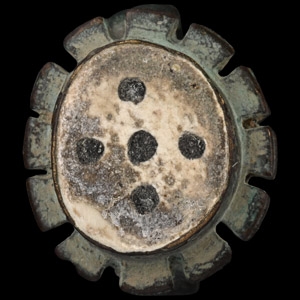
Stuart Period Bronze Ring with Pellet Cross Inlay
17th-18th century A.D.Sold for (Inc. bp): £20
With drum-shaped bezel, gusseted dentilled collar to base, five inlaid pellets in quincunx formation. 11.82 grams, 30.06 mm overall, 20.76 mm internal diameter (approximate size British U 1/2, USA 10 1/4, Europe 23.15, Japan 22)
Acquired on the London art market in the late 1980s-1990s. From the family collection of an East London, UK, gentleman. This lot is accompanied by an illustrated lot declaration signed by the Head of the Antiquities Department, Dr Raffaele D'Amato.
