
Loading, please wait...
LOT 1835
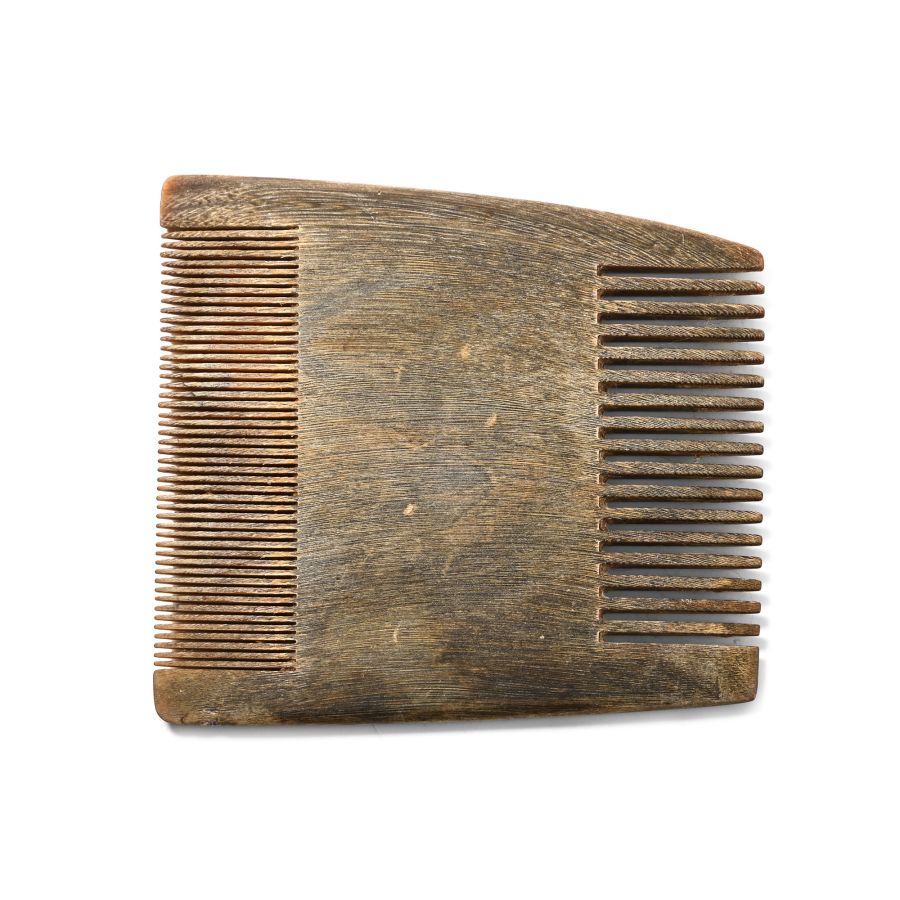
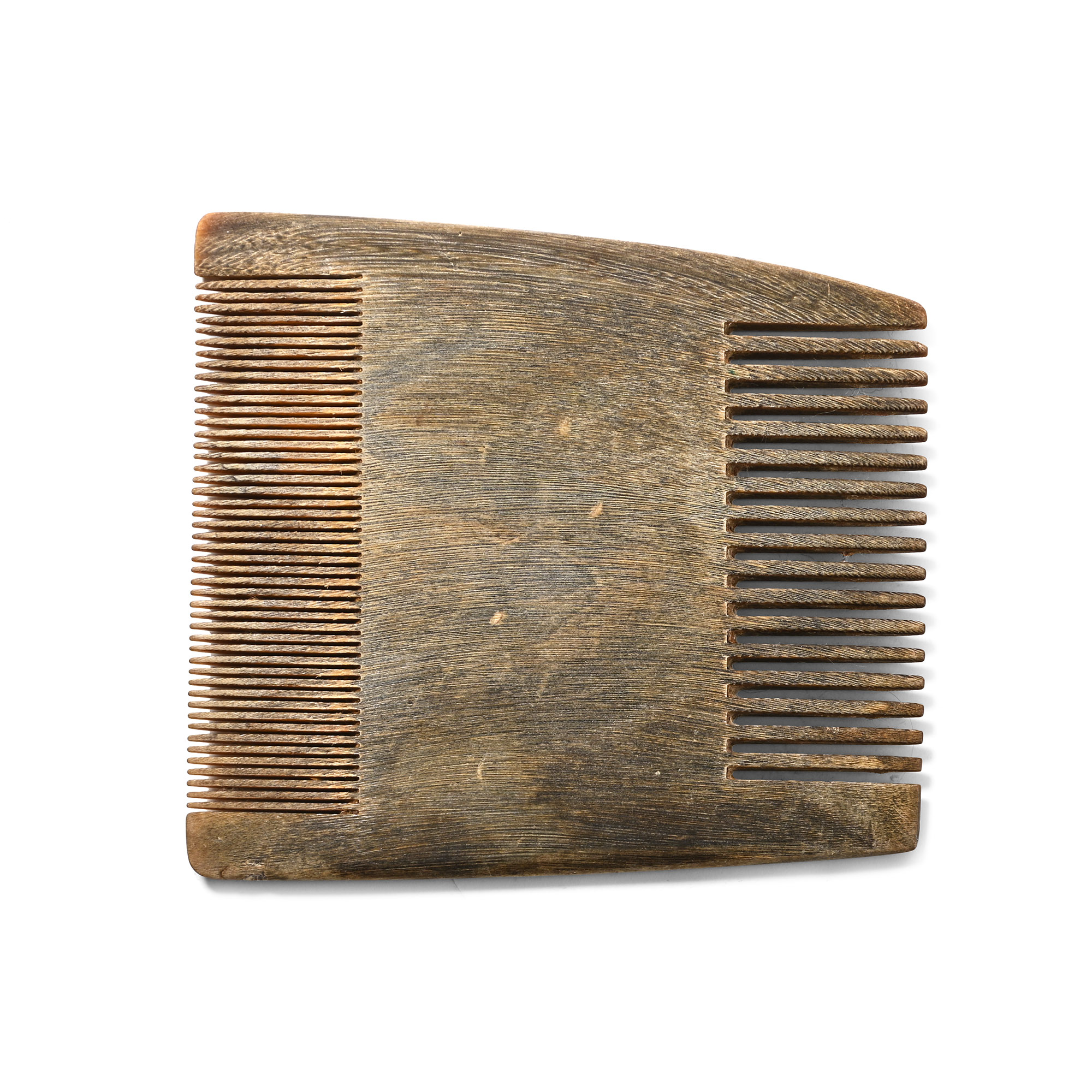
Migration Period Horn Comb
CIRCA 6TH-8TH CENTURY A.D.
2 3/4 in. (14.95 grams, 71 mm).
Trapezoidal type with saw-cut teeth to each long edge, one group coarse and the other fine.
ProvenanceEx German art market, 2000s.
Acquired from an EU collector living in London.
From the collection of a Surrey, UK, gentleman.
TimeLine Auctions follows a vetting process to ensure the authenticity and legality of all items, reinforcing our commitment to integrity and responsible trading. Each antiquity, antique, and coin lot undergoes thorough examination by a vetting committee of at least ten external specialists, professional trade association members, scientists, and archaeologists: Our Vetting Process
AUCTIONS:
TimeLine is a leading auction house specialising in antiquities, ancient art, collectables, natural history, coins, medals, and books. Our auctions offer museums, collectors, historians, and enthusiasts the opportunity to acquire unique and historically significant pieces.
-
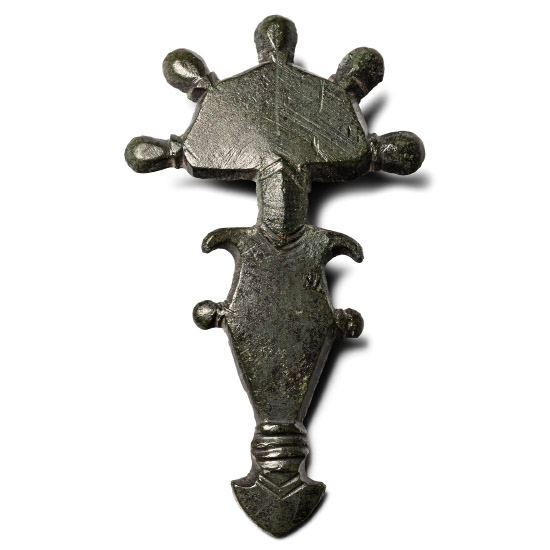
Visigothic Bronze Radiate-Headed Brooch
Circa 6th-7th century A.D.Sold for (Inc. bp): £117
Comprising a hemispherical head with five projecting globules, a gently arching keeled bow and the footplate with two lateral knops and a triangular terminal; pin-lugs and part of the catchplate on the reverse. 9.34 grams, 56 mm
From a European collection, 1990s. Accompanied by a previous dealer's sales ticket. -
.jpg)
Migration Period Gold Double Axehead Pendant
Circa 6th-8th century A.D.Sold for (Inc. bp): £715
Formed as a miniature twibil with loop handle and granule to each corner. 0.64 grams, 13 mm
Ex German art market, 2000s. Acquired from an EU collector living in London. From the collection of a Surrey, UK, gentleman. -
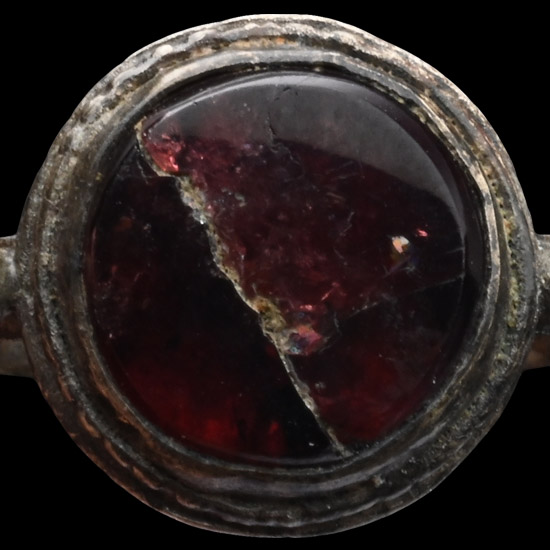
Dark Age Silver Ring with Garnet
Circa 6th-8th century A.D.Sold for (Inc. bp): £143
Comprising a slender hoop with an applied granule on each shoulder flanking the circular bezel set with a table-cut garnet. 1.97 grams, 19.01 mm overall, 16.10 x 14.65 mm internal diameter (approximate size British J, USA 4 3/4, Europe 8.69, Japan 8)
Ex German art market, 2000s. Acquired from an EU collector living in London. From the collection of a Surrey, UK, gentleman.
