
Loading, please wait...
LOT 1785
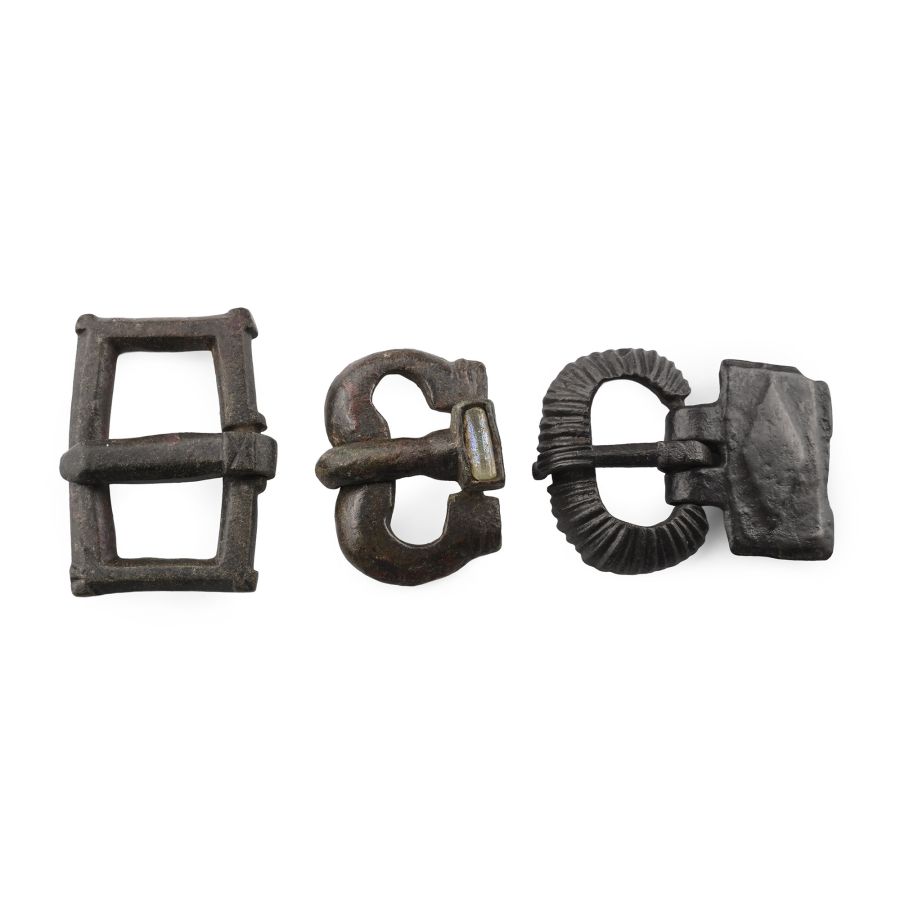
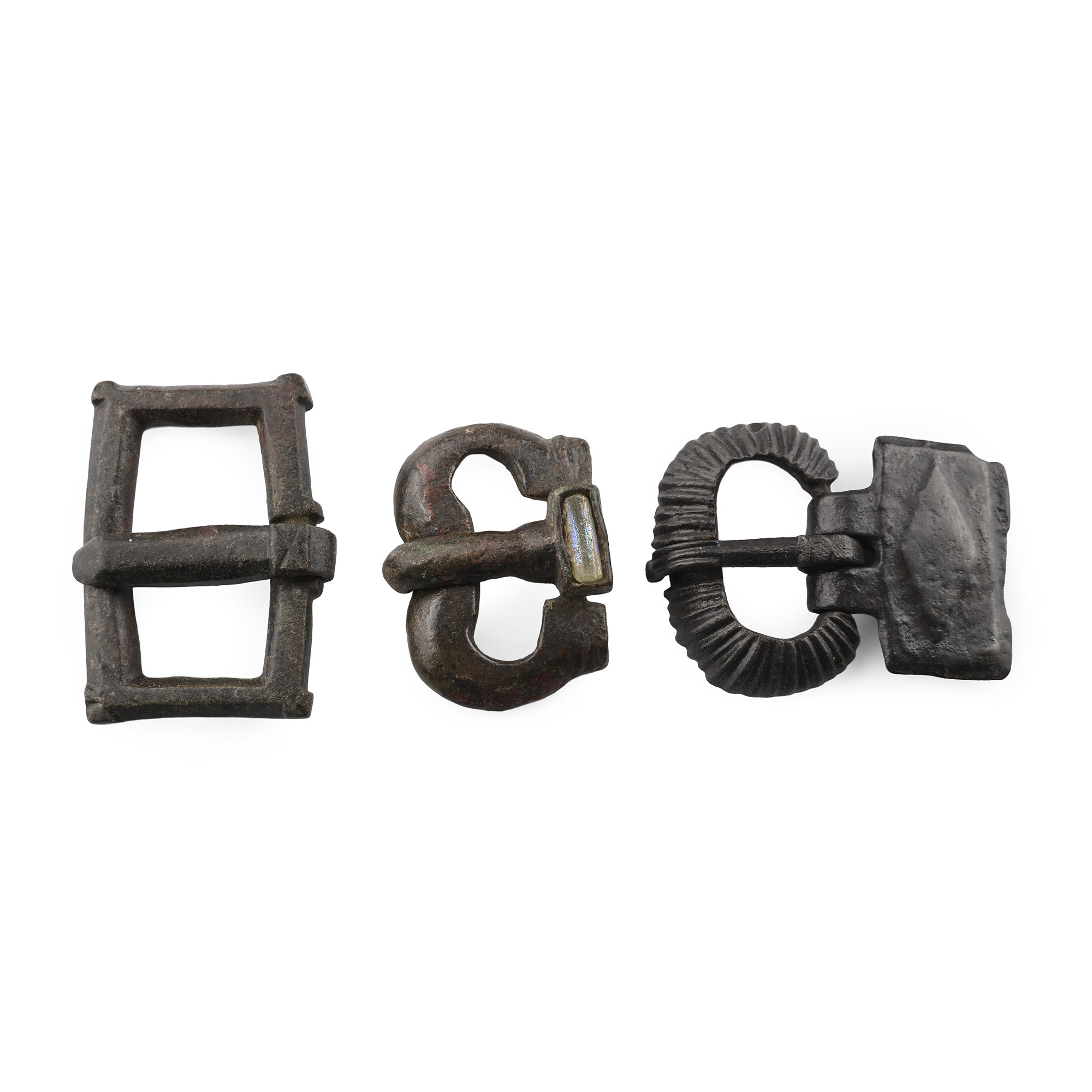
Migration Period Buckle Collection
6TH-8TH CENTURY A.D.
1 1/2 - 1 3/4 in. (78 grams total, 39-46 mm).
Comprising: kidney-shaped loop with inset crystal panel to the tongue; rectangular loop with spurs to the corners, chamfered edges to the tongue; domed loop with radiating ridges, buckle plate with raised lozenge motif. [3, No Reserve]
ProvenanceEx German art market, 2000s.
Acquired from an EU collector living in London.
From the collection of a Surrey, UK, gentleman.
Cf. Menghin, W., The Merovingian Period. Europe Without Borders, Berlin, 2007, for types.
CONDITIONTimeLine Auctions follows a vetting process to ensure the authenticity and legality of all items, reinforcing our commitment to integrity and responsible trading. Each antiquity, antique, and coin lot undergoes thorough examination by a vetting committee of at least ten external specialists, professional trade association members, scientists, and archaeologists: Our Vetting Process
AUCTIONS:
TimeLine is a leading auction house specialising in antiquities, ancient art, collectables, natural history, coins, medals, and books. Our auctions offer museums, collectors, historians, and enthusiasts the opportunity to acquire unique and historically significant pieces.
-
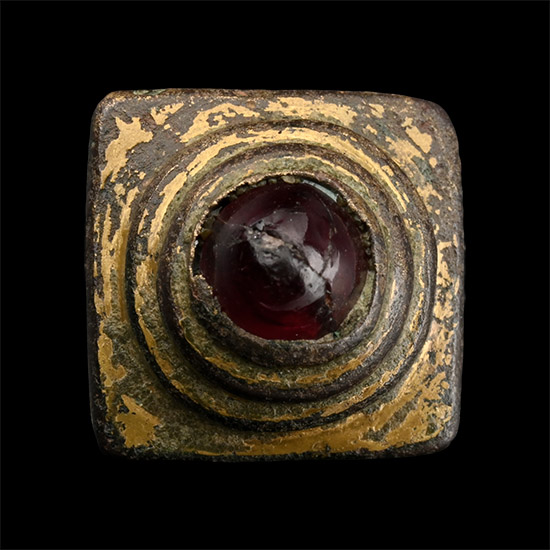
Migration Period Silver-Gilt Stud with Cabochon
6th-8th century A.D.Estimate: £100 - 140 (+bp*)
Opening Bid: £50
Square in plan with stepped cell and inset cabochon garnet; mounting spike to reverse. 6.03 grams, 19 mm
Ex German art market, 2000s. Acquired from an EU collector living in London. From the collection of a Surrey, UK, gentleman. -
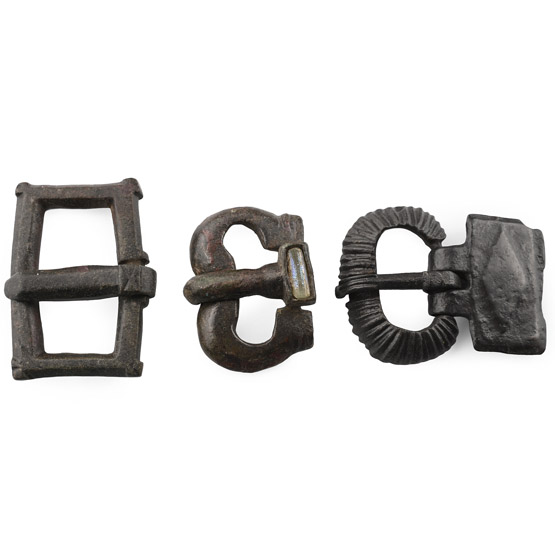
Migration Period Buckle Collection
6th-8th century A.D.Sold for (Inc. bp): £39
Comprising: kidney-shaped loop with inset crystal panel to the tongue; rectangular loop with spurs to the corners, chamfered edges to the tongue; domed loop with radiating ridges, buckle plate with raised lozenge motif. 78 grams total, 39-46 mm
Ex German art market, 2000s. Acquired from an EU collector living in London. From the collection of a Surrey, UK, gentleman. -
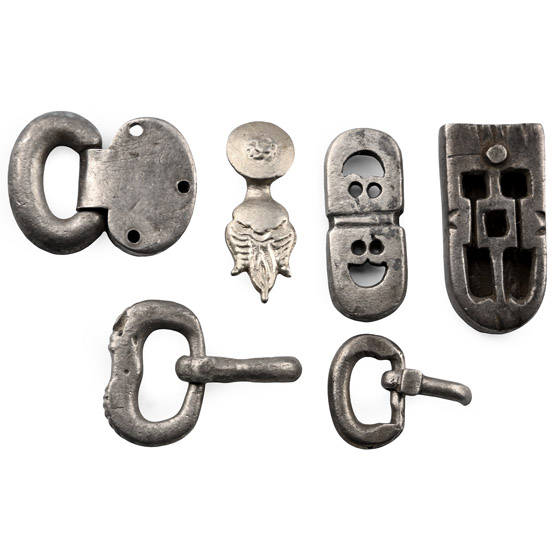
Migration Period Silver Buckle and Mount Collection
6th-8th century A.D.Sold for (Inc. bp): £72
Including kidney-shaped and other types, with openwork stiffener plate, strap end and other items. 26.34 grams total, 16-30 mm
Ex German art market, 2000s. Acquired from an EU collector living in London. From the collection of a Surrey, UK, gentleman.
