
Loading, please wait...
LOT 2451
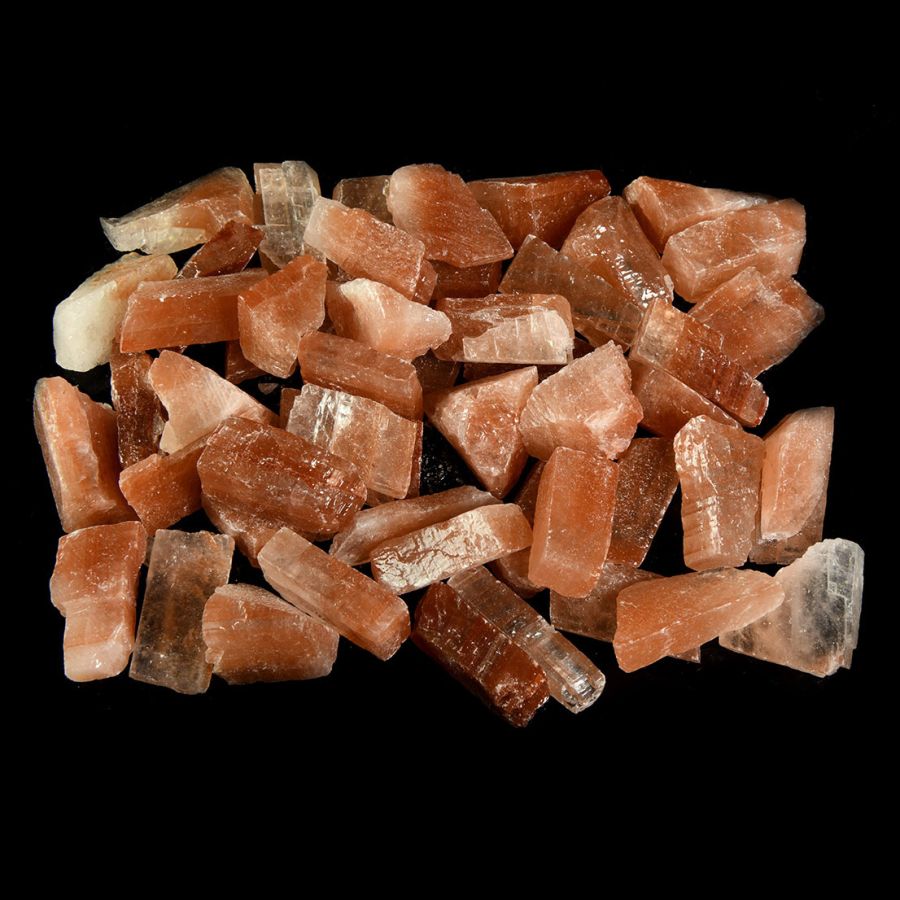
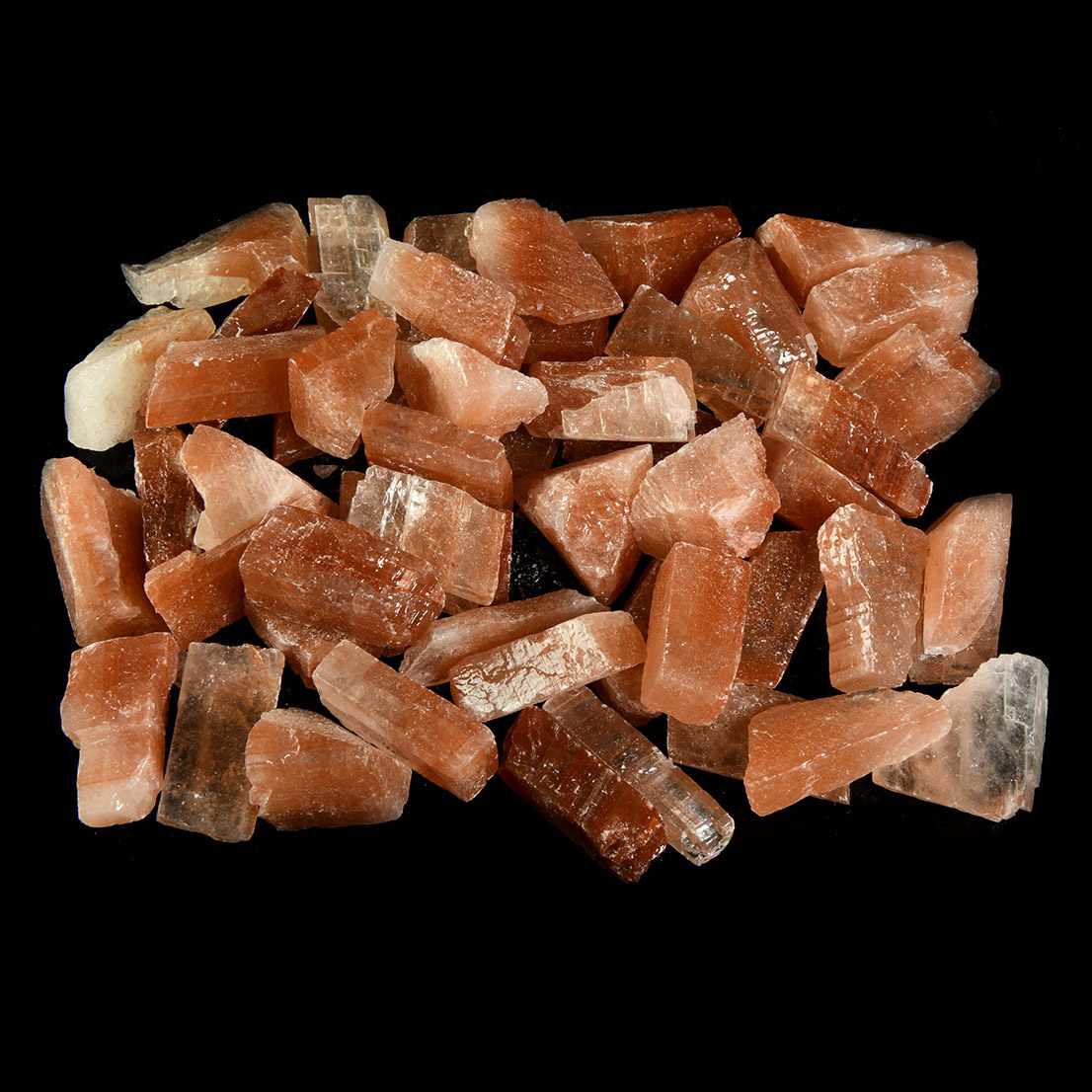
Mexico Red Calcite Mineral Specimens
1 - 1 1/2 in. (356 grams total, 25-40mm).
A group of forty-two cut red calcite mineral specimens in various shapes and sizes. [42, No Reserve]
ProvenanceFrom the historic ‘Victorian Museum’ or later collection of Gregory, Bottley & Lloyd (Gregory's); formerly Gregory, Bottley & Co. (1932-1981) and previously J. R. Gregory & Co. (1898-1932); originally James Reynolds Gregory (1858-1898).
From the private collection of John Meredith, acquired since the 1990s; thence by descent.
TimeLine Auctions follows a vetting process to ensure the authenticity and legality of all items, reinforcing our commitment to integrity and responsible trading. Each antiquity, antique, and coin lot undergoes thorough examination by a vetting committee of at least ten external specialists, professional trade association members, scientists, and archaeologists: Our Vetting Process
AUCTIONS:
TimeLine is a leading auction house specialising in antiquities, ancient art, collectables, natural history, coins, medals, and books. Our auctions offer museums, collectors, historians, and enthusiasts the opportunity to acquire unique and historically significant pieces.
-
.jpg)
Spinosaurus Dinosaur Fossil Tooth
Cretaceous Period, circa 125-113 million years B.P.Sold for (Inc. bp): £72
Showing some good enamel and root; restored. 41 grams, 84 mm
From Morocco, North Africa. From a Lincolnshire, UK, collection. -
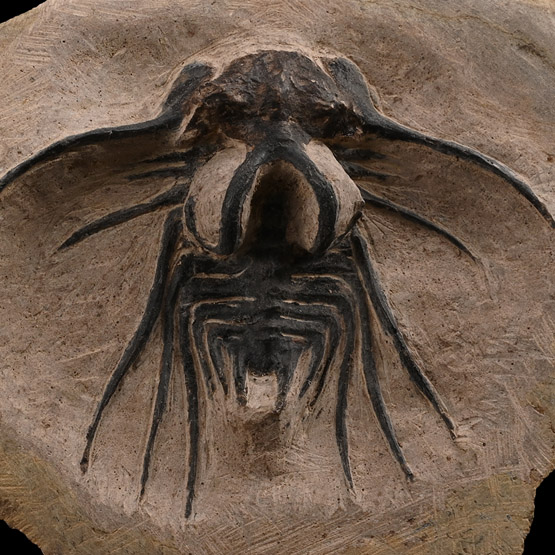
Fossil Dicranurus Monstrosus Trilobite
Devonian Period, circa 417-354 million years B.P.Sold for (Inc. bp): £182
Showing the pair of horn-like spines behind the glabellum, specific for Dicranurus monstrosus odontopleurid trilobites; some restoration. 522 grams, 16.2 cm
From a Cambridgeshire, UK, collection. -
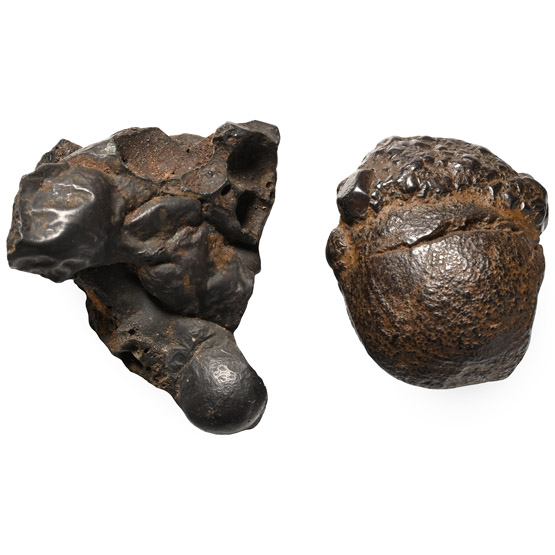
Asian Chondrite Meteorite Collection
Sold for (Inc. bp): £72
Two iron rich specimens each with fusion crust. 33.9 grams total, 27-35 mm
From S.E. Asia. Private collection, London, UK.
