
Loading, please wait...
LOT 2384
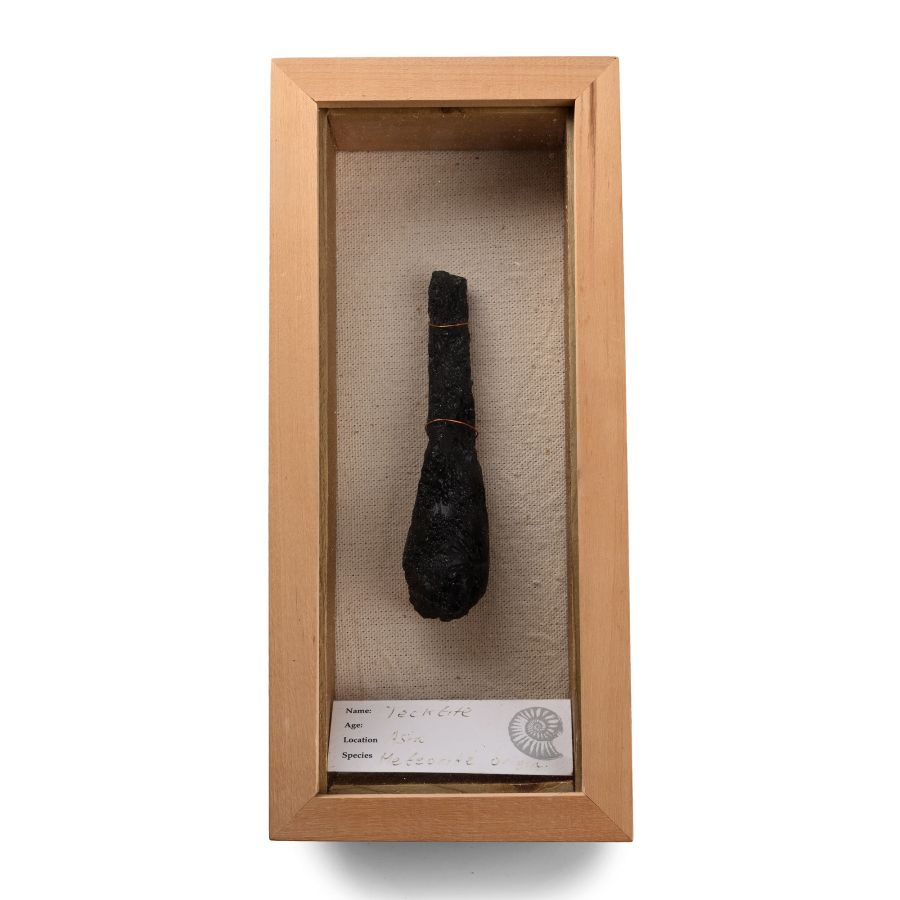
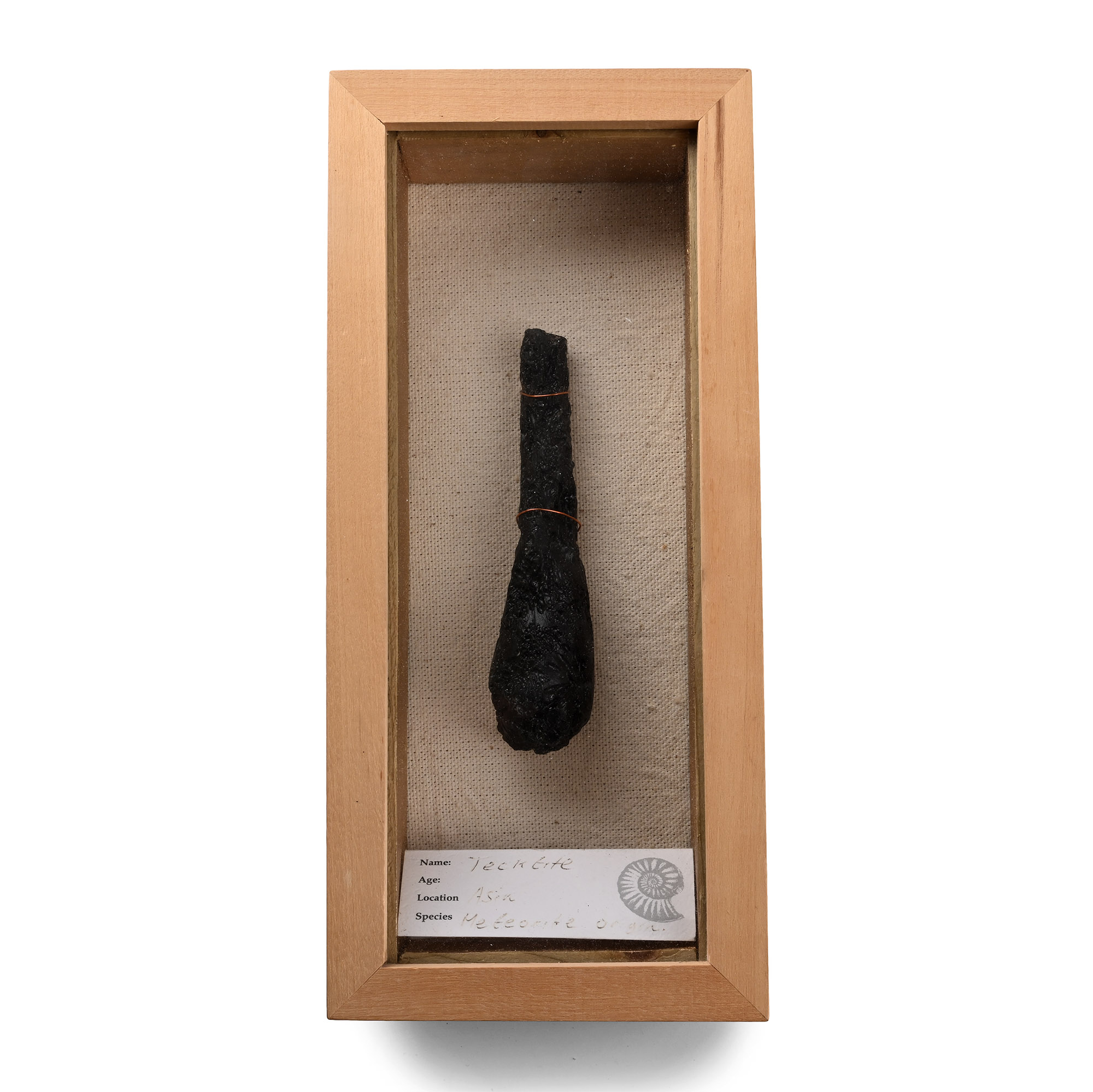
Meteorite Crater Tektite Specimen
9 3/4 x 4 1/2 in. (425 grams total, 24.9 x 11.3 cm).
Piriform in profile with glossy, pitted surface; displayed in a glazed wooden presentation case. [No Reserve]
ProvenanceFrom Asia.
Acquired on the UK art market.
From the private collection of an East Anglian, UK, Specialist Collector.
Tektites are lumps of black or dark grey natural glass produced from melted crustal rocks that are caused by large hypervelocity meteorite impacts on sediments.
CONDITIONTimeLine Auctions follows a vetting process to ensure the authenticity and legality of all items, reinforcing our commitment to integrity and responsible trading. Each antiquity, antique, and coin lot undergoes thorough examination by a vetting committee of at least ten external specialists, professional trade association members, scientists, and archaeologists: Our Vetting Process
AUCTIONS:
TimeLine is a leading auction house specialising in antiquities, ancient art, collectables, natural history, coins, medals, and books. Our auctions offer museums, collectors, historians, and enthusiasts the opportunity to acquire unique and historically significant pieces.
-
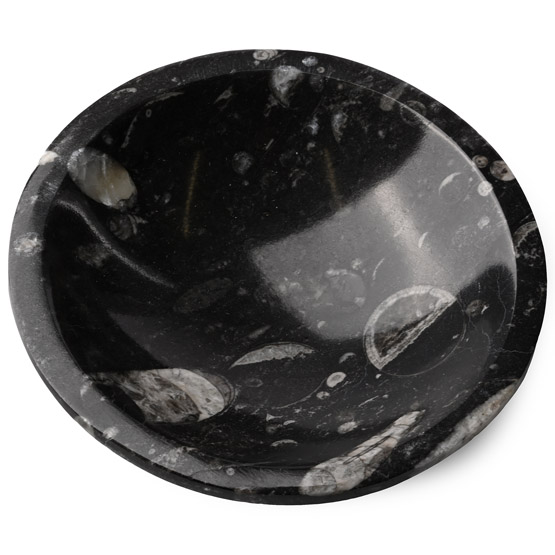
Polished Fossil Orthoceras Bowl
Devonian Period, circa 400 million years B.P.Sold for (Inc. bp): £26
Shallow, rounded profile, carved from fossiliferous stone 242 grams, 12.4 cm
From Morocco. From a Cambridgeshire, UK, collection. -
.jpg)
Bismuth Specimen Pair
Sold for (Inc. bp): £20
Comprising two hopper crystals exhibiting stairstep crystal structure and iridescent colours. 49 grams total, 28-33 mm
From a Cambridgeshire, UK, collection. -
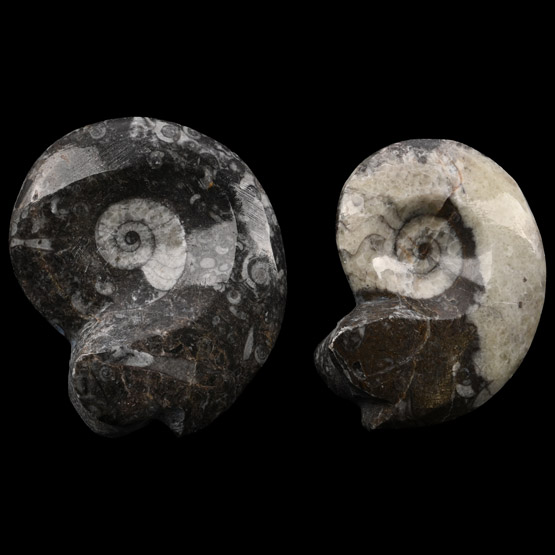
Polished Fossil Goniatite Group
Devonian Period, circa 400 million years B.P.Sold for (Inc. bp): £20
A pair of polished goniatites showing some internal structure. 138 grams total, 62-65 mm
Found Morocco, North Africa. Property of an Essex gallery.
