
Loading, please wait...
![Meteorite Crater Tektite Specimen Collection [6]](https://timelineauctions.com/zoom_images/zoomthumb/2/2/227926_900x900.jpg "Meteorite Crater Tektite Specimen Collection [6]")
![Meteorite Crater Tektite Specimen Collection [6]](https://timelineauctions.com/zoom_images/zoommap/2/2/227926_200x200.jpg "Meteorite Crater Tektite Specimen Collection [6]")
![Meteorite Crater Tektite Specimen Collection [6]](https://timelineauctions.com/upload/images/items/227926.jpg "Meteorite Crater Tektite Specimen Collection [6]")
LOT 2721
Meteorite Crater Tektite Specimen Collection [6]
1 1/8 - 1 7/8 in. (170 grams total, 29-47 mm).
Pebble-like black specimens of meteoric glass of various shapes and sizes. [6, No Reserve]
ProvenanceEx Mineral Imports, London, UK.
Gregory, Bottley & Lloyd (Gregory's), Harwich, UK.
Tektites are lumps of black or dark grey natural glass produced from melted crustal rocks that are caused by large hypervelocity meteorite impacts on sediments.
CONDITIONTimeLine Auctions follows a vetting process to ensure the authenticity and legality of all items, reinforcing our commitment to integrity and responsible trading. Each antiquity, antique, and coin lot undergoes thorough examination by a vetting committee of at least ten external specialists, professional trade association members, scientists, and archaeologists: Our Vetting Process
AUCTIONS:
TimeLine is a leading auction house specialising in antiquities, ancient art, collectables, natural history, coins, medals, and books. Our auctions offer museums, collectors, historians, and enthusiasts the opportunity to acquire unique and historically significant pieces.
-
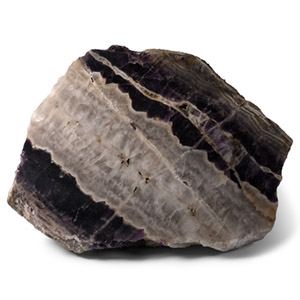
Very Large Cut and Polished Slab of Vintage Blue John
Sold for (Inc. bp): £208
A clear, blue, and purple banded unique type of fluorite, only found around the town of Castleton, England. 2.5 kg, 22 cm
From Castleton, England. Ex Mineral Imports, London, UK. Gregory, Bottley & Lloyd (Gregory's), Harwich, UK. -
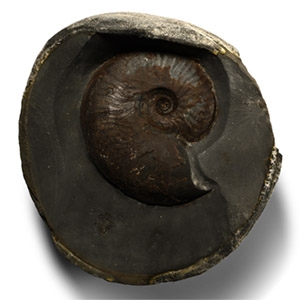
Large Fossil Ammonite Nodule
Jurassic Period, Toarcian Stage, circa 182-174 million years B.P.Sold for (Inc. bp): £52
A rounded nodule half containing a large Eleganticeras sp. specimen. 1.74 kg, 13.2 cm
From Yorkshire coast. From a Lincolnshire, UK, collection. -
![Meteorite Crater Tektite Specimen Collection [6]](https://timelineauctions.com/upload/images/items/small/227926-s.jpg)
Meteorite Crater Tektite Specimen Collection [6]
Sold for (Inc. bp): £72
Pebble-like black specimens of meteoric glass of various shapes and sizes. 170 grams total, 29-47 mm
Ex Mineral Imports, London, UK. Gregory, Bottley & Lloyd (Gregory's), Harwich, UK.
Tektites are lumps of black or dark grey natural glass produced from melted crustal rocks that are caused by large hypervelocity meteorite impacts on sediments.
