
Loading, please wait...
_900x900.jpg "Mesopotamian Torch Bearer Stand with Lion Tamer")
_200x200.jpg "Mesopotamian Torch Bearer Stand with Lion Tamer")
.jpg "Mesopotamian Torch Bearer Stand with Lion Tamer")
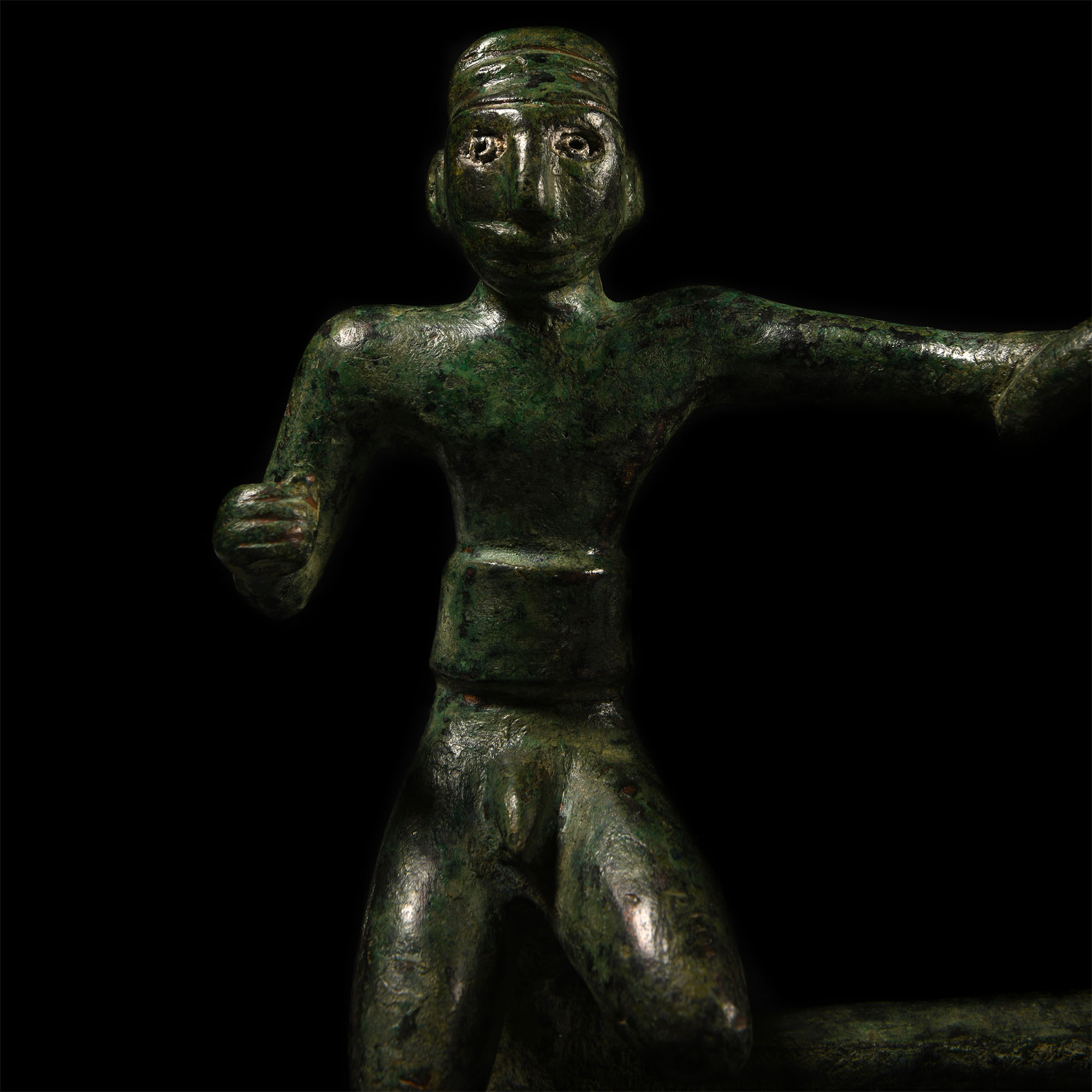
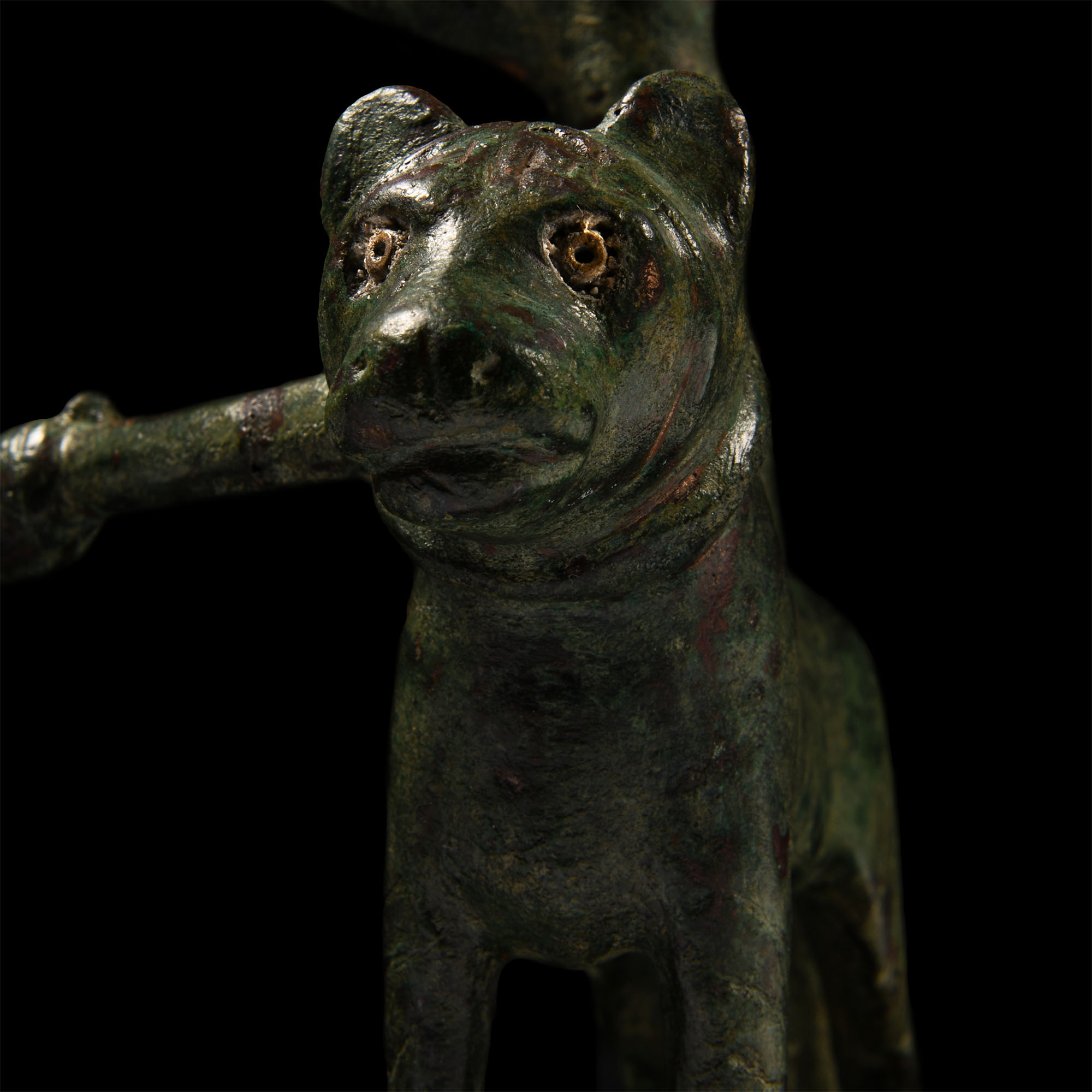
LOT 0221
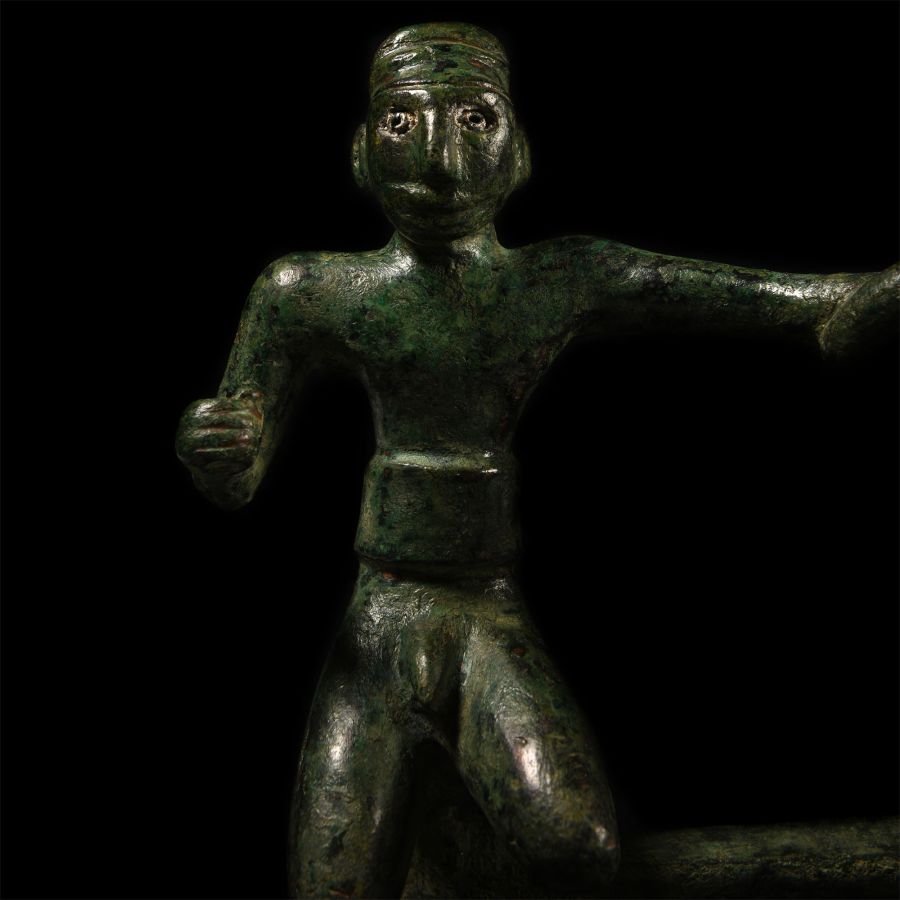
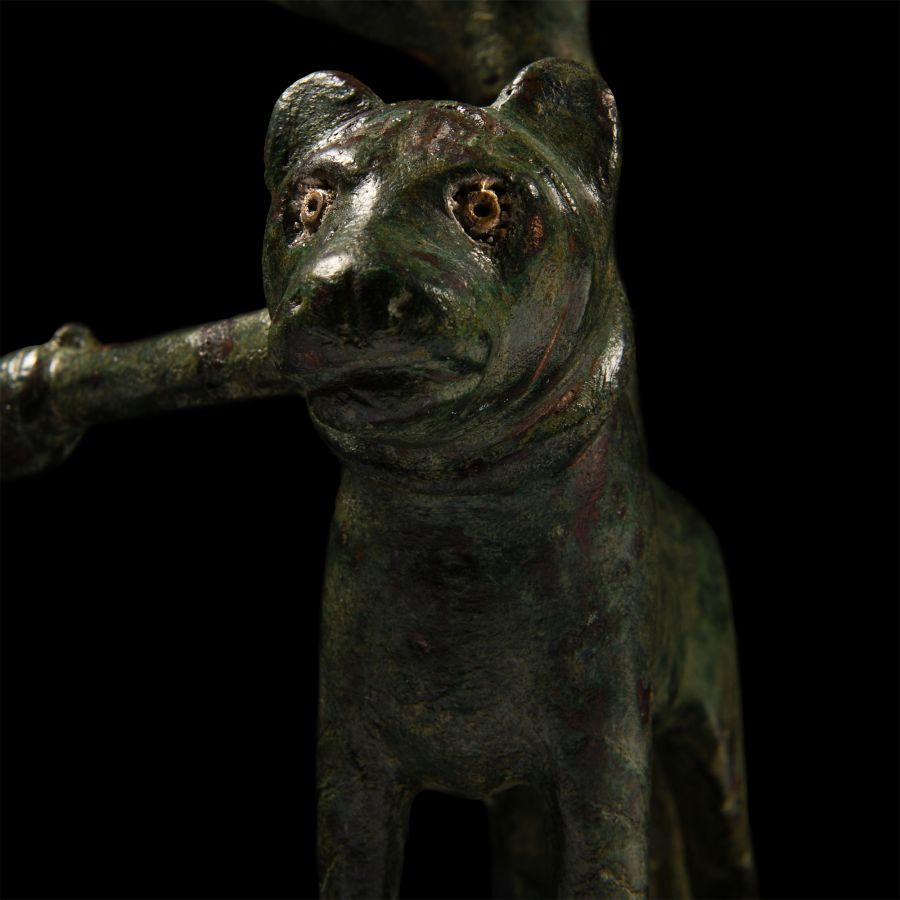
Mesopotamian Torch Bearer Stand with Lion Tamer
EARLY DYNASTIC II, MID 3RD MILLENNIUM B.C.
8 1/4 in. (2.15 kg, 21 cm high).
A substantial torch bearer depicting a male lion or panther standing with legs firmly planted on a rectangular base, tail extending to the ground, with a massive circular shaped armature or candelabra issuing from its back and wearing an elaborate muzzle, the eyes retaining shell inlay with a circular hollow for the pupils; to the right of the beast a kneeling nude male wearing a large belt-armour and a diadem, eyes inlaid, left hand extended to the side and holding the lion's leash.
ProvenanceAcquired before 1983.
Ex London gallery, 1990s.
Accompanied by an academic report by Dr Raffaele D’Amato.
This lot has been checked against the Interpol Database of stolen works of art and is accompanied by a search certificate number no.12043-216337.
Cf. a similar vessel stand with ibex support in the Metropolitan Museum, accession number 1974.190; Frankfort, H., More Sculpture from the Diyala Region, OIP 60, Chicago, 1943, pls.33-34, 55-57; 91,95; Carter, M.L., Goldstein, S., Harper, P.O., Kawami, T.S., Meyers, P., Splendours of the Ancient East, Antiquities from the al-Sabah collection, London, 2013, figs.1 and nos.1-2-3-4, for metal figures made in similar style; Prell, S., ‘Buckle up and fasten that belt! Metal belts in the early and Middle Bronze Age’ in Ägypten und Levante/Egypt and the Levant, vol.29 (2019), pp.303-330.
FootnotesThe object belongs to a series of artefacts which attest the wide regional trade existing in the mid to late 3rd millennium B.C. in the Mesopotamian lands. Stands of this type were intended to hold offering bowls or lamps.
CONDITIONTimeLine Auctions follows a vetting process to ensure the authenticity and legality of all items, reinforcing our commitment to integrity and responsible trading. Each antiquity, antique, and coin lot undergoes thorough examination by a vetting committee of at least ten external specialists, professional trade association members, scientists, and archaeologists: Our Vetting Process
AUCTIONS:
TimeLine is a leading auction house specialising in antiquities, ancient art, collectables, natural history, coins, medals, and books. Our auctions offer museums, collectors, historians, and enthusiasts the opportunity to acquire unique and historically significant pieces.
-
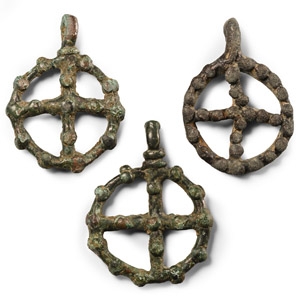
Amlash Bronze Openwork Pendant Group
1st millennium B.C.Sold for (Inc. bp): £104
Comprising three openwork pendants with central cross motifs, applied pellets throughout. 61.2 grams total, 48-51 mm
UK private collection before 2000. On the UK art market. Property of a London gentleman. -
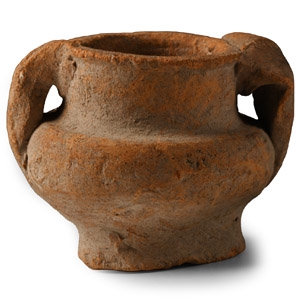
Western Asiatic Miniature Terracotta Amphora
2nd millennium B.C.Sold for (Inc. bp): £26
Broad squat body with low foot, broad shoulder, two lateral strap handles. 24.8 grams, 46 mm
with a London, UK gallery 1971-early 2000s. -
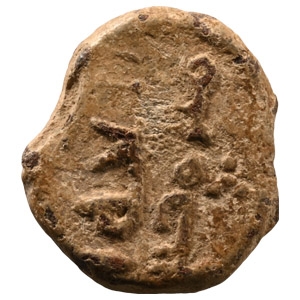
Western Asiatic Inscribed Lead Document Bulla
Circa 8th-9th century A.D.Sold for (Inc. bp): £20
Discoid with two line inscription to both sides. 10 grams, 21 mm
From the property of late Mr SM, London, UK, 1969-1999.
