
Loading, please wait...


LOT 1140
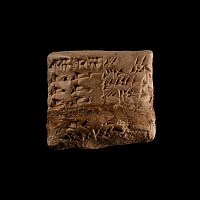
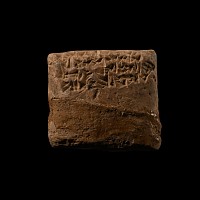
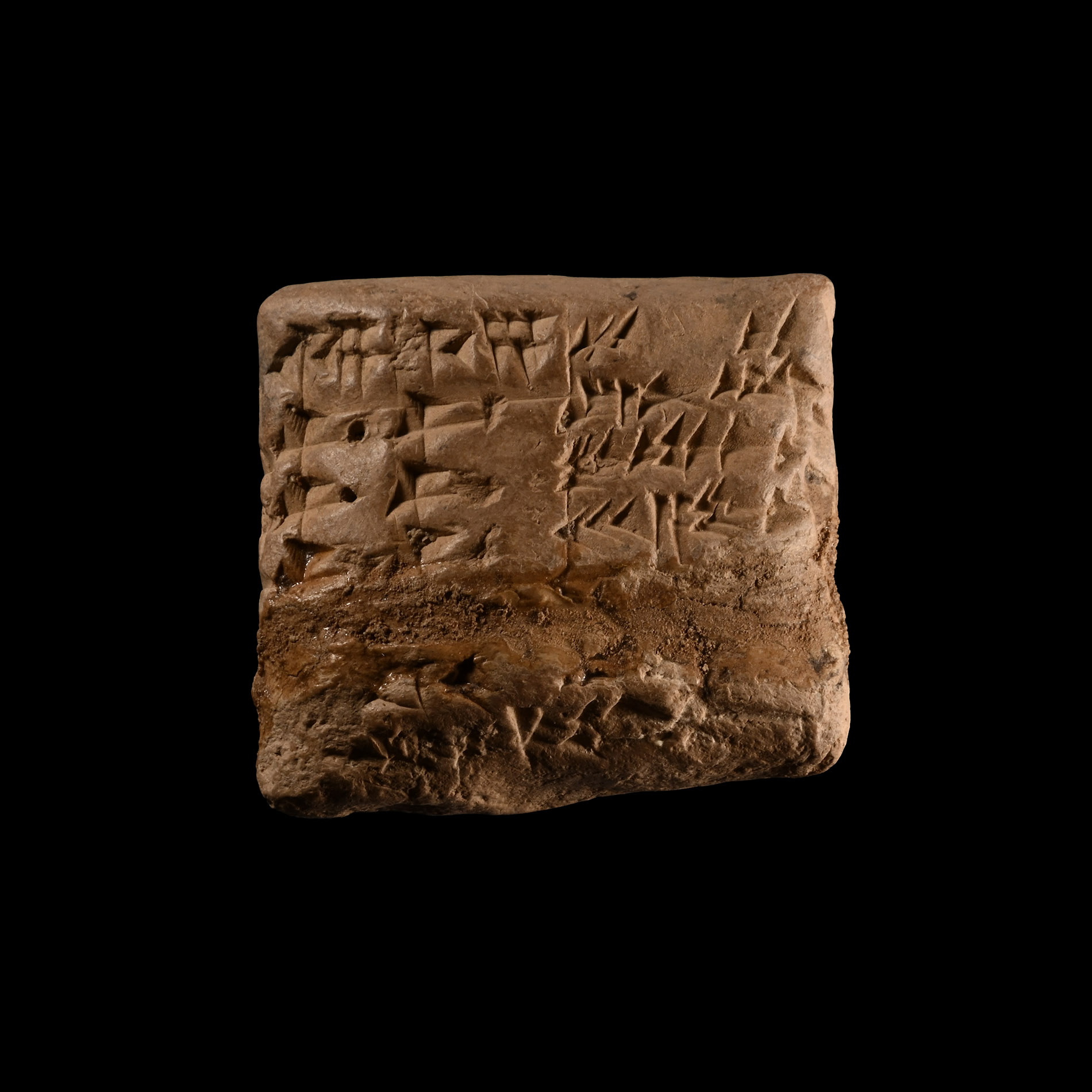
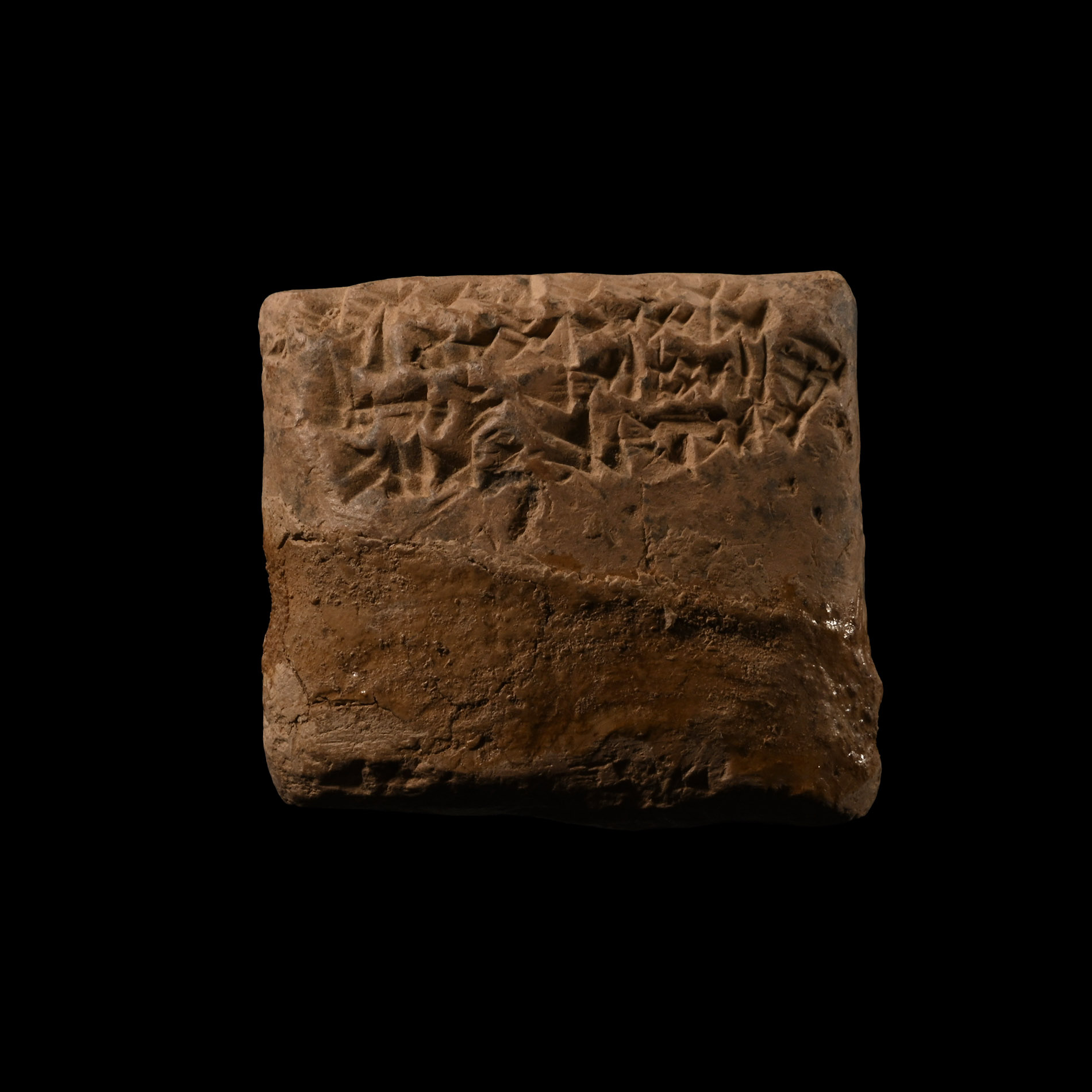
Mesopotamian Terracotta Cuneiform Tablet
2ND MILLENNIUM B.C.
2 in. (41.5 grams, 49 mm).
A bifacial pillow-shaped tablet with cuneiform text to both faces; repaired from two fragments. [No Reserve]
ProvenanceFrom specialised collection of cuneiform texts, formed in the 1950s-1990s.
The property of a London gentleman and housed in London, thence by descent to family members.
Examined by Professor Wilfrid George Lambert FBA (1926-2011), historian, archaeologist, and specialist in Assyriology and Near Eastern archaeology, in the late 1980s and 1990s.
The collection is exceptional for the variety of types, including some very rare and well preserved examples.
TimeLine Auctions follows a vetting process to ensure the authenticity and legality of all items, reinforcing our commitment to integrity and responsible trading. Each antiquity, antique, and coin lot undergoes thorough examination by a vetting committee of at least ten external specialists, professional trade association members, scientists, and archaeologists: Our Vetting Process
AUCTIONS:
TimeLine is a leading auction house specialising in antiquities, ancient art, collectables, natural history, coins, medals, and books. Our auctions offer museums, collectors, historians, and enthusiasts the opportunity to acquire unique and historically significant pieces.
-
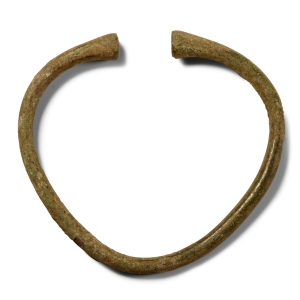
Western Asiatic Bronze Bracelet
Late Bronze Age, 1st millennium B.C.Sold for (Inc. bp): £13
Round-section shank with clubbed ends. 21 grams, 64 mm
Acquired 1980-2015. Ex Abelita family collection. -
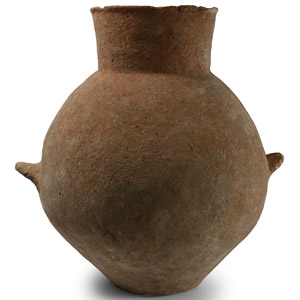
Large Western Asiatic Terracotta Jar with Ledge Handles
Bronze Age I, 2nd millennium B.C.Sold for (Inc. bp): £124
Biconvex globular body with broad neck, everted rim, two ledge handles to the equator. 1.52 kg, 24.7 cm
From an important collection of pottery formed before 1988. -
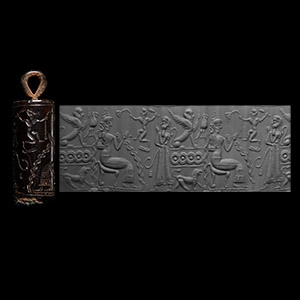
Mesopotamian Stone Cylinder Seal with Court Scene
2nd-1st millennium B.C.Sold for (Inc. bp): £1,560
With court scene: female figure with looped headdress seated on a four-legged chair with her raised arms from which two streams of liquid issue to the floor; to her rear, a guilloche panel with gryphon perched on top with small birds, advancing lion beneath; tall robed figure facing the female, with floor-length spilt robe, attendant with fan and objects in the field; bronze loop to one end; possibly some re-engraving; supplied with a museum-quality impression. 17.7 grams, 43 mm
Ex S. collection, London, UK, 1980s-2000s.
