
Loading, please wait...
LOT 1423
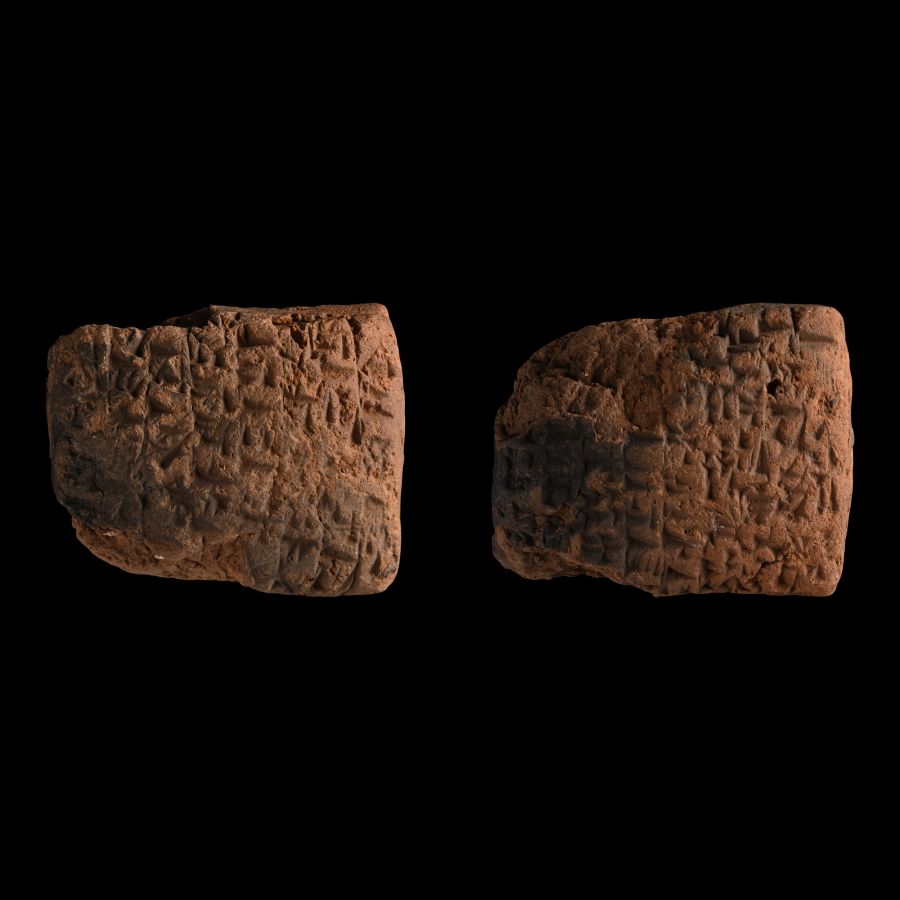
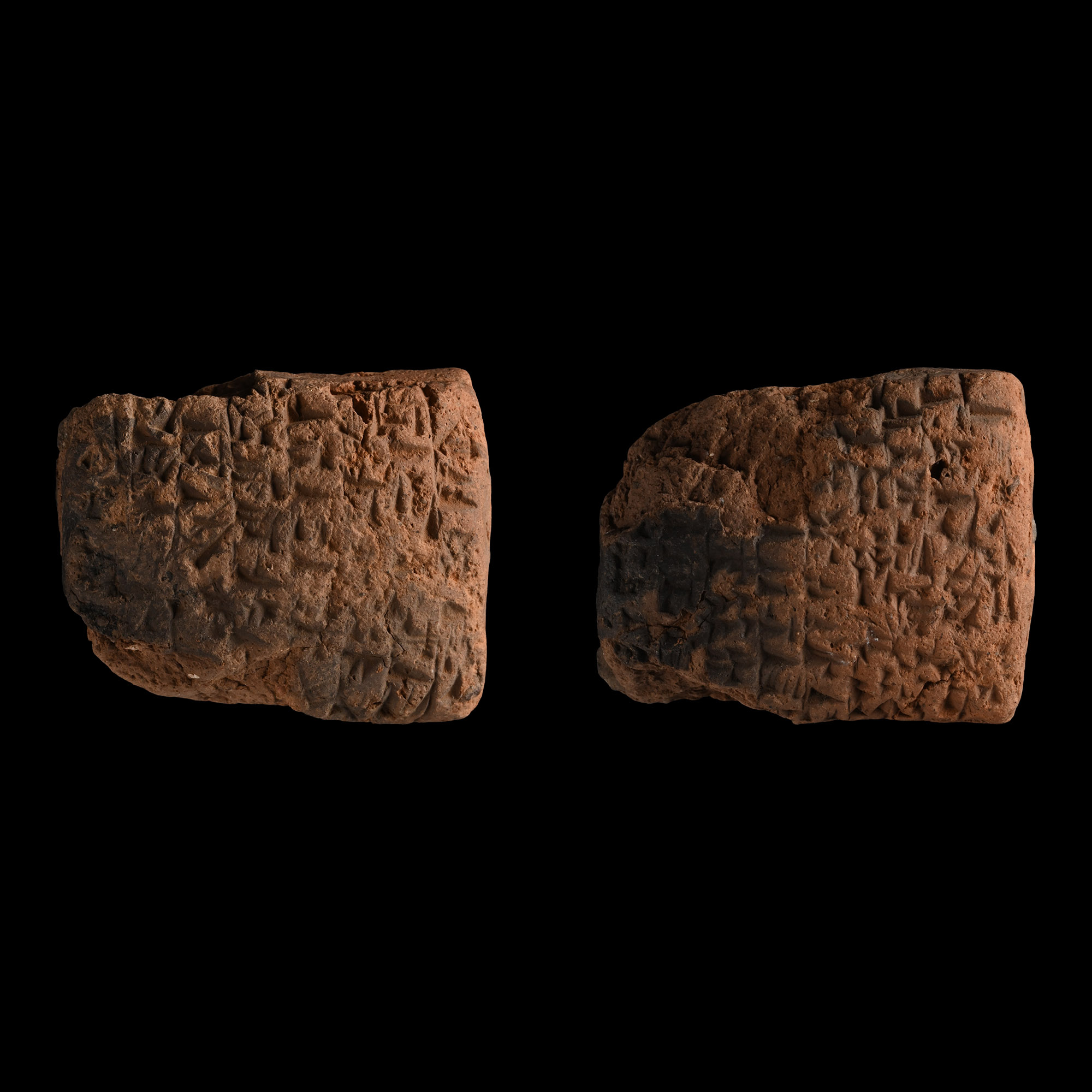
Mesopotamian Terracotta Cuneiform Tablet Fragment
2ND MILLENNIUM B.C.
1 1/2 in. (29.8 grams, 38.3 mm).
The majority of a pillow-shaped tablet with cuneiform text on both sides. [No Reserve]
ProvenanceFrom the private collection of a European gentleman (1942-2024), formed since the 1970s.
CONDITIONTimeLine Auctions follows a vetting process to ensure the authenticity and legality of all items, reinforcing our commitment to integrity and responsible trading. Each antiquity, antique, and coin lot undergoes thorough examination by a vetting committee of at least ten external specialists, professional trade association members, scientists, and archaeologists: Our Vetting Process
AUCTIONS:
TimeLine is a leading auction house specialising in antiquities, ancient art, collectables, natural history, coins, medals, and books. Our auctions offer museums, collectors, historians, and enthusiasts the opportunity to acquire unique and historically significant pieces.
-
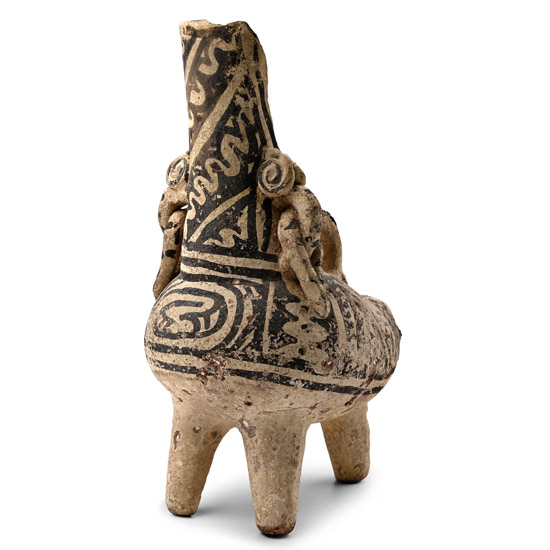
Western Asiatic Terracotta Zoomorphic Vessel
8th-9th century A.D.Sold for (Inc. bp): £176
With three splayed stub legs, ovoid body, loop handle and long pouring lip with strainer; applied loops and handles to the shoulders; hatched and scrolled painted decoration. 295 grams, 16 cm
UK collection, 1990s. Acquired on the UK art market, before 2000. Private collection, Mr M.V., a London-based businessman. -
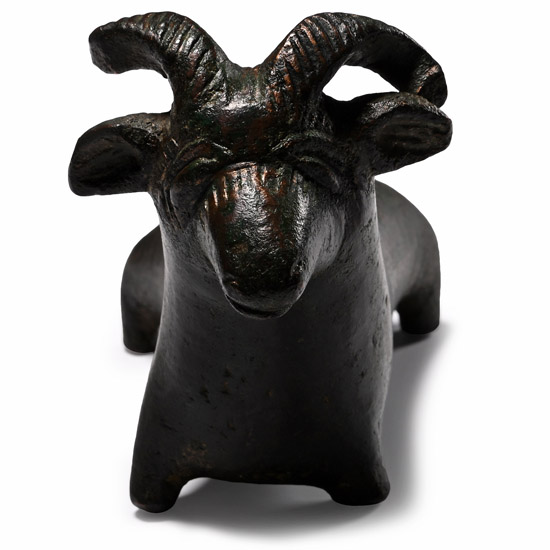
Western Asiatic Bronze Ram-Shaped Kohl Vessel
Circa 1500 B.C.Sold for (Inc. bp): £650
Modelled as a stylised ram with stocky body and short legs, exaggerated head with curving horns and large ears, tubular mouth with remains of the applicator closing the opening. 425 grams, 11.4 cm
Private collection Dr Rudolf and Leonora Blum, Zumikon, Switzerland. with Galerie Rhéa, Zurich, Switzerland. -
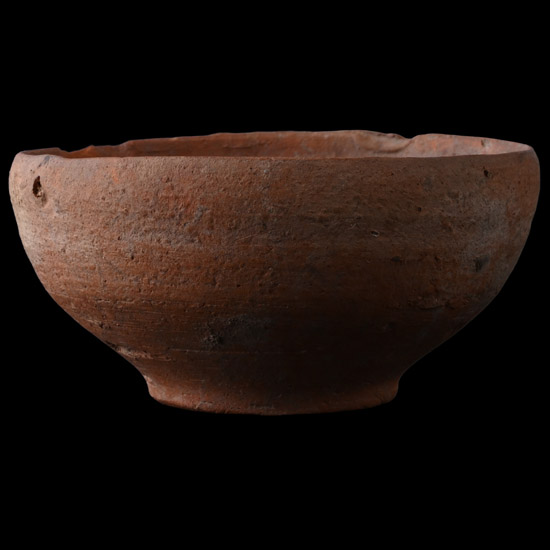
Nabataean Red Terracotta 'Eggshell' Bowl
Circa 1st century B.C.-1st century A.D.Sold for (Inc. bp): £59
Shallow, round bowl with a low foot. 44.5 grams, 72.2 mm
From the collection of a Yorkshire, UK gentleman, items collected in the Holy Land in the 1960s.
