
Loading, please wait...
LOT 1344
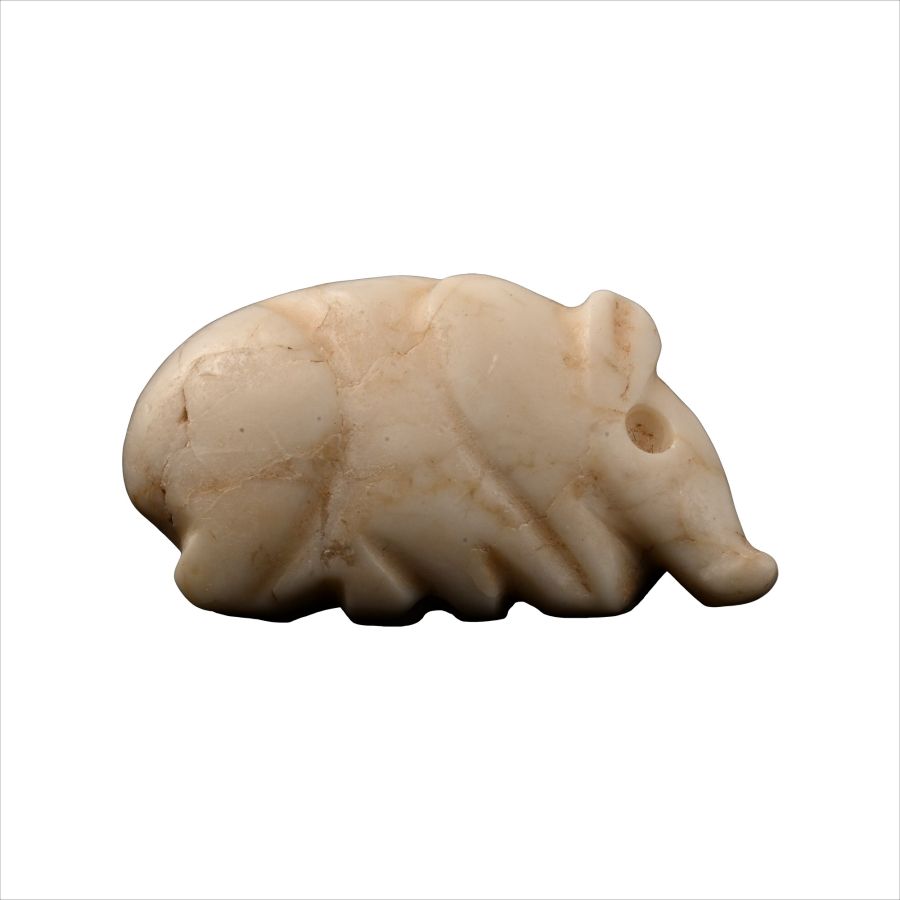
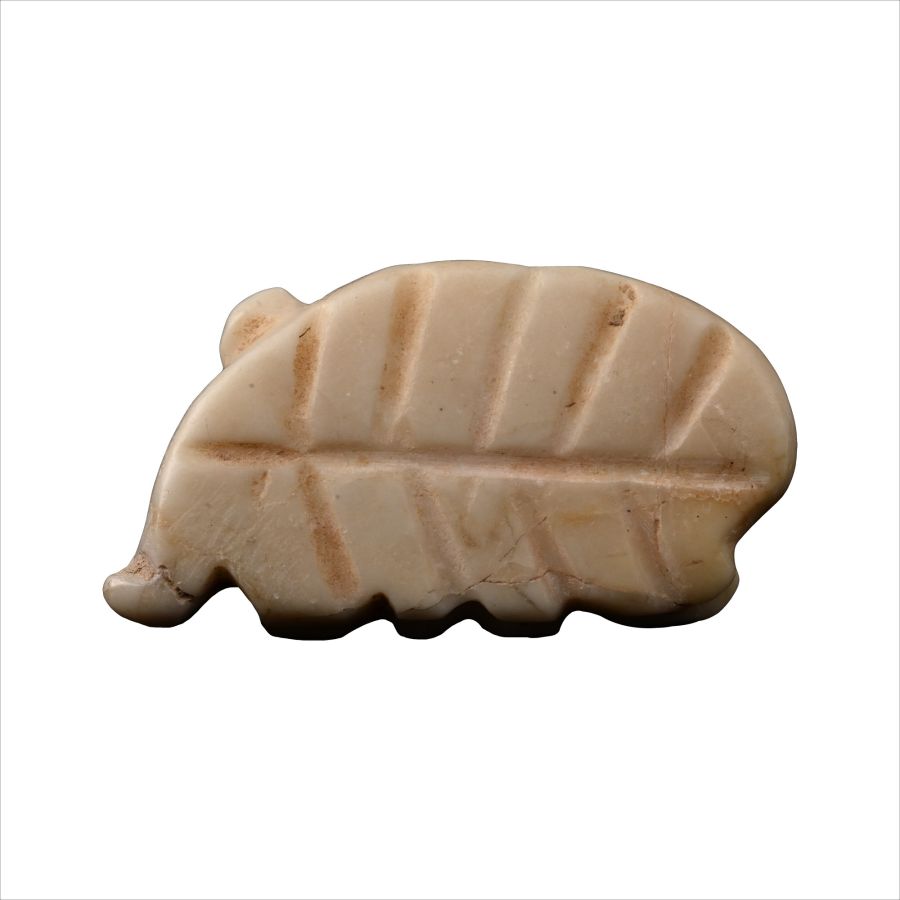
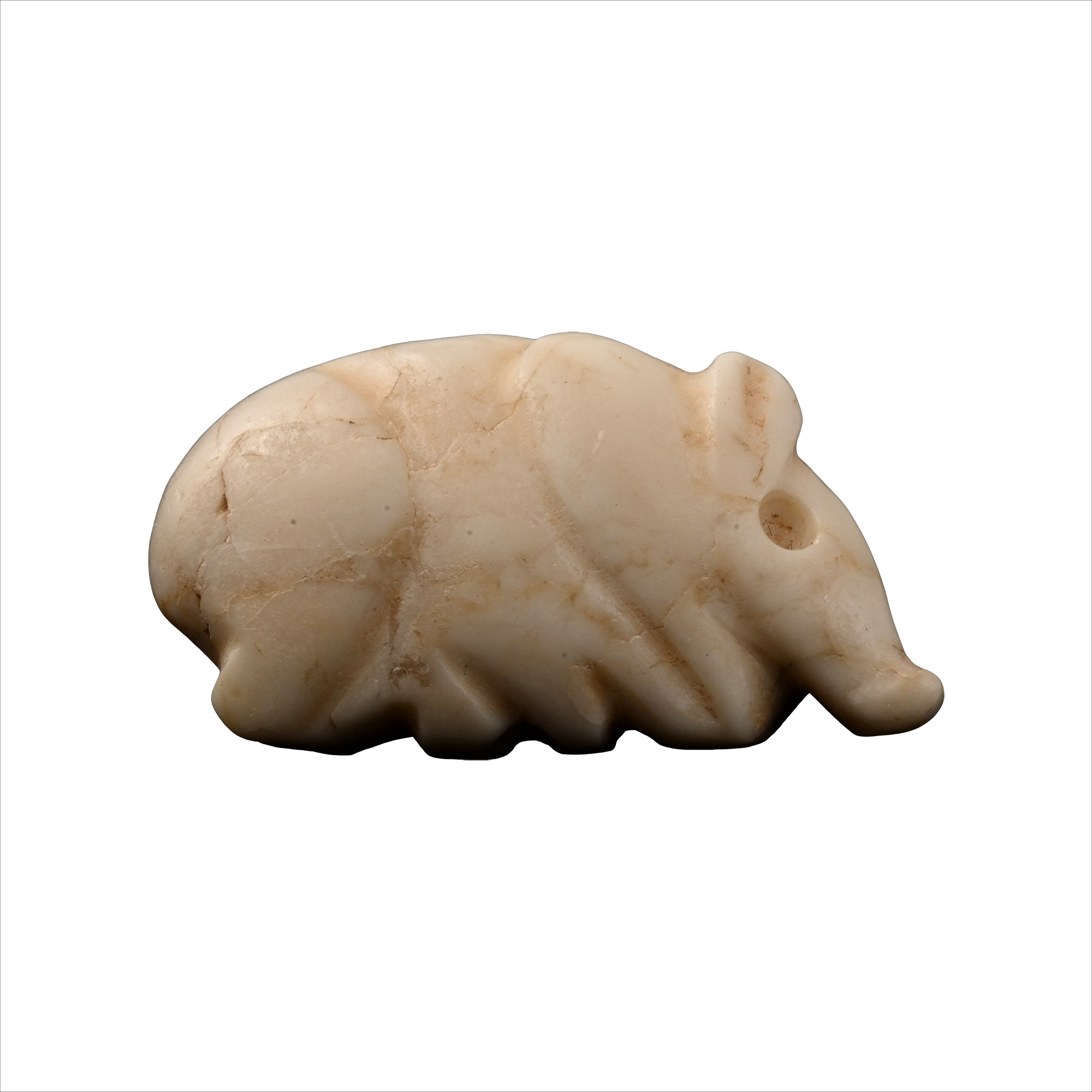
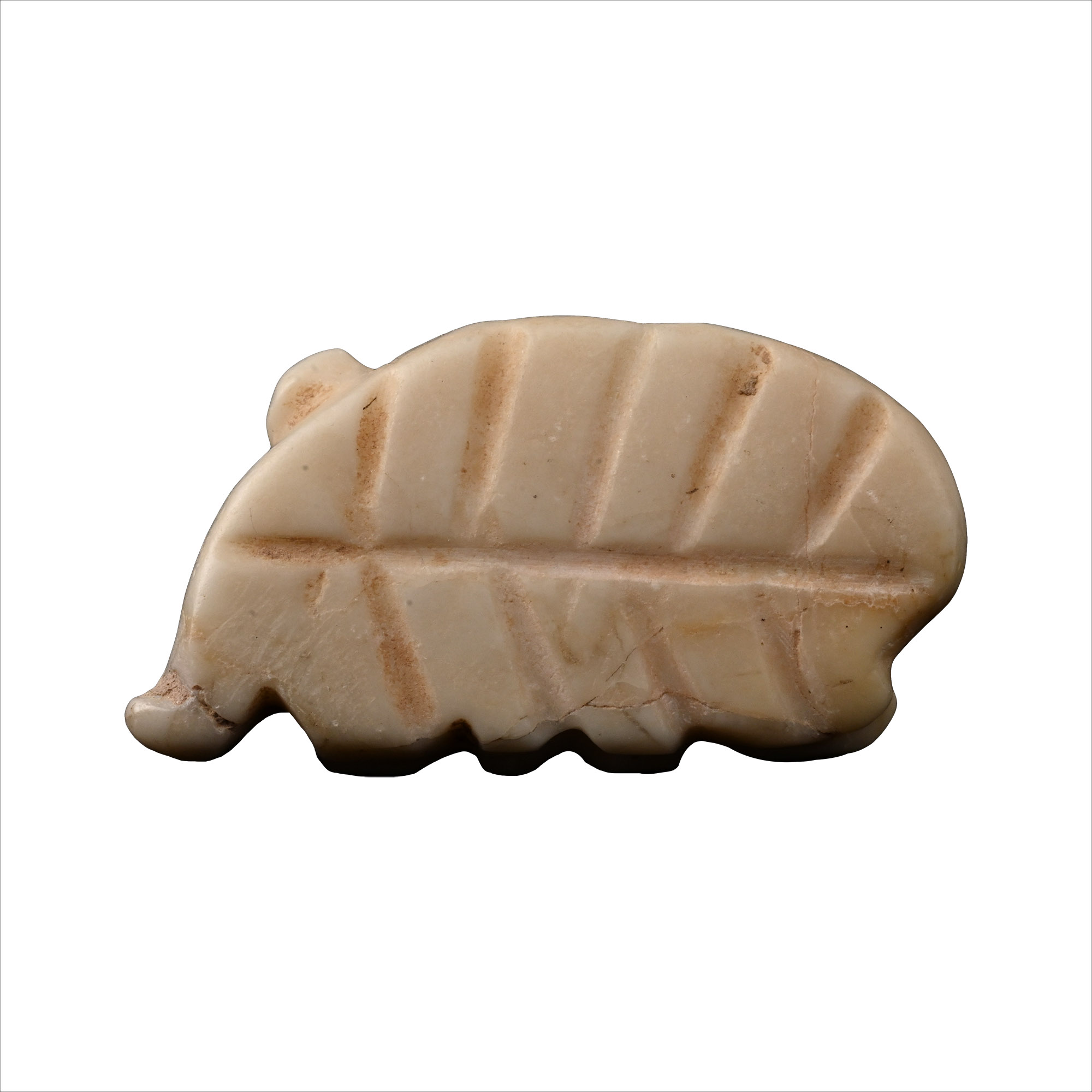
Mesopotamian Stone Pig Amulet
URUK, 4TH MILLENNIUM B.C.
1 5/8 in. (16.1 grams, 42 mm).
Reclining pig in profile with an elongated snout, circular recess for an eye insert, pierced through the centre; incised lines on the reverse.
ProvenanceFrom a Mayfair, London, UK, gallery, 1990s.
From a private UK collection.
This lot has been cleared against the Art Loss Register database, and is accompanied by an illustrated lot declaration signed by the Head of the Antiquities Department, Dr Raffaele D'Amato.
TimeLine Auctions follows a vetting process to ensure the authenticity and legality of all items, reinforcing our commitment to integrity and responsible trading. Each antiquity, antique, and coin lot undergoes thorough examination by a vetting committee of at least ten external specialists, professional trade association members, scientists, and archaeologists: Our Vetting Process
AUCTIONS:
TimeLine is a leading auction house specialising in antiquities, ancient art, collectables, natural history, coins, medals, and books. Our auctions offer museums, collectors, historians, and enthusiasts the opportunity to acquire unique and historically significant pieces.
-
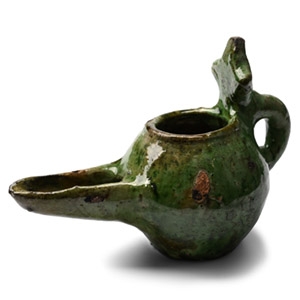
Seljuk Green-Glazed Ceramic Oil Lamp
Circa 11th century A.D. or laterSold for (Inc. bp): £124
With biconical profile to the body, U-section nozzle, loop handle with trefoil thumb-pad. 224 grams, 13.7 cm
Ex London, UK, collection, 1970-1990s. From the private collection of a Leicestershire, UK, gentleman. This lot has been cleared against the Art Loss Register database, and is accompanied by an illustrated lot declaration signed by the Head of the Antiquities Department, Dr Raffaele D'Amato. -
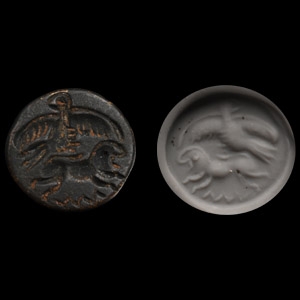
Urartu Hematite Stamp Seal with Eagle and Lion
8th-5th century B.C.Estimate: £300 - 400 (‡+bp*)
Opening Bid: £150
Columnar in form with hole for suspension, incuse running beast with bird in flight above; supplied with a museum-quality impression. 15.4 grams, 23 mm
Acquired in 1993. Private collection, thence by descent. Private collection, since the late 1990s. This lot has been cleared against the Art Loss Register database, and is accompanied by an illustrated lot declaration signed by the Head of the Antiquities Department, Dr Raffaele D'Amato. -
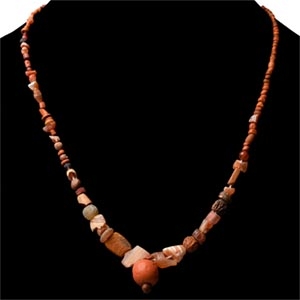
Western Asiatic Orange Glass and Other Bead Necklace String
1st millennium B.C. and laterSold for (Inc. bp): £39
Composed of graduated mixed beads with a large spherical bead as a central feature; restrung. 24.76 grams, 43 cm
From the London, UK, art market in the 1990s. This lot has been cleared against the Art Loss Register database, and is accompanied by an illustrated lot declaration signed by the Head of the Antiquities Department, Dr Raffaele D'Amato.
