
Loading, please wait...
LOT 0226
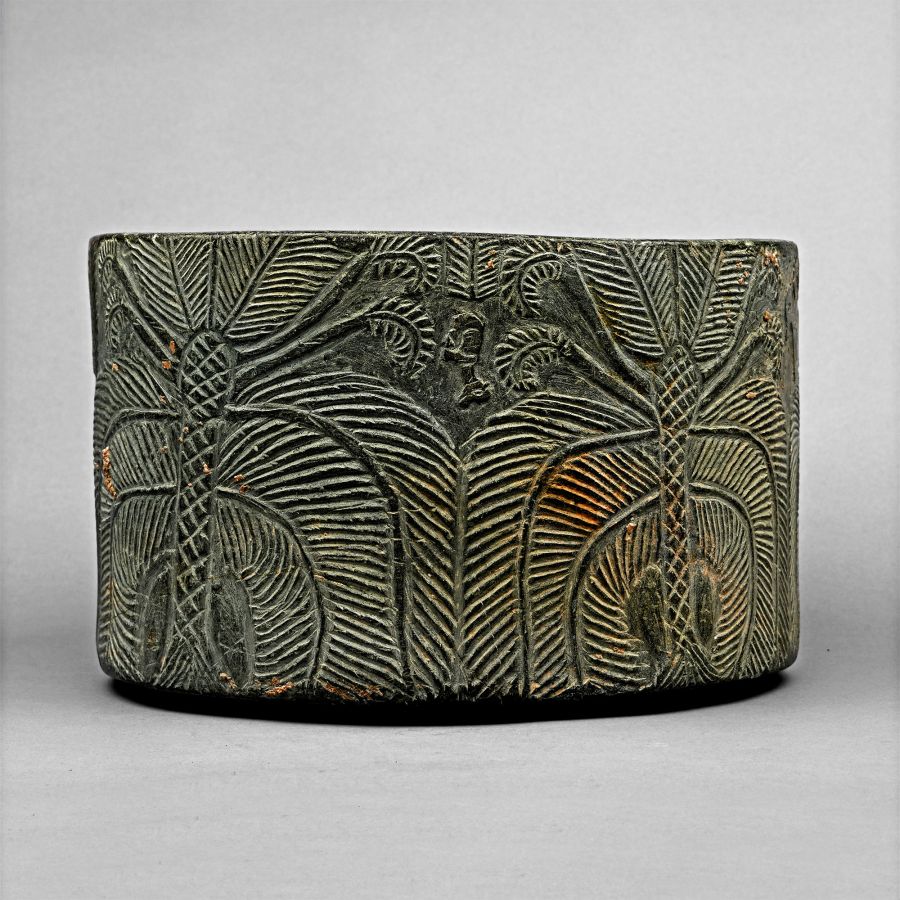
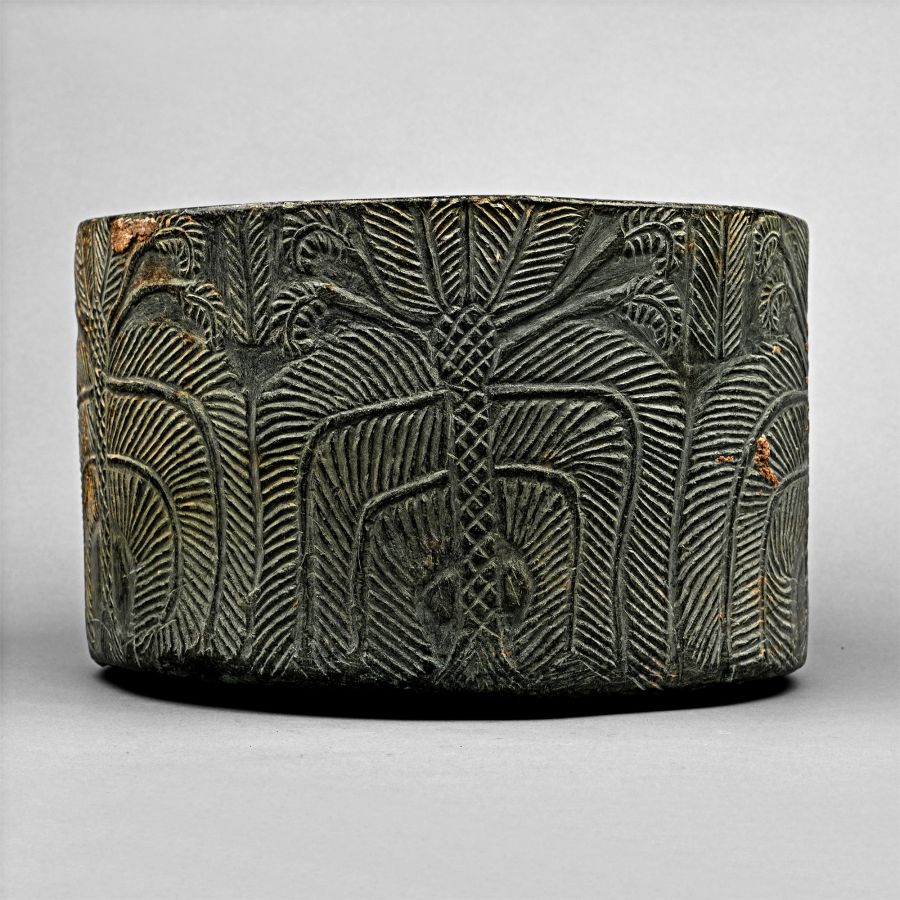
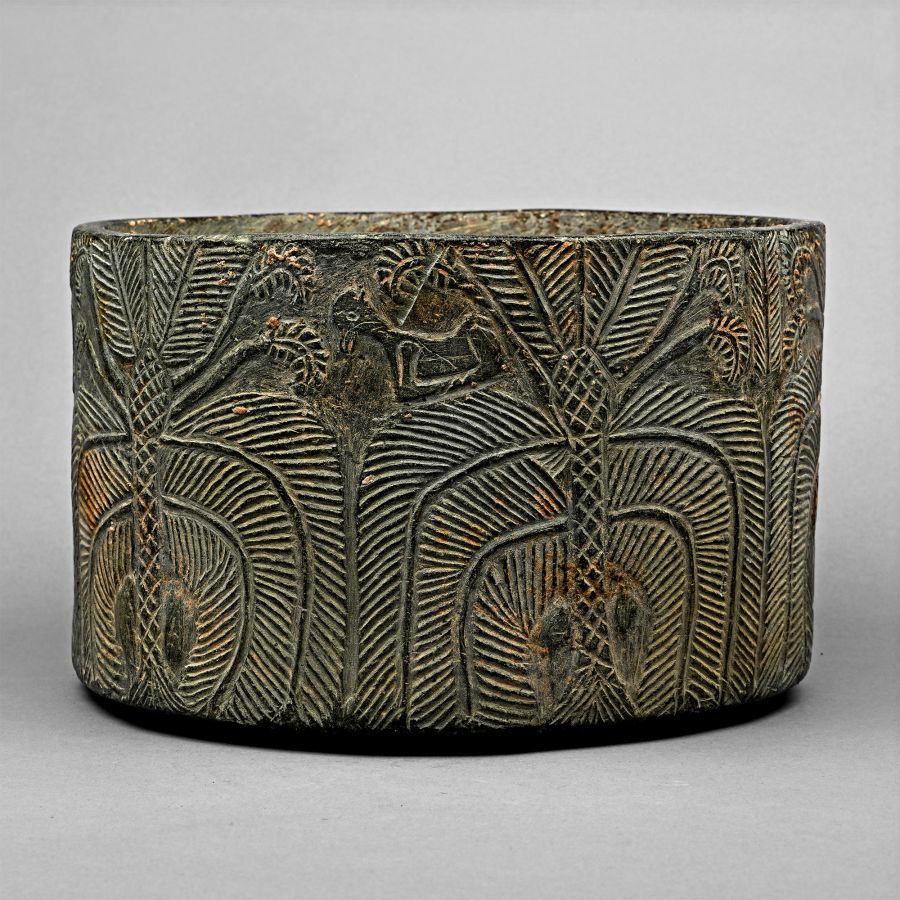
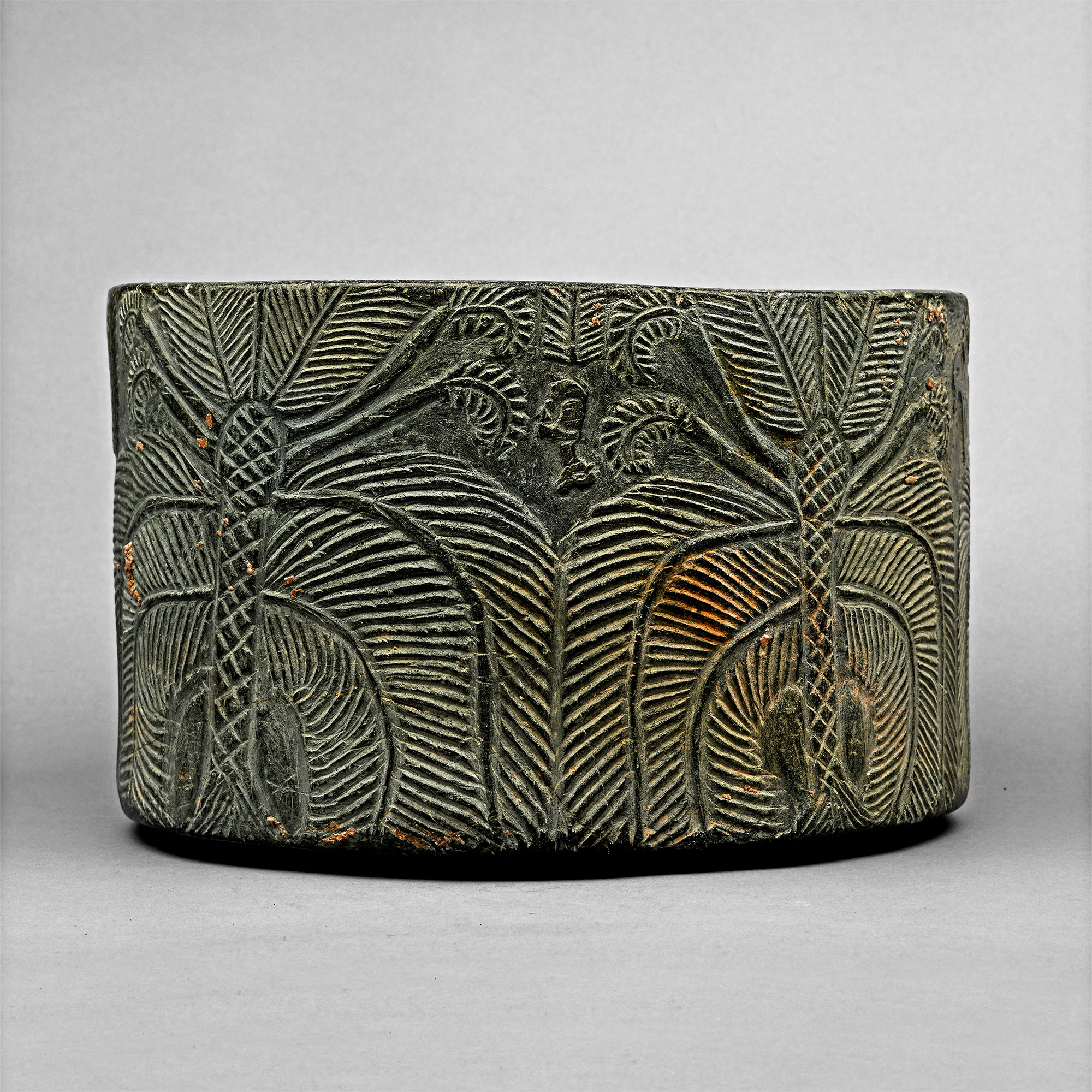
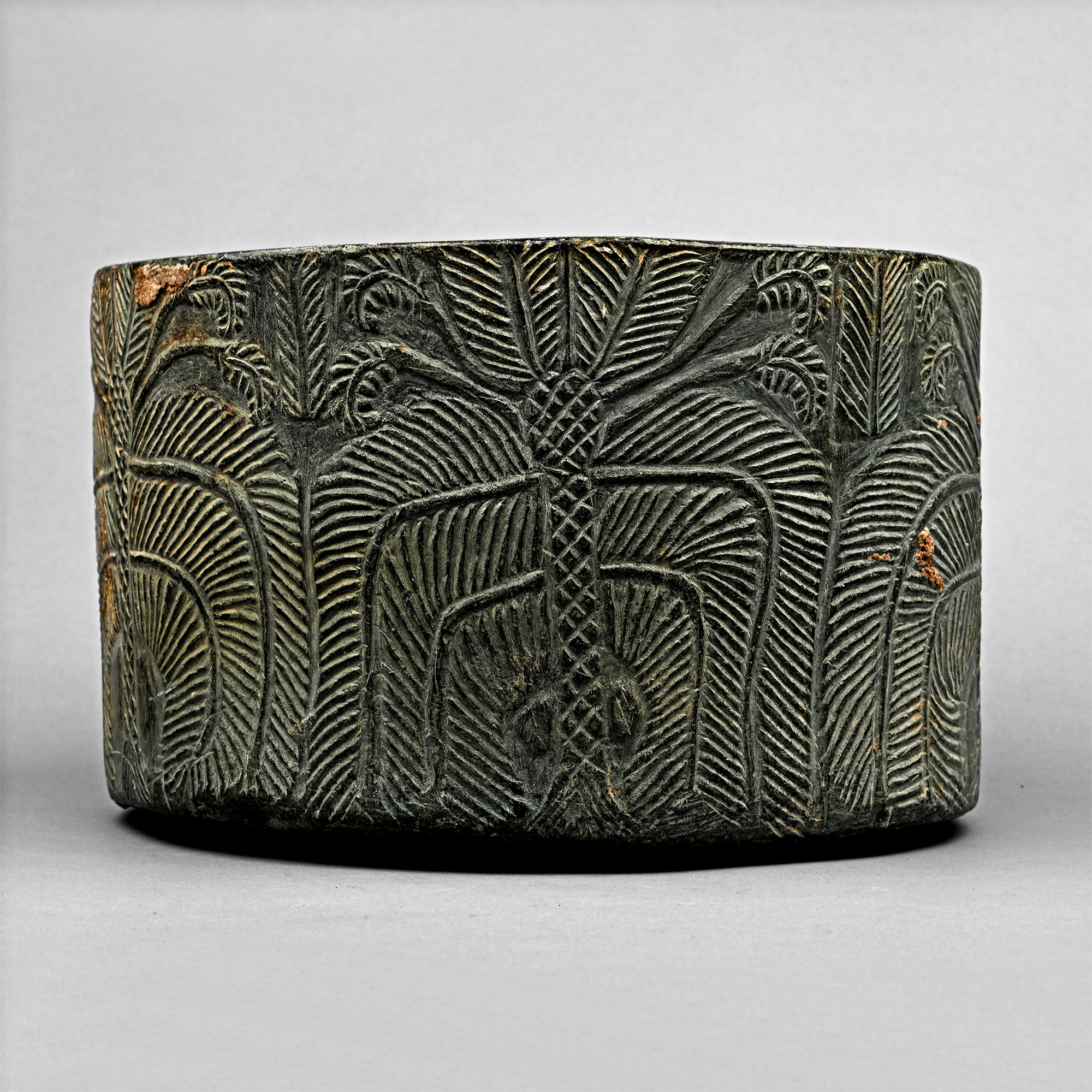
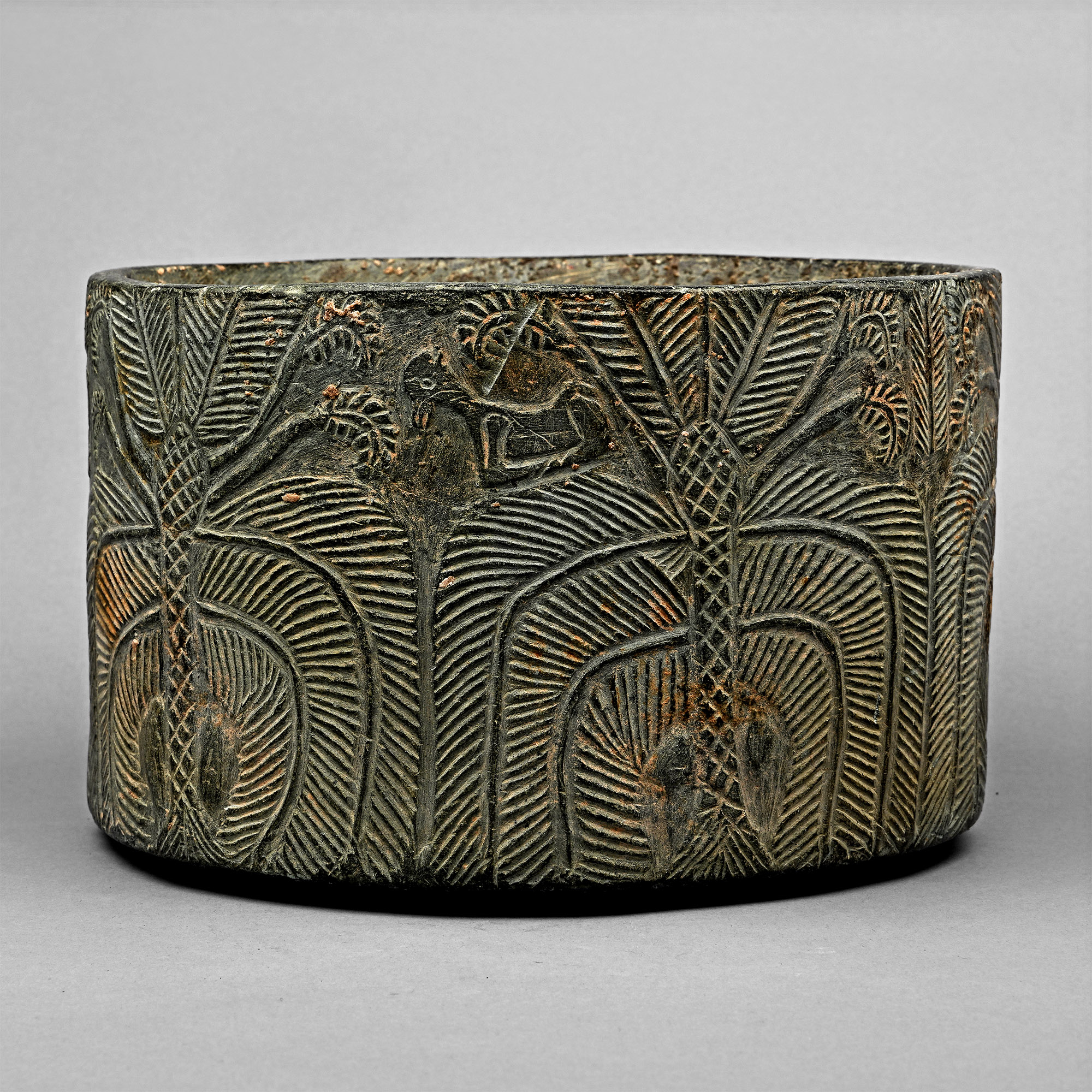
Mesopotamian Steatite Bowl with Animals and Palm Trees
3RD MILLENNIUM B.C.
9 5/8 in. (5.3 kg, 24.5 cm wide).
Drum-shaped steatite vessel with broad flat rim; low-relief frieze to the outer face: dense vegetation panels with hatched treetrunks and fronds, resting quadrupeds, each with the legs folded beneath the body.
ProvenanceAcquired by a Swiss family in the mid-1980s to late 1990s, thence by descent.
Private collection, Switzerland, since the late 1990s.
Accompanied by an academic report by Dr Raffaele D’Amato.
This lot has been checked against the Interpol Database of stolen works of art and is accompanied by search certificate number no.13026-246787.
Cf. Aruz, J. ed., Art Of the First Cities: The Third Millennium B.C. from the Mediterranean to the Indus, The Metropolitan Museum of Art, New York, 2003, p.326, for similar.
FootnotesIn Mesopotamia ancient stone-carvers produced a variety of vessels from soft soapstone (steatite) and pale yellow alabaster, along with jewellery. They include cylindrical boxes, cups, high open-rim vases and a few globular jars. Among it the most prominent products were the cups with tall, slender stalks, apparently intended for religious purposes. The repertoire of motifs of the ‘Intercultural Style’ includes vegetal, architectural, and abstract or naturalistic representations of people and animals, depicted in a carved and inlaid technique.
CONDITIONTimeLine Auctions follows a vetting process to ensure the authenticity and legality of all items, reinforcing our commitment to integrity and responsible trading. Each antiquity, antique, and coin lot undergoes thorough examination by a vetting committee of at least ten external specialists, professional trade association members, scientists, and archaeologists: Our Vetting Process
AUCTIONS:
TimeLine is a leading auction house specialising in antiquities, ancient art, collectables, natural history, coins, medals, and books. Our auctions offer museums, collectors, historians, and enthusiasts the opportunity to acquire unique and historically significant pieces.
LOT 0226
Mesopotamian Steatite Bowl with Animals and Palm Trees
Sold for (Inc. bp): £10,400
-
.jpg)
Neo-Assyrian Terracotta Head of Pazuzu
Circa 8th-6th century B.C.Estimate: £1,000 - 1,400 (+bp*)
Current Winning Bid: £510
Modelled with a grimacing expression and exposed teeth, long horns extending from the brow towards the back of the head; pierced through the rear edge; accompanied by a custom-made display stand. 73 grams, 75 mm (119 grams total, 10.5 cm including stand)
Private Swiss collection, before 2005. Private collection, London. -
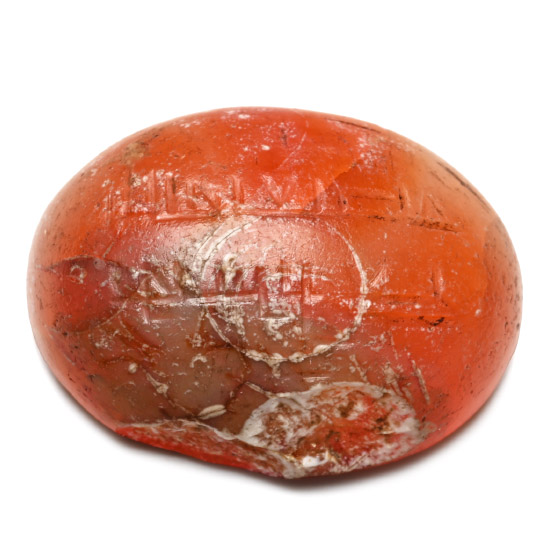
Western Asiatic Carnelian Gemstone with Calligraphic Text
Circa 12th-14th century A.D.Sold for (Inc. bp): £221
Domed type with incuse legend to the upper face in two lines of Naskh script; supplied with a museum-quality impression. 1.25 grams, 15 mm
From the private collection of a European gentleman (1942-2024), formed since the 1970s. -
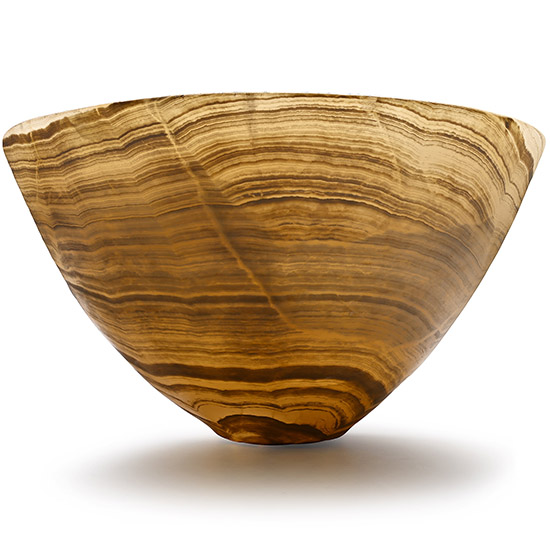
Mesopotamian Alabaster Bowl
2nd-1st millennium B.C.Sold for (Inc. bp): £1,170
Conical with a narrow, slightly rounded base; repaired. 1.66 kg, 22 cm diameter
Acquired in the early 2000s. Private collection, UK. This lot has been checked against the Interpol Database of stolen works of art and is accompanied by a search certificate number no.12705-235147.
