
Loading, please wait...

LOT 1292
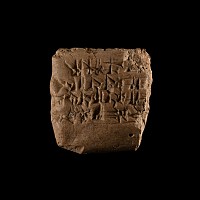
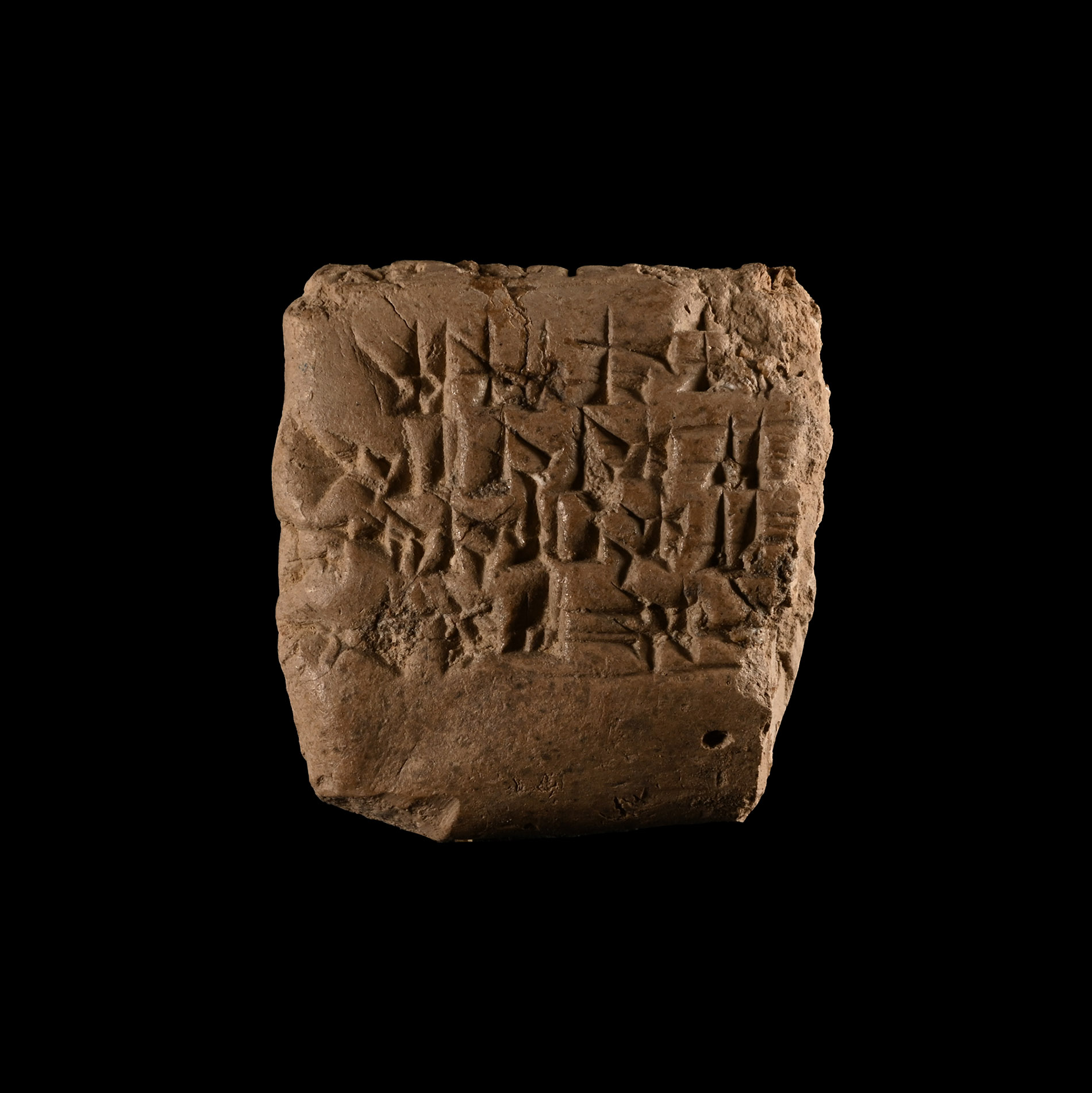
Mesopotamian Cuneiform Tablet Fragment
2ND MILLENNIUM B.C.
1 3/4 in. (31 grams, 44 mm).
Pillow-shaped with impressed cuneiform text to one broad face and one long edge; repaired. [No Reserve]
ProvenanceFrom specialised collection of cuneiform texts, formed in the 1950s-1990s.
The property of a London gentleman and housed in London, thence by descent to family members.
Examined by Professor Wilfrid George Lambert FBA (1926-2011), historian, archaeologist, and specialist in Assyriology and Near Eastern archaeology, in the late 1980s and 1990s.
The collection is exceptional for the variety of types, including some very rare and well preserved examples.
Cf. cuneiform text tablet now in the Metropolitan Museum of Art, New York, under accession no.86.11.282.
CONDITIONTimeLine Auctions follows a vetting process to ensure the authenticity and legality of all items, reinforcing our commitment to integrity and responsible trading. Each antiquity, antique, and coin lot undergoes thorough examination by a vetting committee of at least ten external specialists, professional trade association members, scientists, and archaeologists: Our Vetting Process
AUCTIONS:
TimeLine is a leading auction house specialising in antiquities, ancient art, collectables, natural history, coins, medals, and books. Our auctions offer museums, collectors, historians, and enthusiasts the opportunity to acquire unique and historically significant pieces.
-
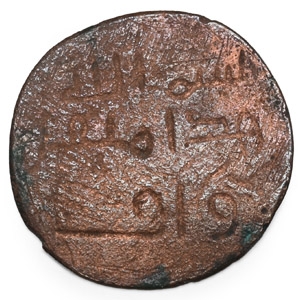
Western Asiatic Bronze Dirham Coin Weight
12th-14th century A.D.Sold for (Inc. bp): £104
Obverse with three lines of impressed script; reverse with one line. 2.8 grams, 24 mm
From the collection of a gentleman, acquired on the London art market in the 1990s. -
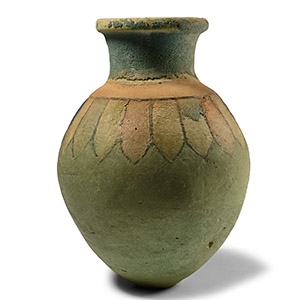
Ziwiye Ceramic Vessel
8th-7th century B.C.Estimate: £600 - 800 (+bp*)
Opening Bid: £300
Biconvex in profile with trumpet-shaped mouth, petal detailing to shoulder. 695 grams, 19 cm
Private collection of a London gentleman, acquired between 1965–2020. -
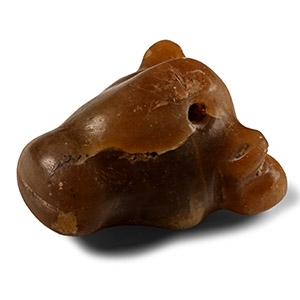
Western Asiatic Agate Bull's Head Pendant
1st millennium B.C.Estimate: £300 - 400 (+bp*)
Opening Bid: £167
Finely carved as a stylised bull's head with short horns and bulbous eyes, incised nostrils and mouth, perforated at the back of the neck for suspension. 28.9 grams, 40 mm
Ex property of the late Mr S.M., London, UK, 1969-1999, thence by descent. Accompanied by a previous typed cataloguing card.
