
Loading, please wait...
LOT 1662
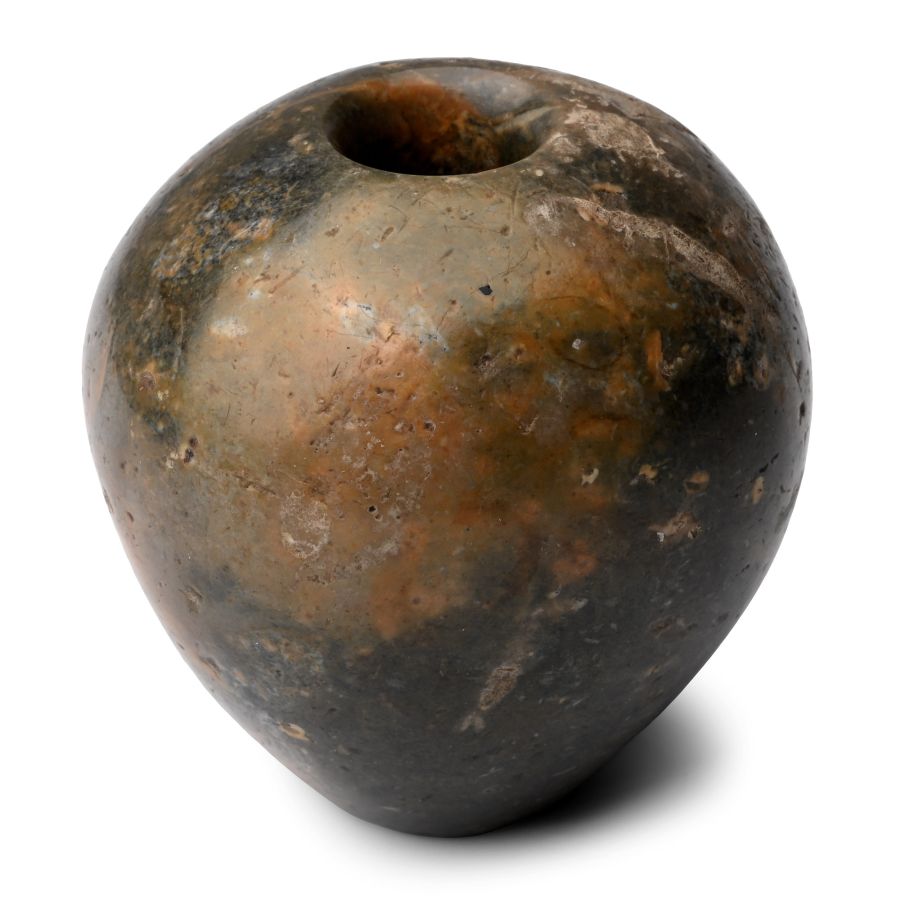
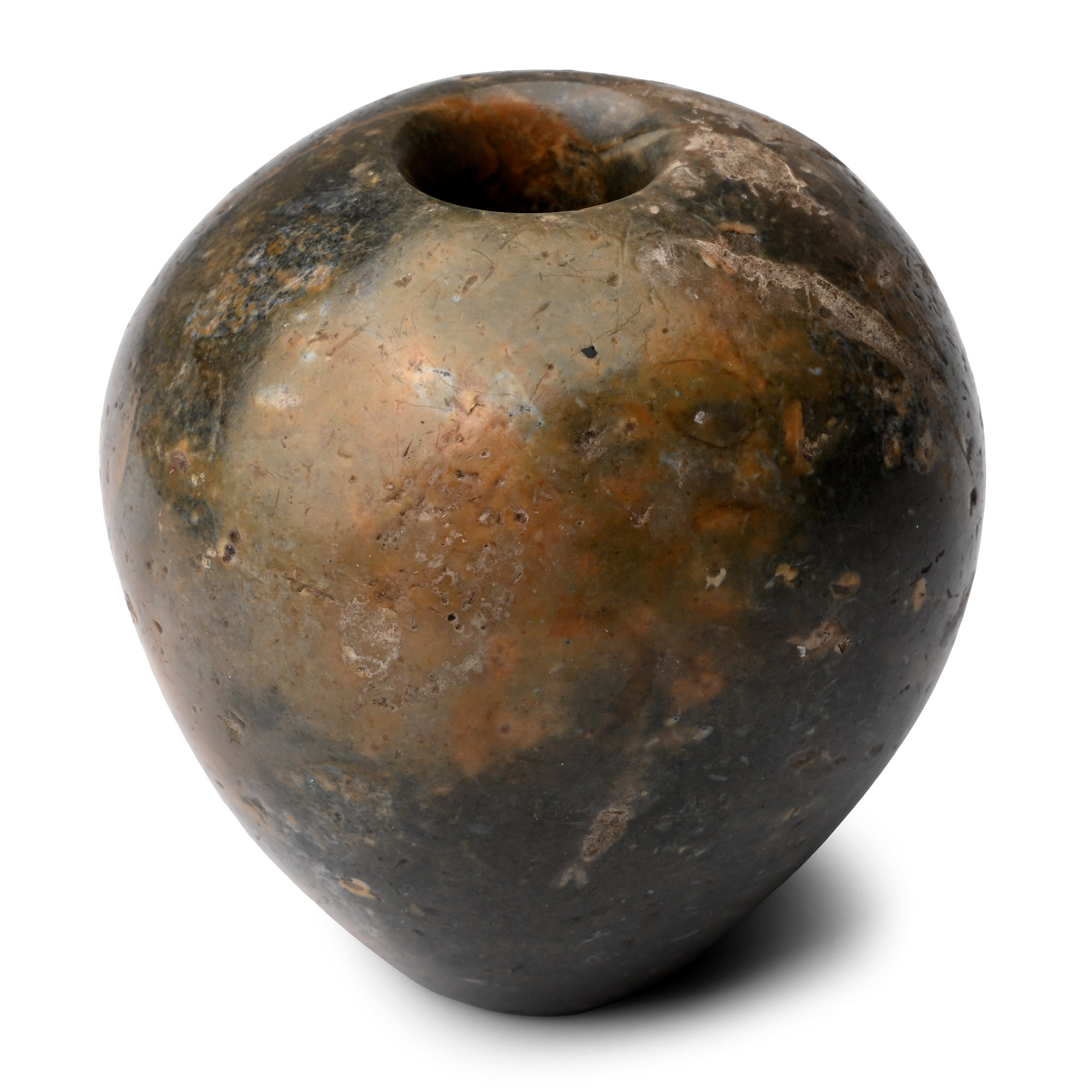
Mesopotamian Carved Stone Macehead
3RD-2ND MILLENNIUM B.C.
2 3/8 in. (232 grams, 59 mm).
Ovoid in form with a circular socket.
ProvenanceAcquired in the late 1980s-early 1990s.
Private collection, London.
TimeLine Auctions follows a vetting process to ensure the authenticity and legality of all items, reinforcing our commitment to integrity and responsible trading. Each antiquity, antique, and coin lot undergoes thorough examination by a vetting committee of at least ten external specialists, professional trade association members, scientists, and archaeologists: Our Vetting Process
AUCTIONS:
TimeLine is a leading auction house specialising in antiquities, ancient art, collectables, natural history, coins, medals, and books. Our auctions offer museums, collectors, historians, and enthusiasts the opportunity to acquire unique and historically significant pieces.
LOT 1662
Mesopotamian Carved Stone Macehead
Estimate £250 - 350€290 - 410 (for guidance only)$340 - 470 (for guidance only)
-

Western Asiatic Assorted Stone Bead Collection
1st millennium B.C. and laterSold for (Inc. bp): £195
Comprising tubular, oblate, barrel-shaped and other beads in agate, amethyst, rock crystal, malachite, and other stones. 22.85 grams total, 10.76-21.85 mm
From the private collection of a European gentleman (1942-2024), formed since the 1970s. -

Western Asiatic Bronze Statuette of a Levantine Cavalryman
7th-4th century B.C.Estimate: £4,000 - 6,000 (‡+bp*)
Opening Bid: £2,000
Modelled in the round figurine of a sturdy horse with saddlecloth and chest-band, bridle and reins, integral rider wearing a Phrygian helmet. 140 grams, 88 mm wide
Formerly in a private collection, Beirut, Lebanon, 1990s. Swiss private collection, acquired from Mr H., Geneva, 2010. Accompanied by an academic report by Dr Raffaele D’Amato. This lot has been checked against the Interpol Database of stolen works of art and is accompanied by search certificate number no.13178-249181.
The figure possibly represents a Phrygian cavalryman of the Persian Achaemenid army. It shows minute details of the harness, with muzzle and snaffle bit, which suggest Assyrian or Syrian in origin. The transversal decoration of the antilina strap remembers that of the Persian cavalry of the period (Cassin Scott, 1977, plate D). -
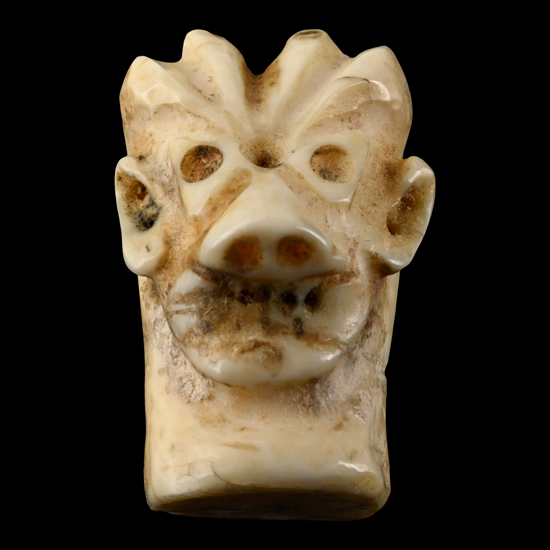
Western Asiatic Bone Pazuzu Amulet
1st millennium B.C.Sold for (Inc. bp): £312
Carved in the round grotesque head with angled snout, triangular eyes, ribbed upper head, frontally-placed ears; possibly Pazuzu. 5.10 grams, 25 mm
From the collection of a gentleman, acquired on the London art market in the 1990s.
