
Loading, please wait...
LOT 0943
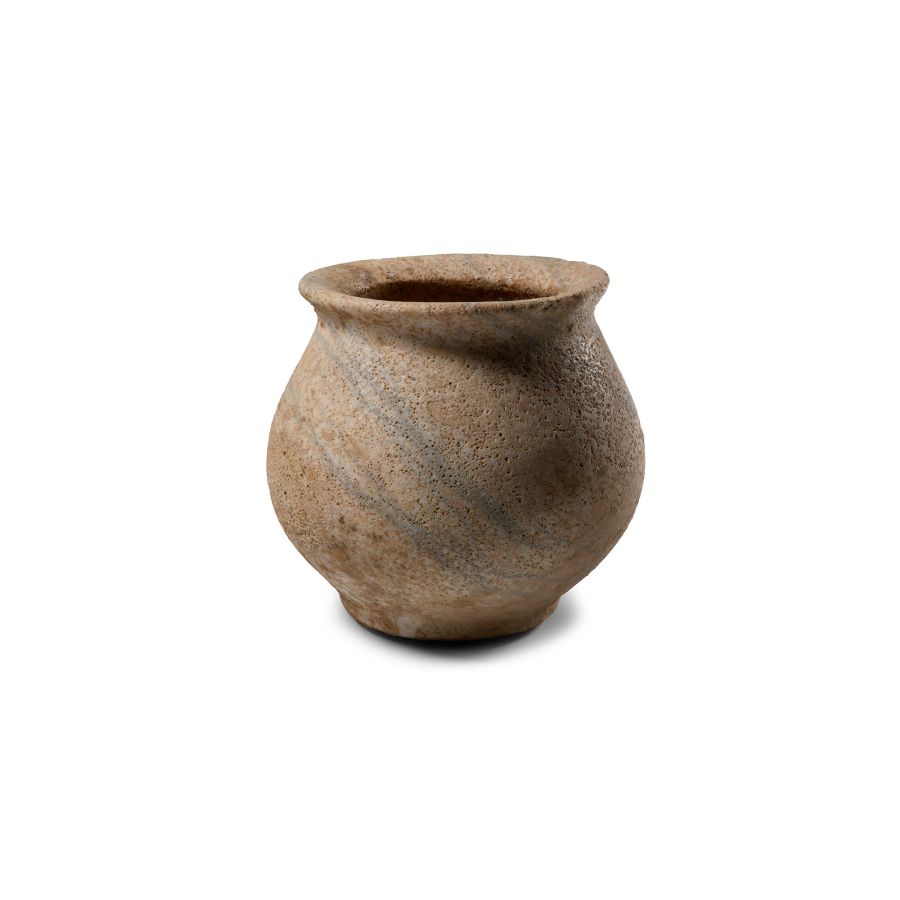
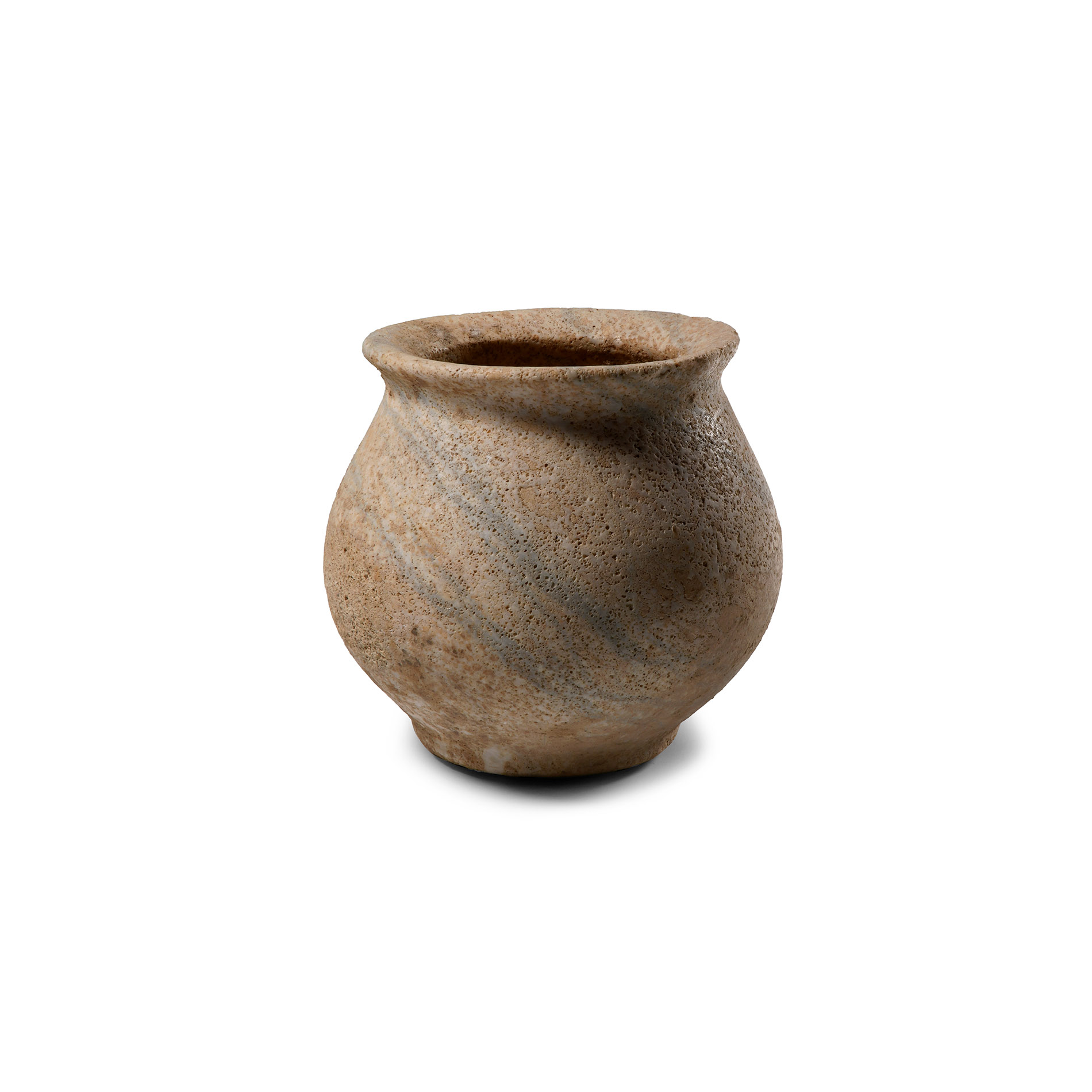
Mesopotamian Alabaster Jar
4TH MILLENNIUM B.C.
3 3/4 in. (528 grams, 9.5 cm high).
With globular body, narrow base, broad flared rim with lip.
ProvenanceEx M. Braham, and Lord McAlpine collections, 1980-1990.
CONDITIONTimeLine Auctions follows a vetting process to ensure the authenticity and legality of all items, reinforcing our commitment to integrity and responsible trading. Each antiquity, antique, and coin lot undergoes thorough examination by a vetting committee of at least ten external specialists, professional trade association members, scientists, and archaeologists: Our Vetting Process
AUCTIONS:
TimeLine is a leading auction house specialising in antiquities, ancient art, collectables, natural history, coins, medals, and books. Our auctions offer museums, collectors, historians, and enthusiasts the opportunity to acquire unique and historically significant pieces.
-
.jpg)
Ur III Clay Cuneiform Tablet
Circa 3400 B.C.Sold for (Inc. bp): £1,300
Of rectangular form, bearing text to both principal faces and three side edges; repaired. 141 grams, 94 cm
Specialised collection of cuneiform texts, the property of a London gentleman and housed in London before 1992. Thence by descent to family members. Examined by Professor Wilfrid George Lambert FBA (1926-2011), historian, archaeologist, and specialist in Assyriology and Near Eastern archaeology, in the late 1980s and early 1990s. The collection is exceptional for the variety of types, including some very rare and well preserved examples. -
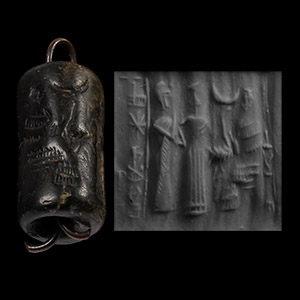
Western Asiatic Haematite Cylinder Seal with Presentation Scene for En-Nanna
2nd-1st millennium B.C.Sold for (Inc. bp): £338
With large central hole, incised frieze of a seated figure receiving an offering from a figure in floor-length pleated garment, second figure behind him in a fringed robe, column of cuneiform text to the rear: En-Nanna, [son of ] ... is your servant. 8.24 grams, 33 mm
Acquired 1970s-1996. Property of a North American collector; collection no.065. London collection, 2016. -
.jpg)
Large Bactrian Bronze Armlet Pair
2nd millennium B.C.Estimate: £2,000 - 3,000 (+bp*)
Opening Bid: £800
Each armlet composed of a substantial round-section penannular hoop, both terminals formed as stylised opposed animal heads, ring-and-dot motifs representing the eyes and highlighting other anatomical detailing, together with dashes, dimples, chevrons and crescents. 1.2 kg total, 13.4 mm wide each
with a London, UK gallery, 1971-early 2000s. This lot has been checked against the Interpol Database of stolen works of art and is accompanied by search certificate number no.11873-206890.
