
Loading, please wait...
LOT 0957
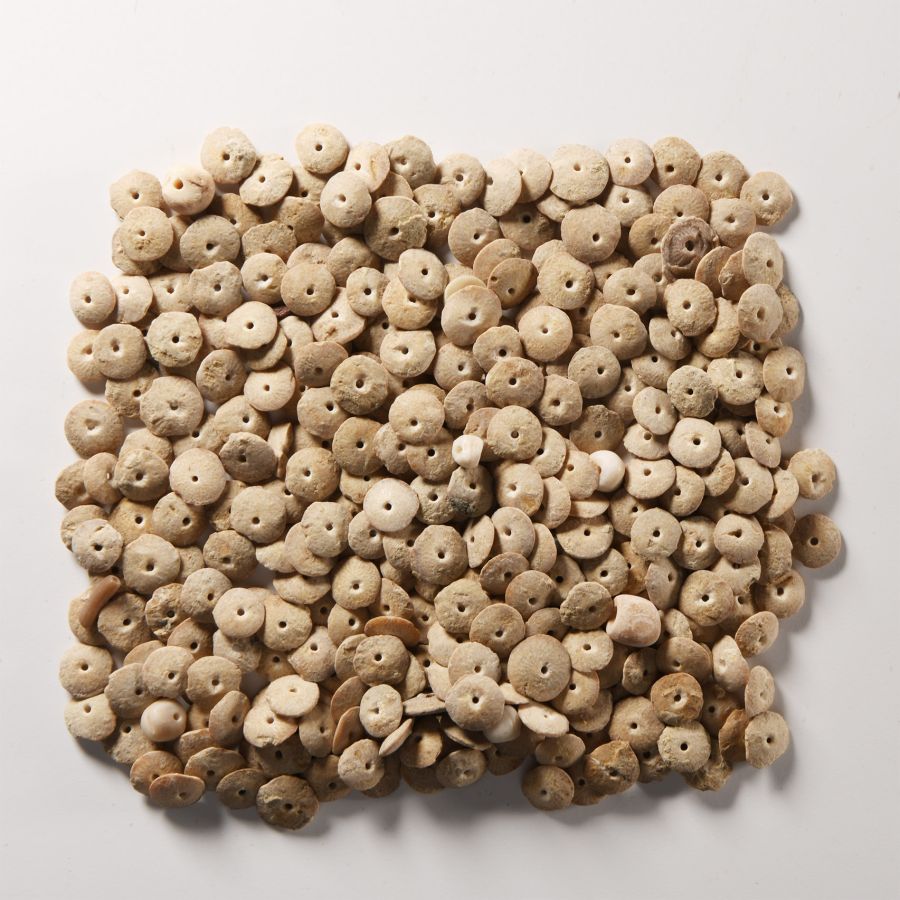
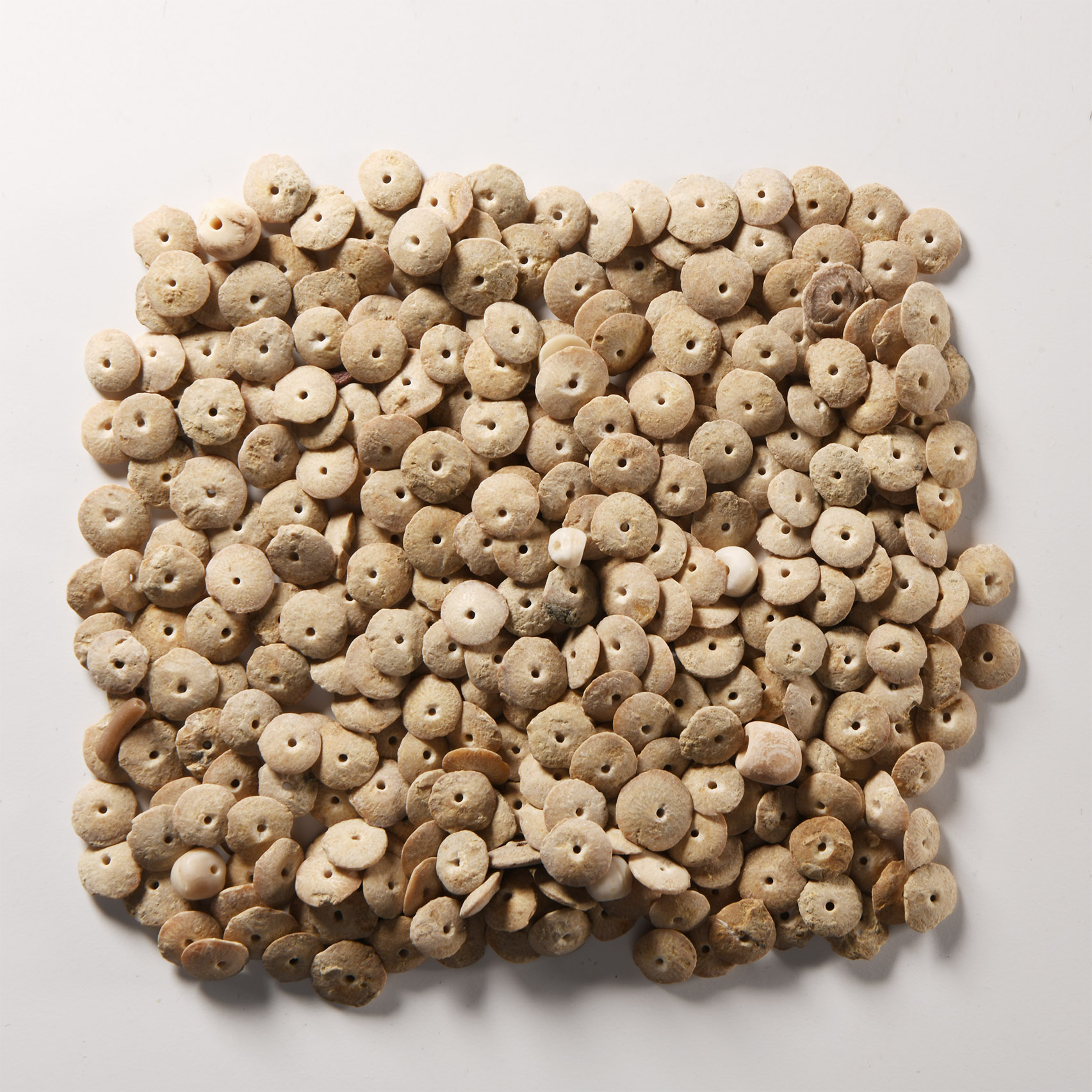
Mesopotamian Alabaster Disc Necklace Bead Group
CIRCA 4TH MILLENNIUM B.C.
1/8 - 3/8 in. (60 grams total, 3-9 mm).
Comprising a quantity of disc-shaped beads, each pierced for stringing. [No Reserve]
ProvenanceUK gallery, early 2000s.
CONDITIONTimeLine Auctions follows a vetting process to ensure the authenticity and legality of all items, reinforcing our commitment to integrity and responsible trading. Each antiquity, antique, and coin lot undergoes thorough examination by a vetting committee of at least ten external specialists, professional trade association members, scientists, and archaeologists: Our Vetting Process
AUCTIONS:
TimeLine is a leading auction house specialising in antiquities, ancient art, collectables, natural history, coins, medals, and books. Our auctions offer museums, collectors, historians, and enthusiasts the opportunity to acquire unique and historically significant pieces.
-
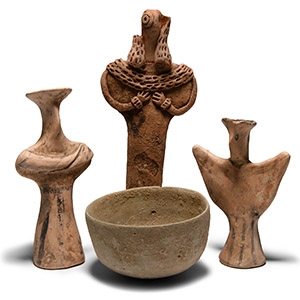
Western Asiatic and Other Terracotta Bowl and Fertility Figure Group
Circa 3000 B.C. and laterSold for (Inc. bp): £520
Comprising: Mycenaean standing terracotta figure with flared base, applied arms, collar, eyes and hair; standing figure with pinched features, applied collar, dished panel above the head, black and ochre paint detailing; Mycenaean psi-shaped standing figure with splayed 'wings' applied hair to reverse, black and red painted detailing; small bowl with rounded underside. 373 grams total, 8.4 - 17.5 cm
Some collected from 1970-1999. From the collection of the late Mr S.M., London, UK. Property of a North London gentleman. -
.jpg)
Bactrian Bronze Plaque with Figural Scene
Circa 2000 B.C.Estimate: £400 - 600 (+bp*)
Opening Bid: £200
Of rectangular form, two stylised figures depicted frontally, an animal in profile above the smaller figure. 139 grams, 91 mm
Collected from 1969-1999. From the collection of the late Mr S.M., London, UK. -
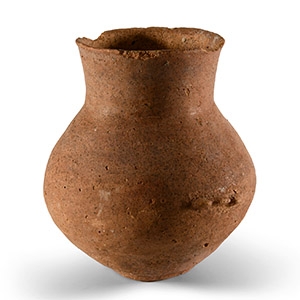
Canaanite Terracotta Cup
Bronze Age, 3500-2300 B.C.Sold for (Inc. bp): £111
Biconical jar with broad flared neck, two lateral ledge handles to the equator. 229 grams, 11 cm high
Acquired in London, UK, in the early 2000s. Private collection, Harwich, Essex, UK.
