
Loading, please wait...


LOT 1384
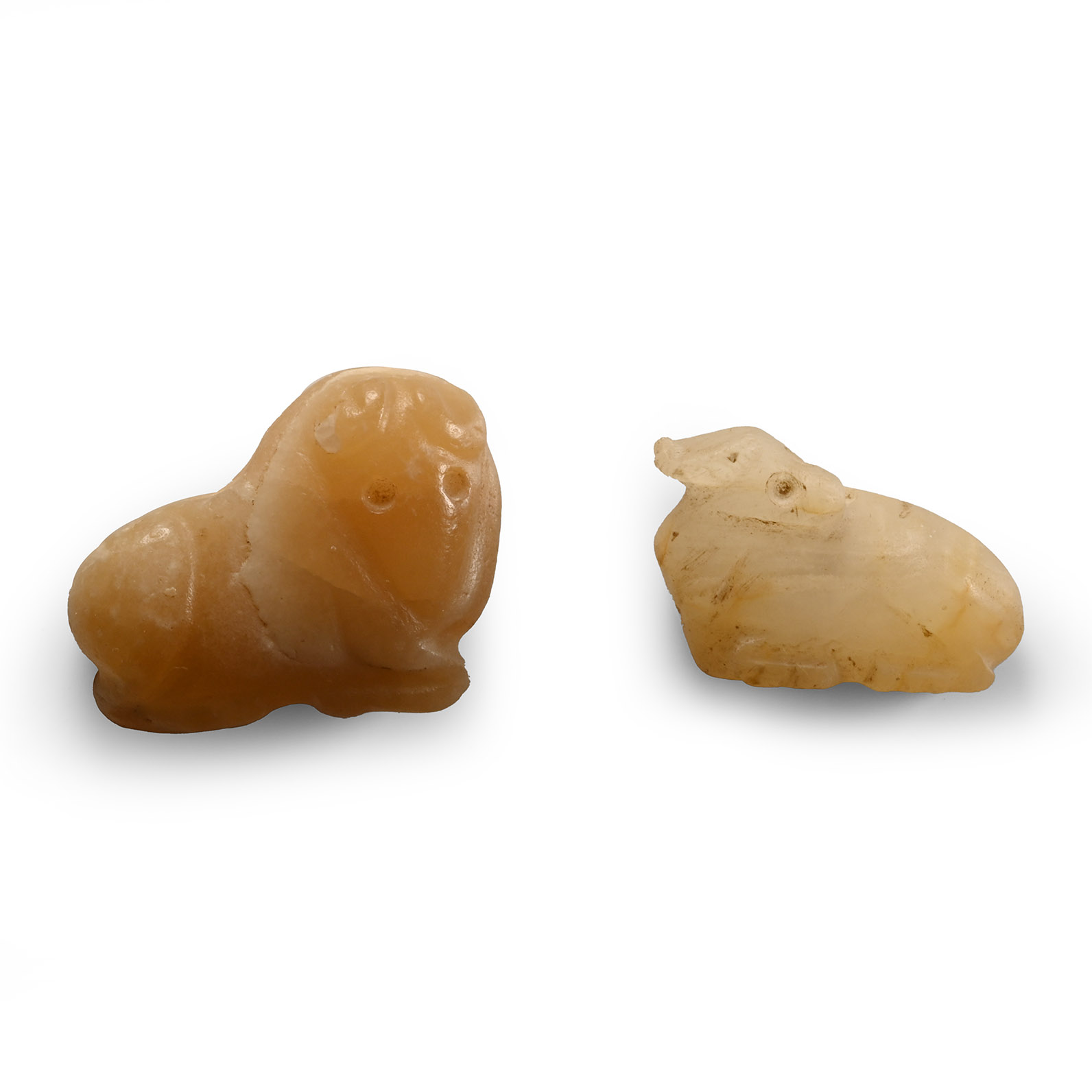
Mesopotamian Alabaster Animal Amulets
2ND-1ST MILLENNIUM B.C.
1 - 1 1/4 in. (20.6 grams total, 27-32 mm).
Each a reclining beast, a lion and ram pierced at the shoulders. [2]
ProvenanceFrom the private collection of Mr K.A., acquired in the 1990s-early 2000s.
This lot has been cleared against the Art Loss Register database, and is accompanied by an illustrated lot declaration signed by the Head of the Antiquities Department, Dr Raffaele D'Amato.
TimeLine Auctions follows a vetting process to ensure the authenticity and legality of all items, reinforcing our commitment to integrity and responsible trading. Each antiquity, antique, and coin lot undergoes thorough examination by a vetting committee of at least ten external specialists, professional trade association members, scientists, and archaeologists: Our Vetting Process
AUCTIONS:
TimeLine is a leading auction house specialising in antiquities, ancient art, collectables, natural history, coins, medals, and books. Our auctions offer museums, collectors, historians, and enthusiasts the opportunity to acquire unique and historically significant pieces.
-
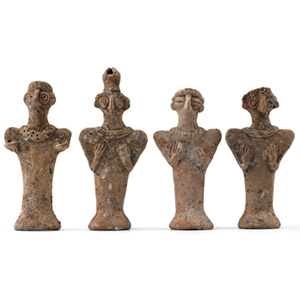
Syro-Hittite Terracotta Fertility Idol Collection
1st millennium B.C.Sold for (Inc. bp): £442
Each a standing female with hands clasped to the breasts, applied collar, pinched facial details. 201 grams total, 10-11 cm
Fine condition.
From the collection of a European lady; part of a private collection formed in Germany in the 1990s. From the private collection of John Meredith, acquired since the 1990s; thence by descent. This lot has been cleared against the Art Loss Register database, and is accompanied by an illustrated lot declaration signed by the Head of the Antiquities Department, Dr Raffaele D'Amato. -
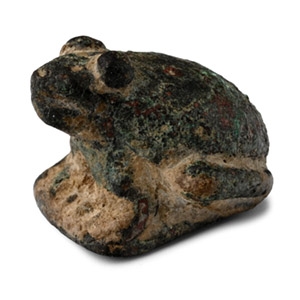
Old Babylonian Bronze Frog Weight
Circa 2400-1700 B.C.Estimate: £2,000 - 3,000 (‡+bp*)
Opening Bid: £1,000
Modelled in the round with anatomical detailing, undercut between legs and stomach; feet forming a wedge-shaped panel. 24.6 grams, 22 mm
Private collection of Contessa L.J., since the 1980s. Private collection, acquired in 2001. This lot has been checked against the Interpol Database of stolen works of art and is accompanied by a search certificate number no.12898-241690. This lot has been cleared against the Art Loss Register database, and is accompanied by an illustrated lot declaration signed by the Head of the Antiquities Department, Dr Raffaele D'Amato. -
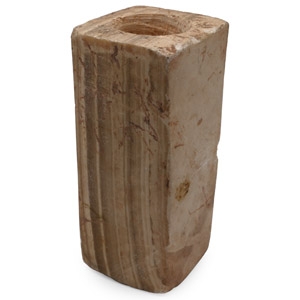
Mesopotamian Stone Vessel
1st millennium B.C.Sold for (Inc. bp): £117
Square in section and rectangular in profile with slight flare to the upper end, drilled socket. 441 grams, 10 cm high
From a collection formed before 1990. Ex Mayfair, London, UK, gallery, 2000s. This lot has been cleared against the Art Loss Register database, and is accompanied by an illustrated lot declaration signed by the Head of the Antiquities Department, Dr Raffaele D'Amato.
