
Loading, please wait...

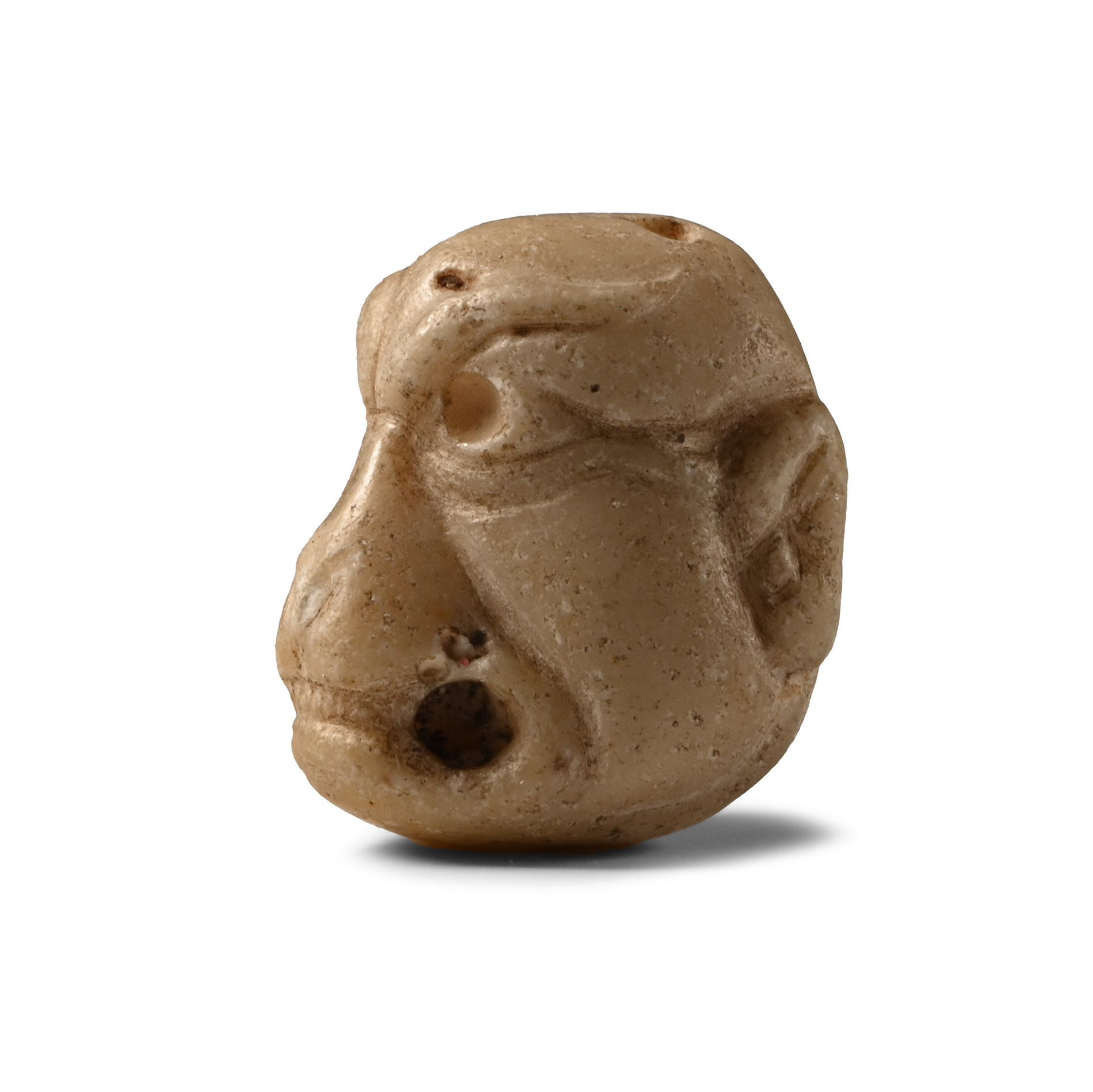
LOT 1454
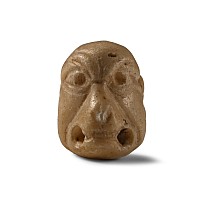
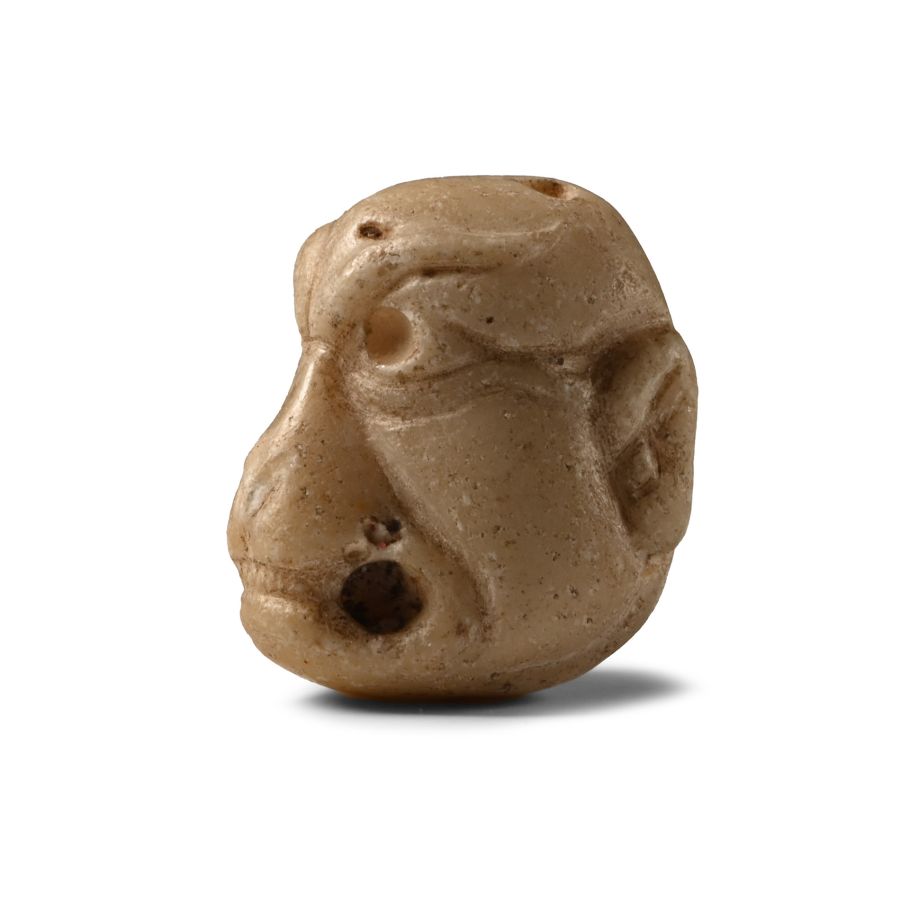
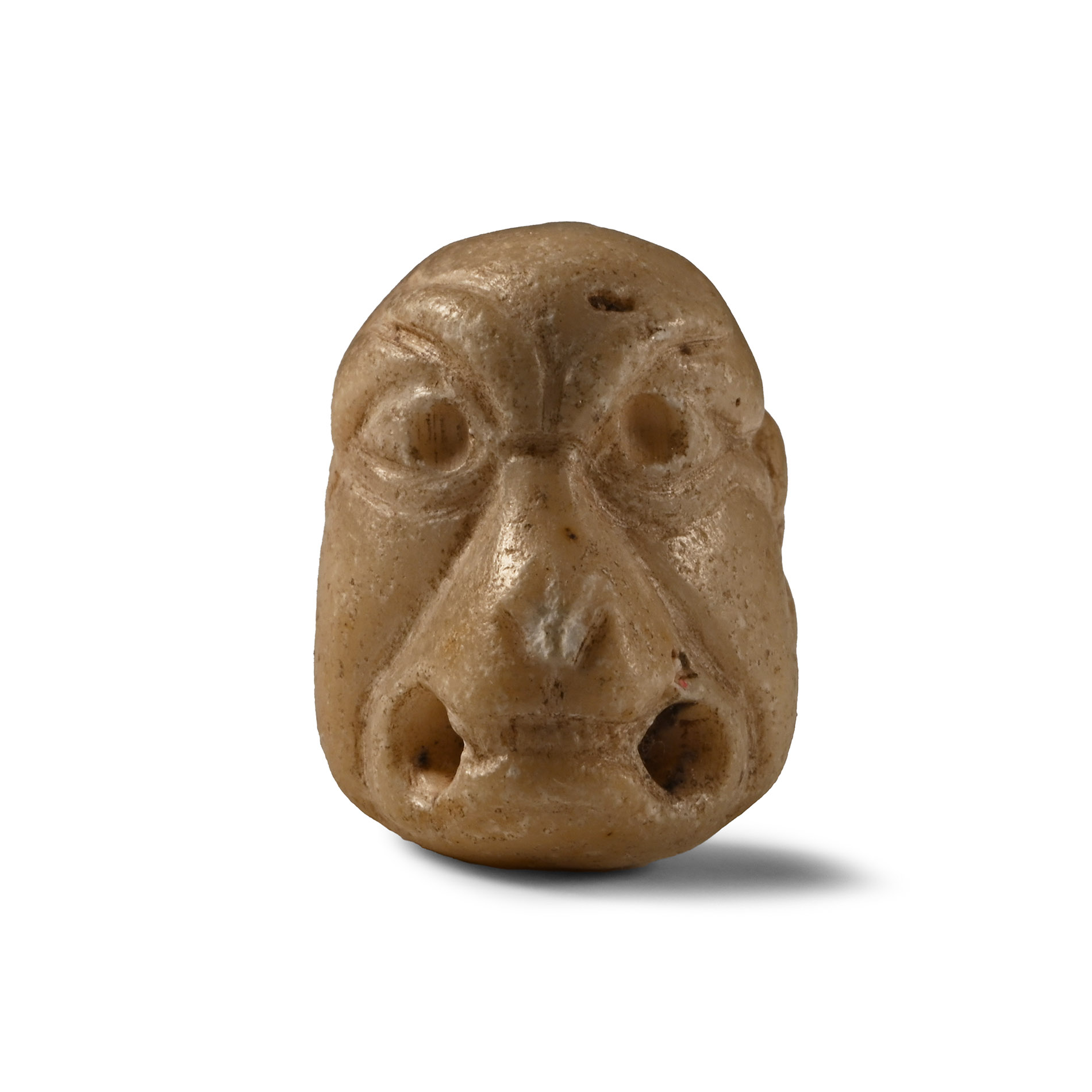
Mesopotamian Alabaster Amulet of Humbaba
CIRCA 800-600 B.C.
3/4 in. (4.13 grams, 18 mm).
Modelled in the round with animal-like features and grimacing expression, drilled eyes and string eyebrows; perforated through the head and mouth.
ProvenanceEx property of the late Mr S.M., London, UK, 1970-1990s, thence by descent.
Accompanied by a previous typed cataloguing card.
This lot has been cleared against the Art Loss Register database, and is accompanied by an illustrated lot declaration signed by the Head of the Antiquities Department, Dr Raffaele D'Amato.
TimeLine Auctions follows a vetting process to ensure the authenticity and legality of all items, reinforcing our commitment to integrity and responsible trading. Each antiquity, antique, and coin lot undergoes thorough examination by a vetting committee of at least ten external specialists, professional trade association members, scientists, and archaeologists: Our Vetting Process
AUCTIONS:
TimeLine is a leading auction house specialising in antiquities, ancient art, collectables, natural history, coins, medals, and books. Our auctions offer museums, collectors, historians, and enthusiasts the opportunity to acquire unique and historically significant pieces.
-
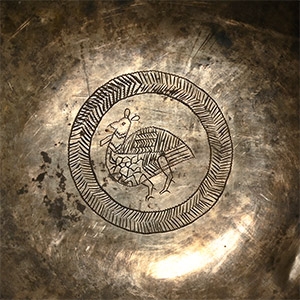
Sasanian Silver Bowl with Incised Bird
3rd-7th century A.D.Estimate: £1,800 - 2,400 (+bp*)
Opening Bid: £1,000
Hemispherical in section with rolled rim, incised ring below rim with ring-and-dot motifs, fluted body; central tondo with punched and later engraved wreath enclosing a perching bird. 356 grams, 16.5 cm
Acquired before 1983. Ex London gallery, 1990s. This lot has been checked against the Interpol Database of stolen works of art and is accompanied by a search certificate number no.12544-231943. This lot has been cleared against the Art Loss Register database, and is accompanied by an illustrated lot declaration signed by the Head of the Antiquities Department, Dr Raffaele D'Amato. -
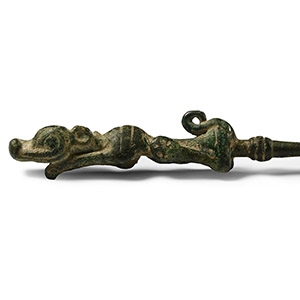
Western Asiatic Bronze Zoomorphic Pin
1st millennium B.C.Sold for (Inc. bp): £338
With head formed as a crouching dog with head resting on the forelegs; looped tail. 22.5 grams, 15.5 cm
Acquired on the UK art market 1979-1983. This lot has been cleared against the Art Loss Register database, and is accompanied by an illustrated lot declaration signed by the Head of the Antiquities Department, Dr Raffaele D'Amato. -
.jpg)
Jade Plaque with Inscription
Probably Indian, 19th-20th century A.D.Sold for (Inc. bp): £234
Heart-shaped plaque with long drilled suspension bar above, obverse with nine lines of maghribi script. 41 grams, 73 mm
with a London, UK gallery, 1971-early 2000s. This lot has been cleared against the Art Loss Register database, and is accompanied by an illustrated lot declaration signed by the Head of the Antiquities Department, Dr Raffaele D'Amato.
