
Loading, please wait...
LOT 1089
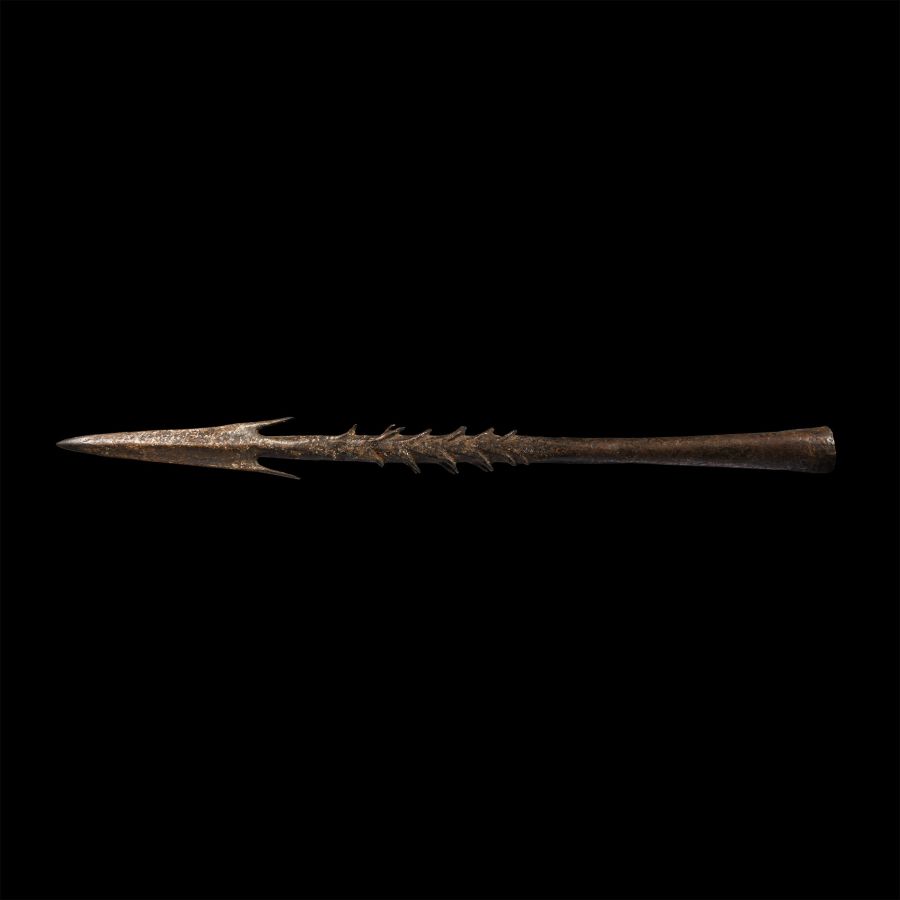
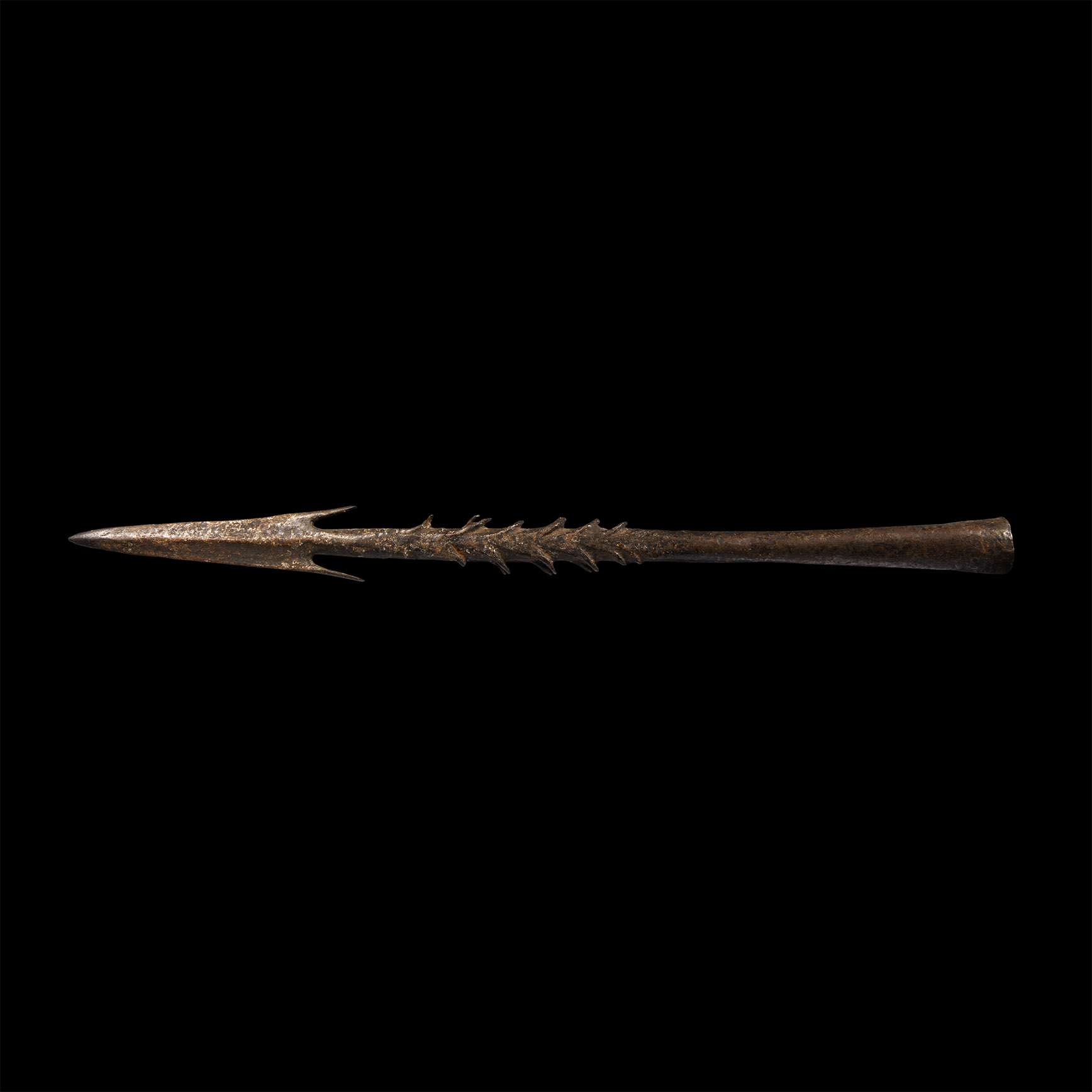
Medieval Socketted Catapult Dart
14TH-16TH CENTURY A.D.
9 7/8 in. (83 grams, 25 cm).
An iron catapult dart formed with a tapering cylindrical socket and rectangular-section neck with barbs, barbed triangular head with full-length medial rib to both faces.
ProvenanceAcquired before 2000.
From the collection of a European gentleman living in the UK.
TimeLine Auctions follows a vetting process to ensure the authenticity and legality of all items, reinforcing our commitment to integrity and responsible trading. Each antiquity, antique, and coin lot undergoes thorough examination by a vetting committee of at least ten external specialists, professional trade association members, scientists, and archaeologists: Our Vetting Process
AUCTIONS:
TimeLine is a leading auction house specialising in antiquities, ancient art, collectables, natural history, coins, medals, and books. Our auctions offer museums, collectors, historians, and enthusiasts the opportunity to acquire unique and historically significant pieces.
-
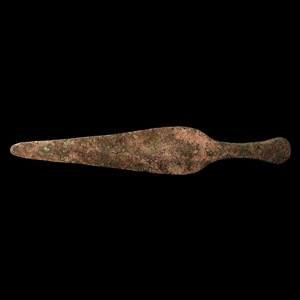
Western Asiatic Dagger with Integral Hilt
3rd-2nd millennium B.C.Estimate: £100 - 140 (+bp*)
Opening Bid: £50
A cast dagger with leaf-shaped blade, round-section grip with wide flat tang and lobe pommel. 740 grams, 40 cm
Fine condition.
Abelita family collection, 1980-2015. -
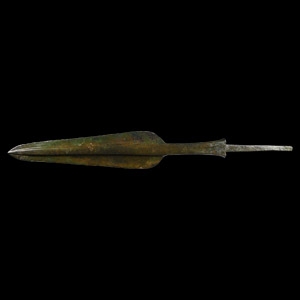
Amlash Type Spearhead
13th-11th century B.C.Sold for (Inc. bp): £234
A bronze tanged spearhead with heavily ridged and tapered blade with short collared shaft and square section tapered tang of recangular section. 436 grams, 40 cm
Acquired 1980-2015. Ex Abelita family collection.
The weapon belongs to the type 1 of the spearhead classification by Khorasani, mainly from Marlik or Amlash areas. Similar pieces have been dated by Stutzinger to 1200-1100 B.C. -
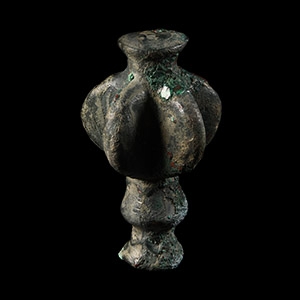
Western Asiatic Flanged Macehead
Late 3rd millennium B.C.Sold for (Inc. bp): £104
A cylindrical bronze macehead with five D-shaped flanges to the circumference; socket to base. 131 grams, 80 mm
Early 1990s London collection. Acquired on the UK art market. From a private collection, Lancashire, UK.
Bronze maces with a long bronze tubular sleeve appeared in Mesopotamia from the last third of the 3rd millennium B.C., apparently being of Palestinian origin. This type of mace was then spread to Elam and from there to India.
