
Loading, please wait...
LOT 1673
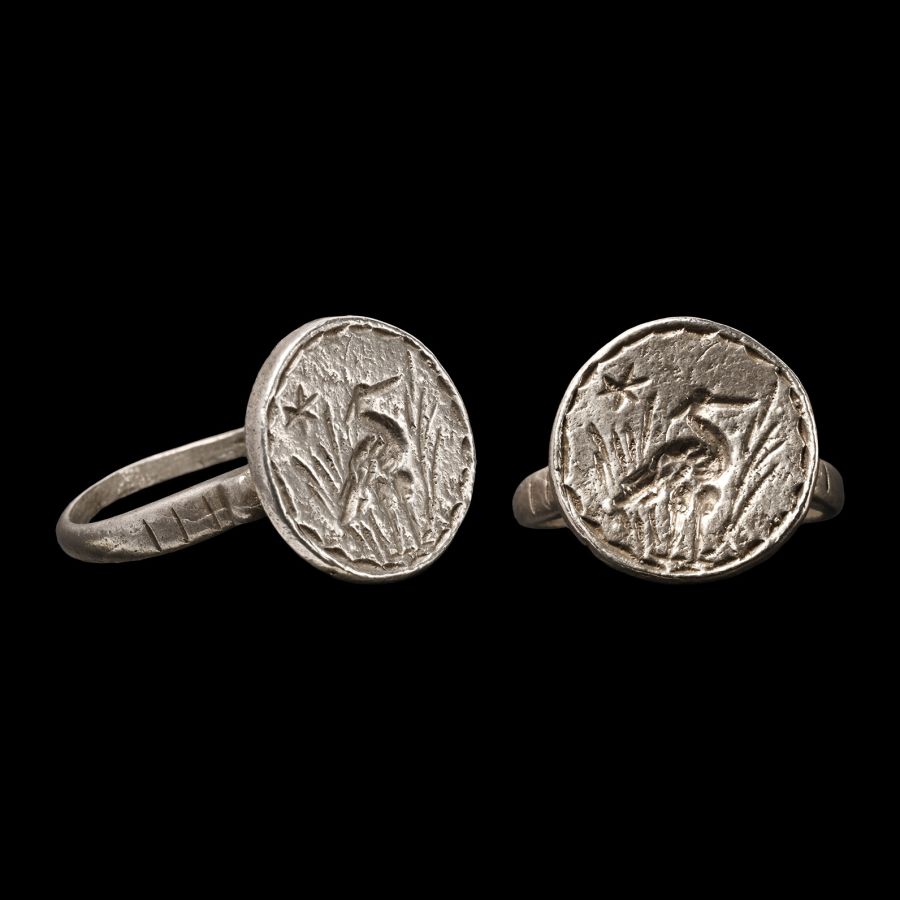
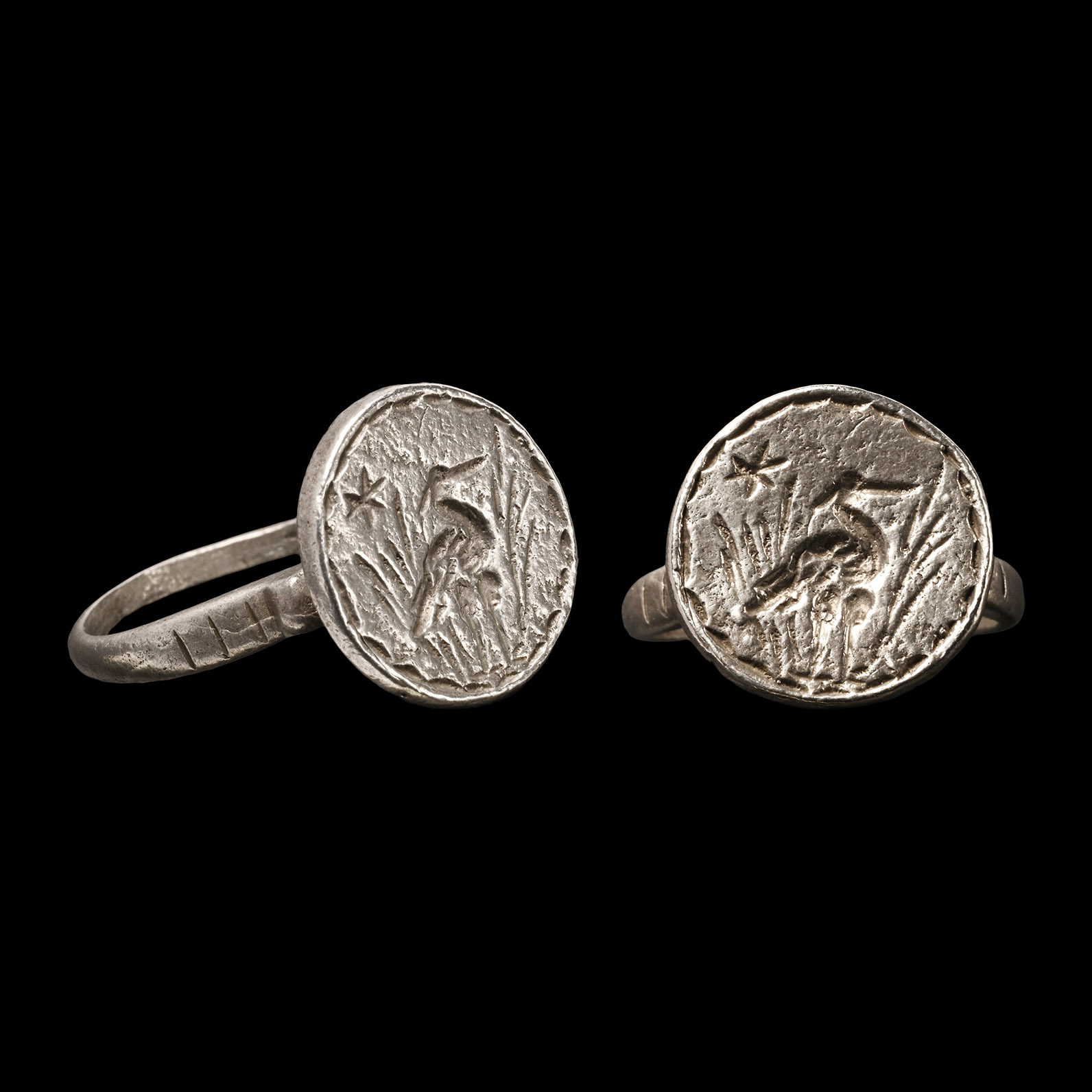
Medieval Silver Signet Ring with Stork
15TH-16TH CENTURY A.D.
1 in. (9.74 grams, 26.09 mm overall, 18.06 mm internal diameter (approximate size British M 1/2, USA 6 1/4, Europe 13.09, Japan 12)).
With spurs to the shoulders, trumpet-shaped bezel, intaglio design of a stork amid reeds with a star above. [No Reserve]
ProvenanceFrom the collection of Alan Hardcastle.
Ex property of an Essex gentleman.
Ex private Merseyside, UK, collection.
Cf. Chadour, A.B., Rings. The Alice and Louis Koch Collection, volume I, Leeds, 1994, item 643, for type.
CONDITIONTimeLine Auctions follows a vetting process to ensure the authenticity and legality of all items, reinforcing our commitment to integrity and responsible trading. Each antiquity, antique, and coin lot undergoes thorough examination by a vetting committee of at least ten external specialists, professional trade association members, scientists, and archaeologists: Our Vetting Process
AUCTIONS:
TimeLine is a leading auction house specialising in antiquities, ancient art, collectables, natural history, coins, medals, and books. Our auctions offer museums, collectors, historians, and enthusiasts the opportunity to acquire unique and historically significant pieces.
-
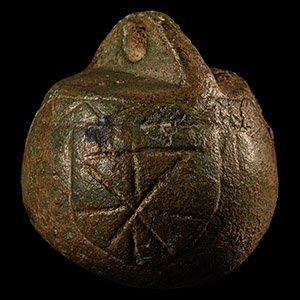
Medieval Bronze Steelyard Weight with Heraldic Shields
Circa 1260-1300 A.D.Sold for (Inc. bp): £442
Heavy with a lead core, spherical in form with pierced flange for suspension above and hatched band to the shoulder; an unusal unofficial copy with three heater shields with raised heraldic arms spaced equally around the body, etched geometric band of chevrons above. 615 grams, 56 mm
Ex Simmons Gallery, London E11, UK, in the 1990s. From a North London collection.
These heraldic steelyard weights were originally made under the official sanction of Richard (brother of King Henry III) or Edmund, Duke of Cornwall on behalf of the King; Edmund died in 1300 A.D. and such weights were banned in 1350. This example would most likely have been made unofficially towards the end of the period 1260-1300 A.D. The Hanseatic League was created in Germany to protect the interests and privileges of merchants in the medieval period, starting in Europe and with influence spreading to England from the 13th century. -
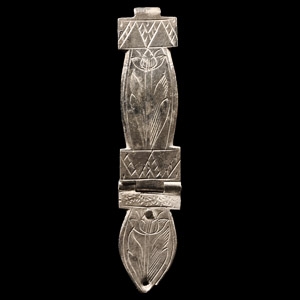
Medieval Complete Silver Vellum Manuscript Clasp
1400-1600 A.D.Sold for (Inc. bp): £117
The baluster-shaped plate with hooked clasp to one edge and engraved with a tulip-like design with chevrons either side; articulate leaf-shaped terminal engraved with a similar floral motif; two rivet holes with one remaining rivet; maker's mark 'II' or 'H' stamped to reverse. 4.97 grams, 59 mm
Found whilst searching with a metal detector near Deighton, Yorkshire, UK, on 1st October 2017 by Mr David Brooks. Accompanied by a copy of the British Museum's Portable Antiquities Scheme (PAS) report no.YORYM-C84DCC. Declared and disclaimed as Treasure with reference no.2017 T908. Accompanied by a copy of the Report for HM Coroner with reference no.2017 T908. Accompanied by a copy of a letter from the British Museum regarding the proposed return of the find.
A Howsam clasp type A.5.1. -
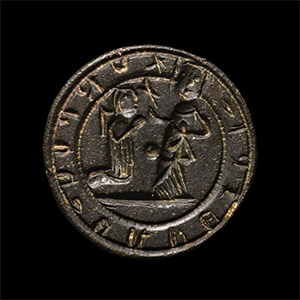
Large Medieval Bronze Seal Matrix with Scene Showing Robed Figures
14th-15th century A.D.Estimate: £200 - 300 (+bp*)
Opening Bid: £111
With facetted stem and pierced pentagonal finial, incised orientation cross to top face; circular die with outer rim bearing enigmatic legend; standing robed figure with one hand extended towards a kneeling hooded figure. 15.5 grams, 25.3 mm
Fine condition.
Acquired 1970s. Ex UK collection. Property of a Hampshire, UK gentleman.
