
Loading, please wait...
LOT 1871
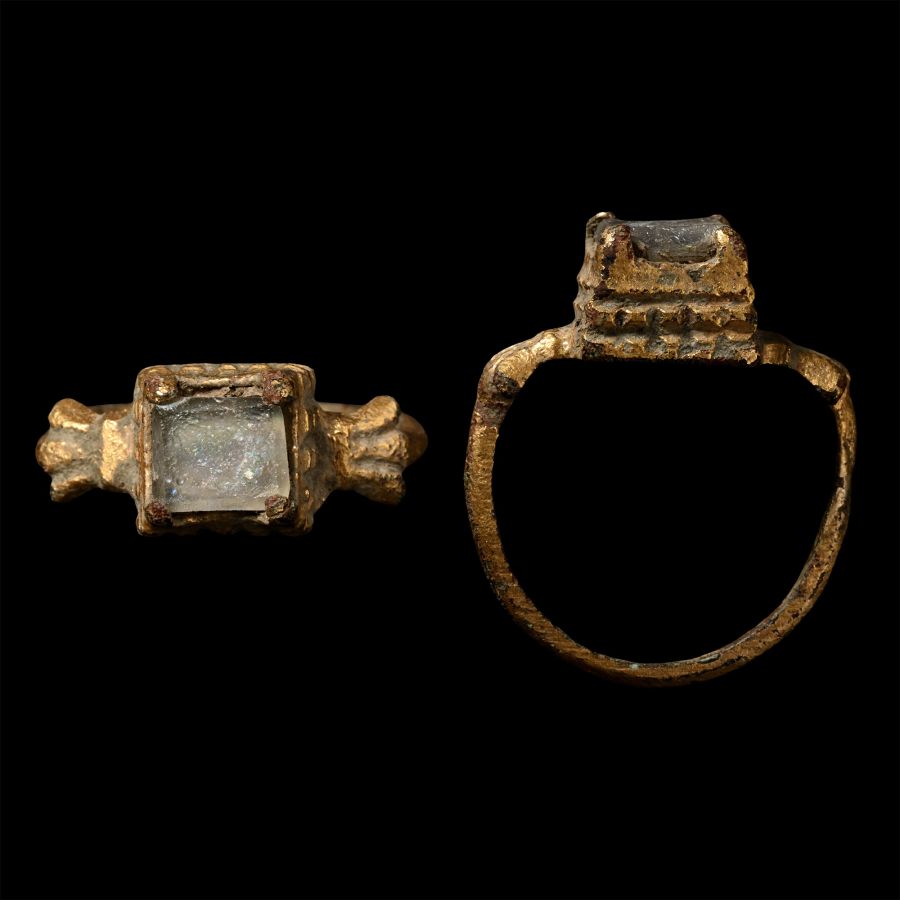
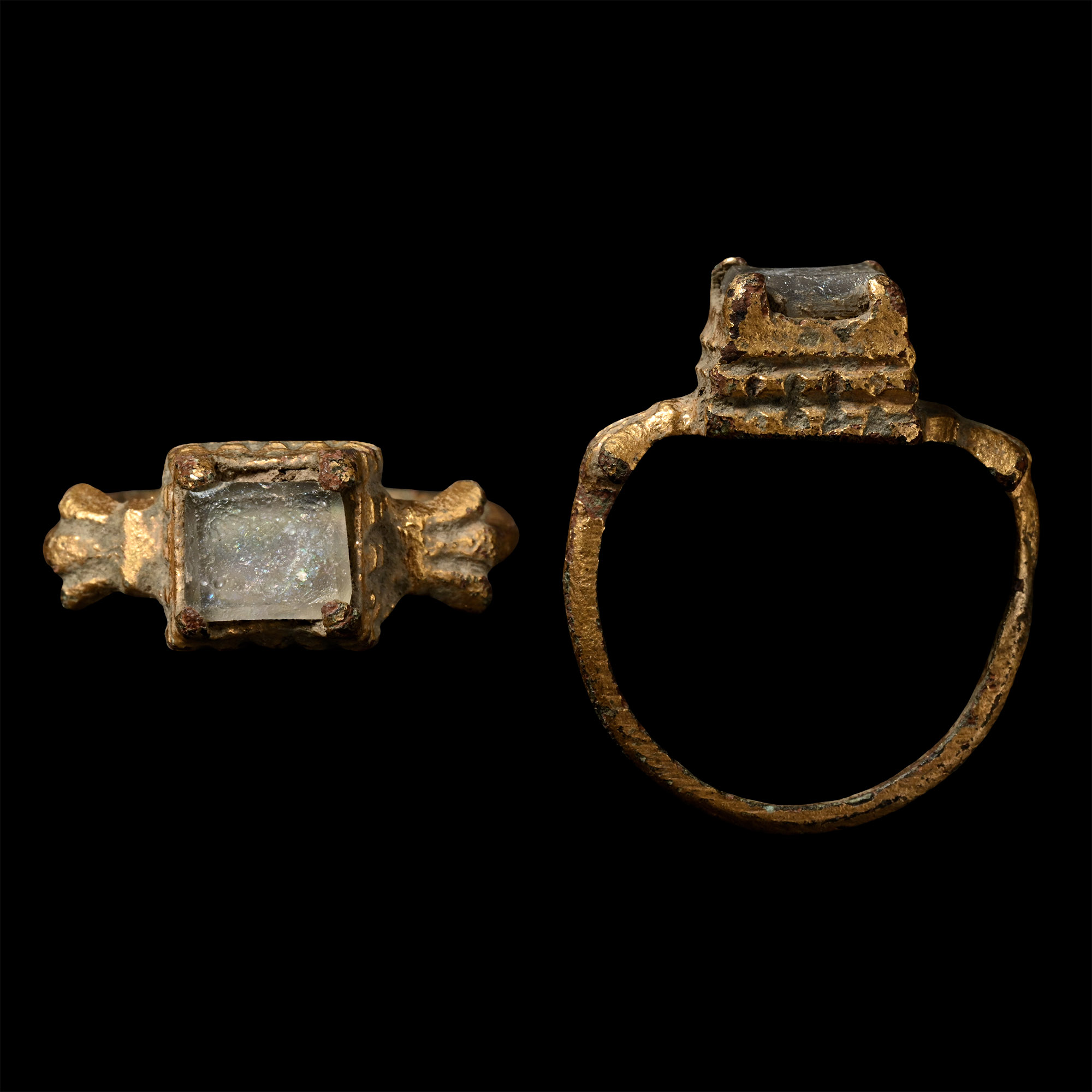
Medieval Silver Ring with Glass Gem
CIRCA 14TH-15TH CENTURY AD.
1 in. (4.43 grams, 26.11 mm overall, 18.75 x 16.64 mm internal diameter (approximate size British O 1/2, USA 7 1/4, Europe 15.61, Japan 15)).
D-shaped hoop and trefoil shoulders, square-section bezel with band of pellets, claw setting for an iridescent glass cloison.
ProvenanceEx Cambridgeshire gentleman's collection, 1990s.
LiteratureCf. Chadour, A.B., Rings. The Alice and Louis Koch Collection, volume I, Leeds, 1994, item 563, for type.
CONDITIONTimeLine Auctions follows a vetting process to ensure the authenticity and legality of all items, reinforcing our commitment to integrity and responsible trading. Each antiquity, antique, and coin lot undergoes thorough examination by a vetting committee of at least ten external specialists, professional trade association members, scientists, and archaeologists: Our Vetting Process
AUCTIONS:
TimeLine is a leading auction house specialising in antiquities, ancient art, collectables, natural history, coins, medals, and books. Our auctions offer museums, collectors, historians, and enthusiasts the opportunity to acquire unique and historically significant pieces.
-
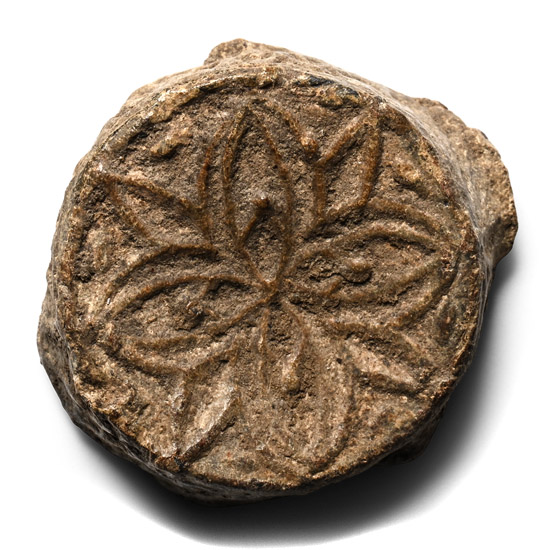
Medieval Lead Lid with Floral Cross
Circa 14th-16th century A.D.Sold for (Inc. bp): £13
Drum-shaped body with raised net decoration on the sides, the top with a complicated floral cross and pellets. 7.81 grams, 23 mm
Acquired on the European coin market. Property of a Kent, UK, gentleman. -
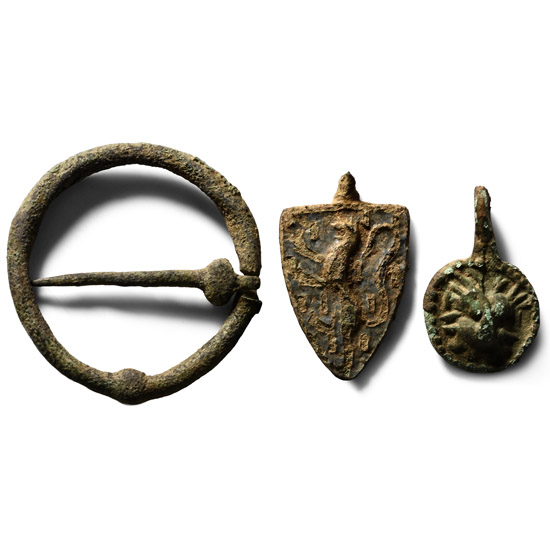
Medieval Bronze Artefact Group
13th-15th century A.D.Sold for (Inc. bp): £52
Comprising a ring brooch, shield-shaped harness pendant with rampant lion, and a discoid pendant. 12.9 grams total, 23-32 mm
Found Essex, UK. -
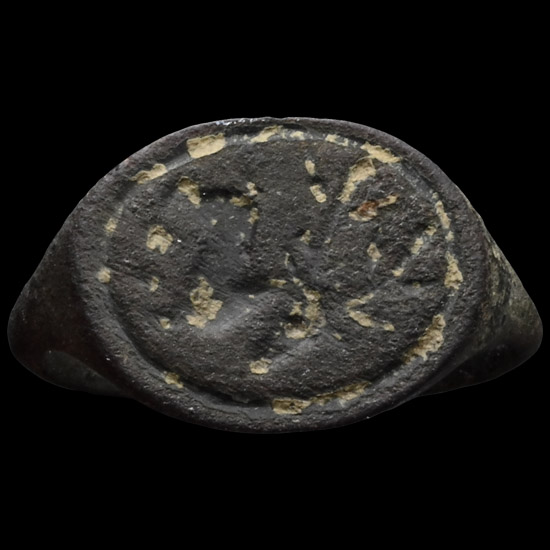
Medieval Bronze Ring with Stag
15th-16th century A.D.Sold for (Inc. bp): £39
Comprising a slender D-section hoop and an oval bezel with a reclining stag with large antlers. 2.92 grams, 20.42 mm overall, 17.15 x 17.32 mm internal diameter (approximate size British N 1/2, USA 6 3/4, Europe 14.35, Japan 13)
From a UK collection formed in the 1980s. Property of an Essex, UK, gentleman.
