
Loading, please wait...
LOT 1905
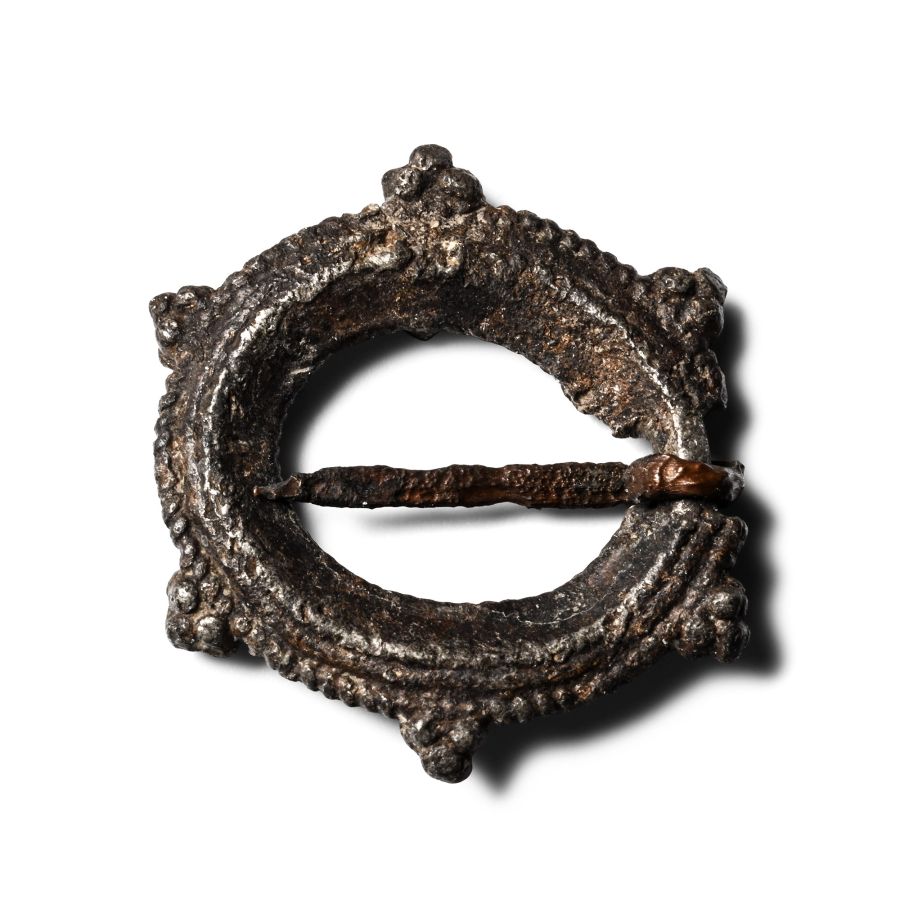
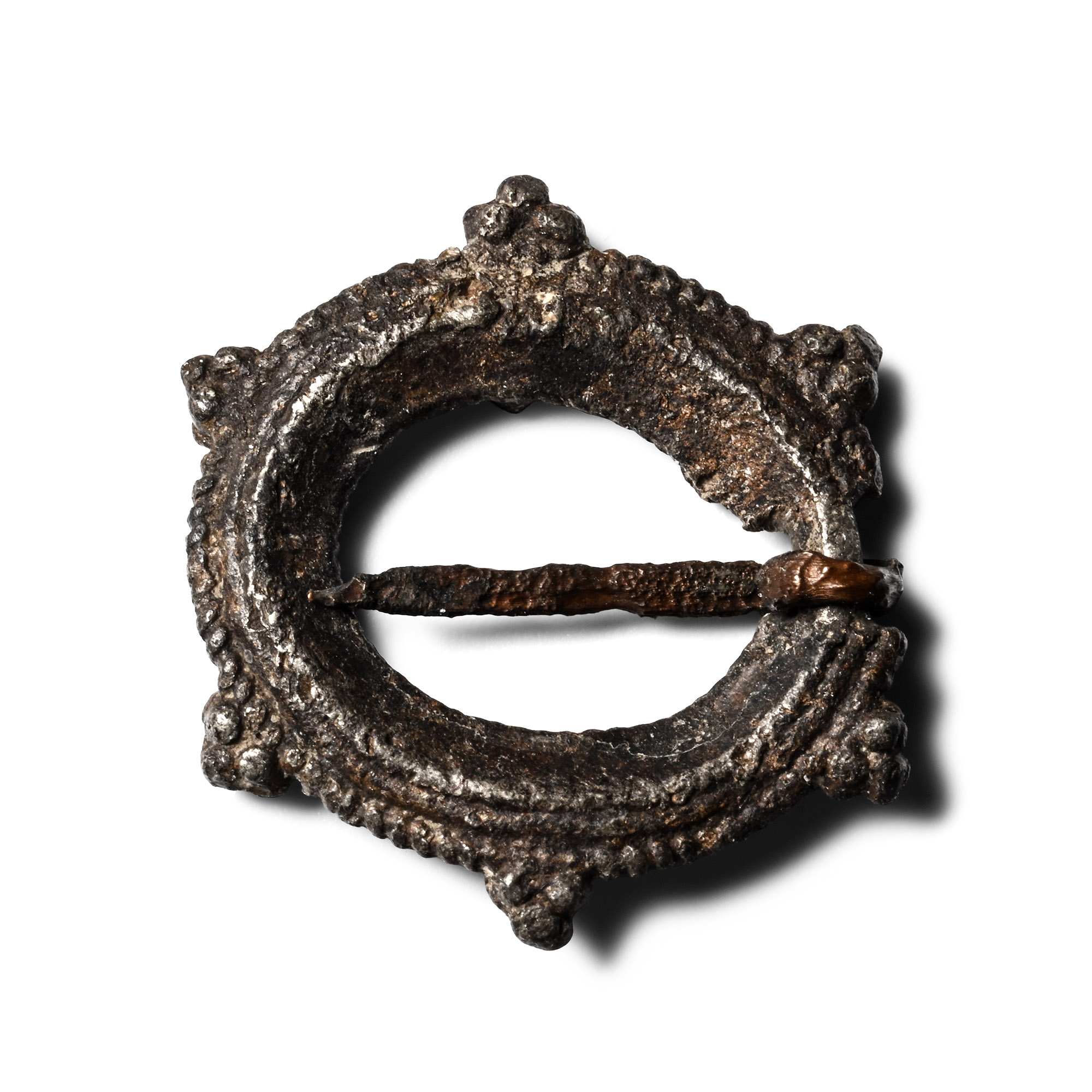
Medieval Pewter Ring Brooch
CIRCA 14TH CENTURY A.D.
3/4 in. (2.32 grams, 19 mm).
Annular brooch with fine ropework pattern and six projecting granulated pyramids on the outer edge, articulated pin. [No Reserve]
ProvenanceFrom the private collection of Graham Slater (1927-2024), Cambridge, UK; formed 1980s-1990s.
Accompanied by a previous dealer's sales ticket.
TimeLine Auctions follows a vetting process to ensure the authenticity and legality of all items, reinforcing our commitment to integrity and responsible trading. Each antiquity, antique, and coin lot undergoes thorough examination by a vetting committee of at least ten external specialists, professional trade association members, scientists, and archaeologists: Our Vetting Process
AUCTIONS:
TimeLine is a leading auction house specialising in antiquities, ancient art, collectables, natural history, coins, medals, and books. Our auctions offer museums, collectors, historians, and enthusiasts the opportunity to acquire unique and historically significant pieces.
-
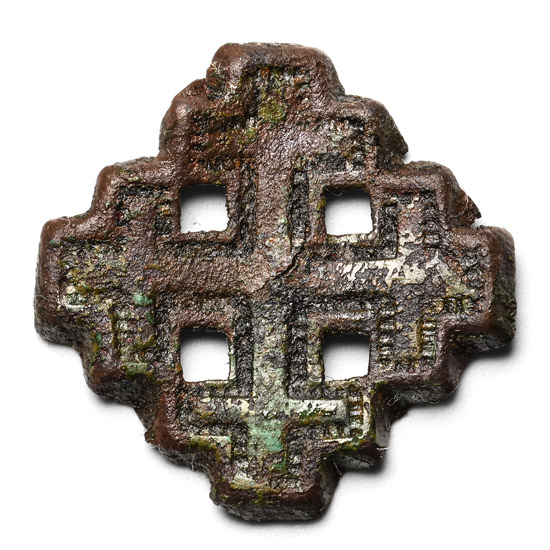
Medieval Bronze Knight's Holy Sepulchre Badge
Circa 13th-14th century A.D.Sold for (Inc. bp): £78
Formed as a cross-crosslet, the symbol of the Knights of the Holy Sepulchre, with a punched-point border. 0.72 grams, 20 mm
Found North Yorkshire, UK.
The 'Equestrian Order of the Holy Sepulchre of Jerusalem' was an order of knighthood under the protection of the Pope, formed around 1099 AD by Duke Godfrey of Bouillon, the leader of the First Crusade. It was established for the protection of pilgrims travelling to the Holy Land and was recognised by a Papal Bull in about 1113 AD. -
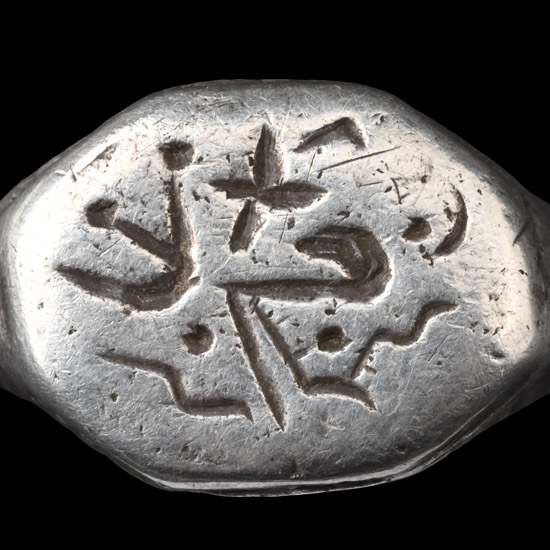
Medieval Silver Engraved Ring
15th-16th century A.D.Sold for (Inc. bp): £52
Comprising a D-section hoop with hatching on the shoulders, a raised oval bezel with a bird, a star, and other motifs. 9.55 grams, 24.29 mm overall, 18.83 mm internal diameter (approximate size British P 1/2, USA 7 3/4, Europe 16.86, Japan 16)
Ex German art market, 2000s. Acquired from an EU collector living in London. From the collection of a Surrey, UK, gentleman. -
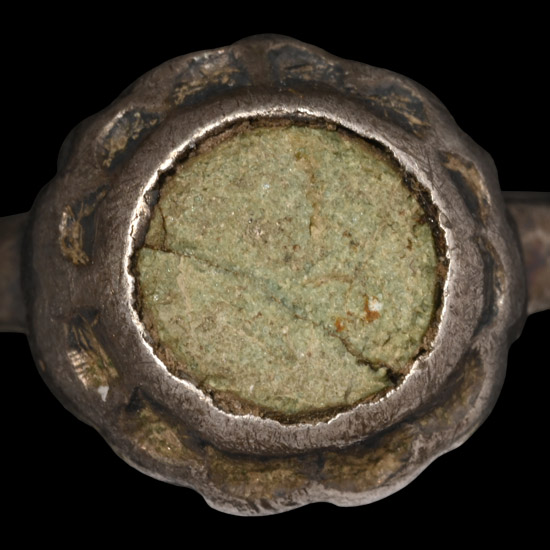
Medieval Silver Enamelled Ring
Circa 14th-15th century A.D.Sold for (Inc. bp): £85
Featuring a slender hoop and a circular bezel with a piecrust edge and a rosette underneath, a recess at the centre with light-green enamel. 4.01 grams, 23.16 mm overall, 16.68 mm internal diameter (approximate size British L 1/2, USA 6, Europe 11.87, Japan 11)
From the private collection of a European gentleman (1942-2024), formed since the 1970s.
