
Loading, please wait...
LOT 2169
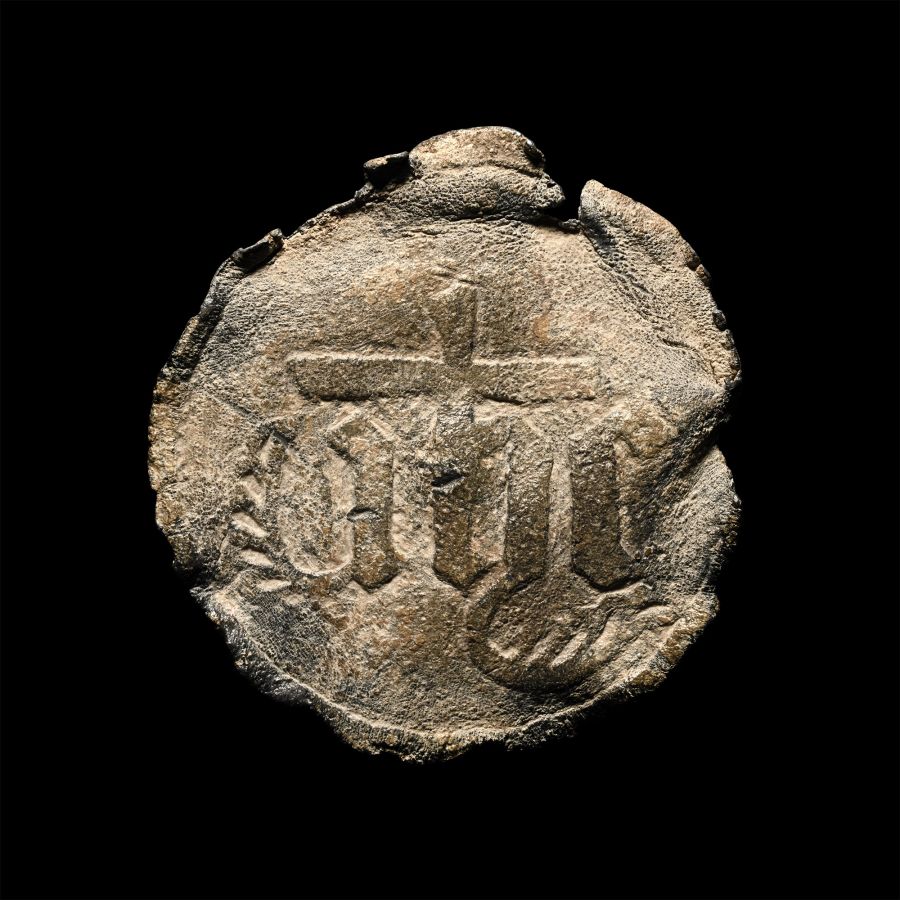
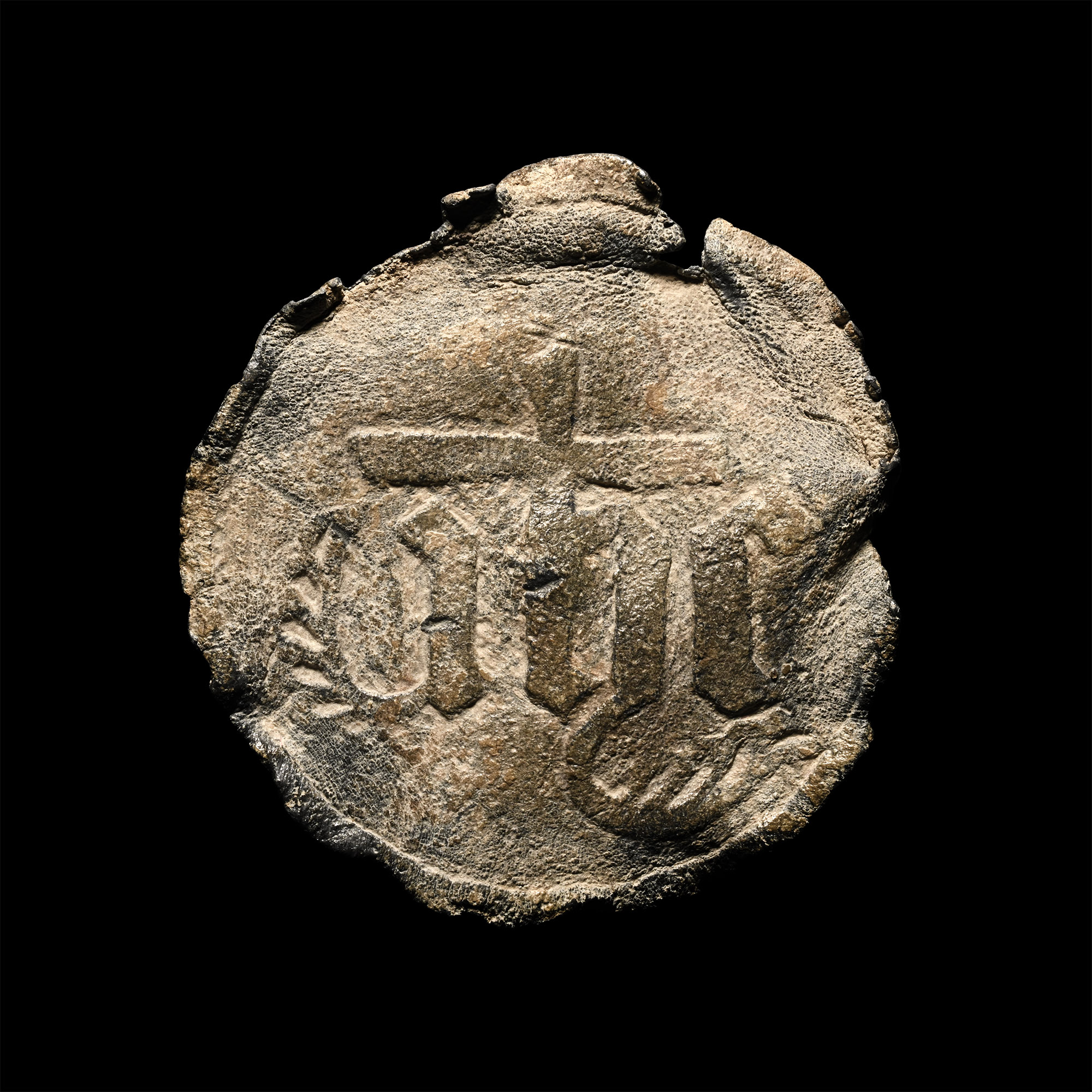
Medieval Pewter Pilgrim's Mount with Christogram
14TH-15TH CENTURY A.D.
1 7/8 in. (23.7 grams, 48 mm).
Discoid mount with central cross forming part of the 'IHC' monogram. [No Reserve]
ProvenanceFrom a retired Lincolnshire, UK, gentleman's collection, a long time member of the Pewter Society.
CONDITIONTimeLine Auctions follows a vetting process to ensure the authenticity and legality of all items, reinforcing our commitment to integrity and responsible trading. Each antiquity, antique, and coin lot undergoes thorough examination by a vetting committee of at least ten external specialists, professional trade association members, scientists, and archaeologists: Our Vetting Process
AUCTIONS:
TimeLine is a leading auction house specialising in antiquities, ancient art, collectables, natural history, coins, medals, and books. Our auctions offer museums, collectors, historians, and enthusiasts the opportunity to acquire unique and historically significant pieces.
-
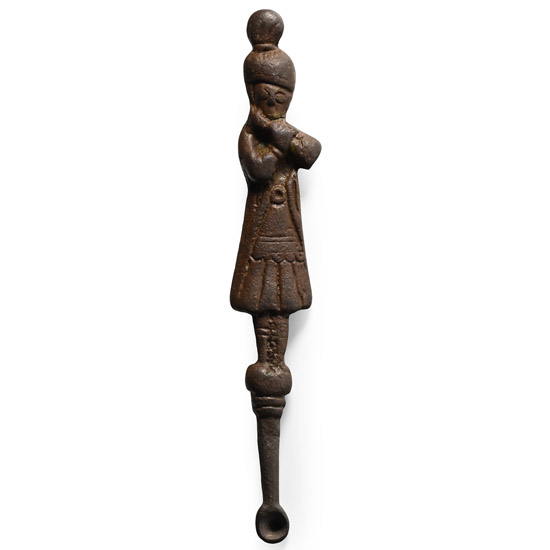
Medieval Bronze Ear Scoop Toilet Pendant with Musician
Circa 14th-15th century A.D.Sold for (Inc. bp): £124
comprising a small bowl and a tapering handle, the finial formed as a standing pipe player dressed in a knee-length dress, with a loop behind the head. 11.28 grams, 73.36 mm
From the private collection of a London gentleman, from his grandfather's collection formed before the early 1970s. -
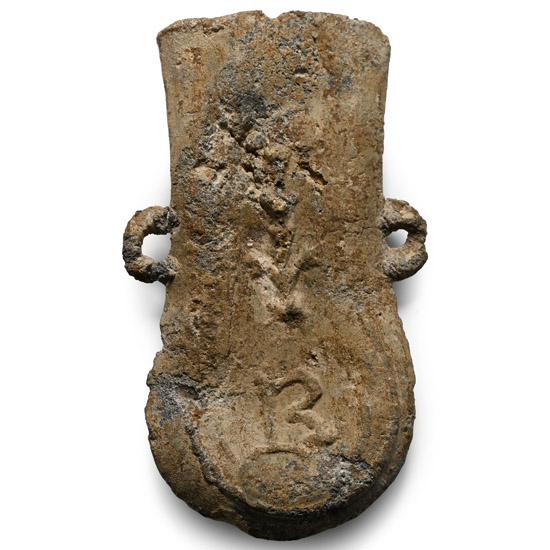
Medieval Lead Pilgrim's Holy Water Ampulla with Letter R
Circa 14th-15th century A.D.Sold for (Inc. bp): £104
Hollow-formed pouch-shaped vessel with lateral loops; obverse with capital 'R', reverse with scallop detailing. 28.80 grams, 52 mm
From a retired Lincolnshire, UK, gentleman's collection, a long time member of the Pewter Society. -
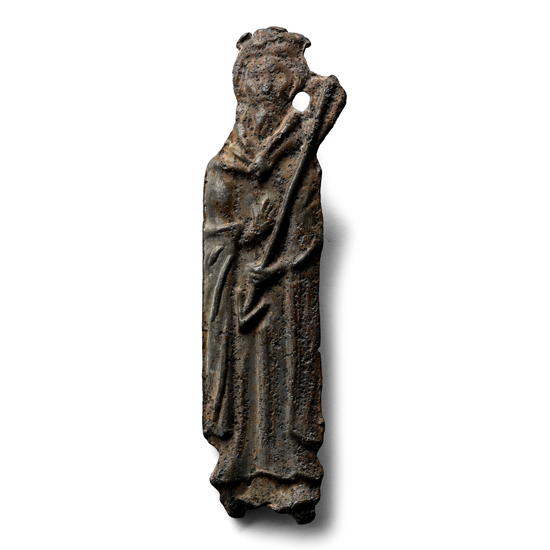
Medieval Pewter Pilgrim's Badge with Saint Edmund
14th-15th century A.D.Sold for (Inc. bp): £416
Modelled as a standing crowned and bearded figure in ankle-length robe holding a large arrow point-downwards; pin to reverse. 7.6 grams, 55 mm
From a retired Lincolnshire, UK, gentleman's collection, a long time member of the Pewter Society.
The legend of King (later Saint) Edmund was celebrated in medieval England. The king refused to submit to the Danes, who tied him to a tree and shot him with arrows thus providing him with holy martyrdom.
