
Loading, please wait...
LOT 0339
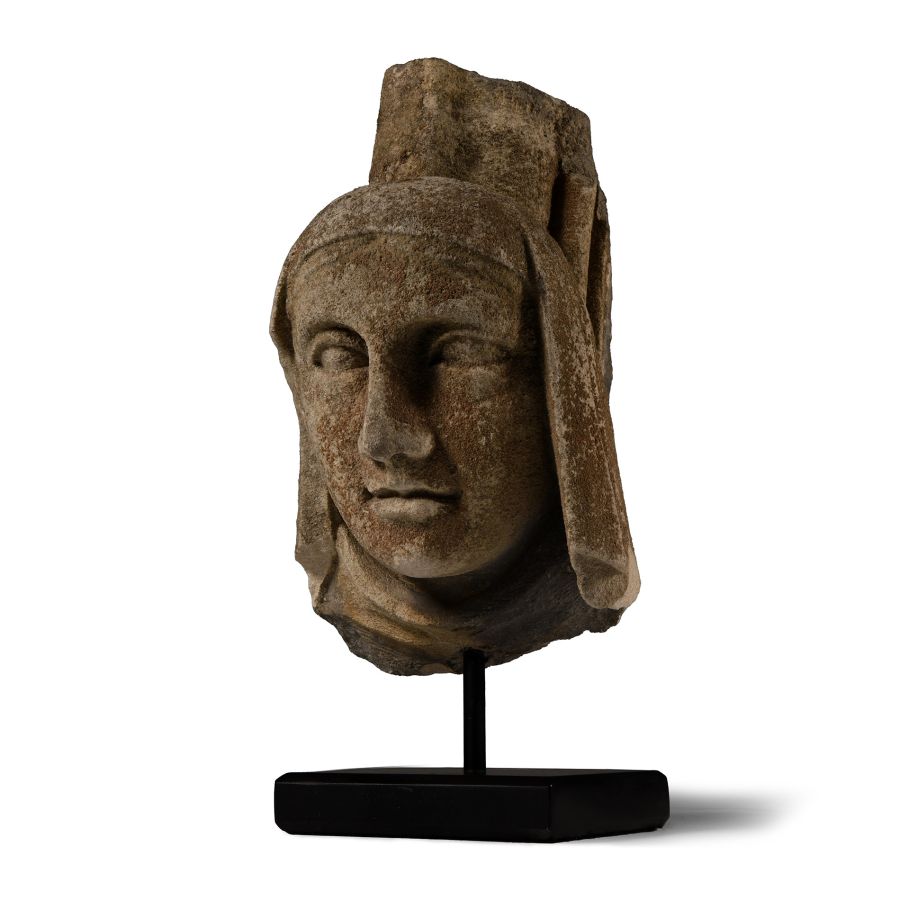
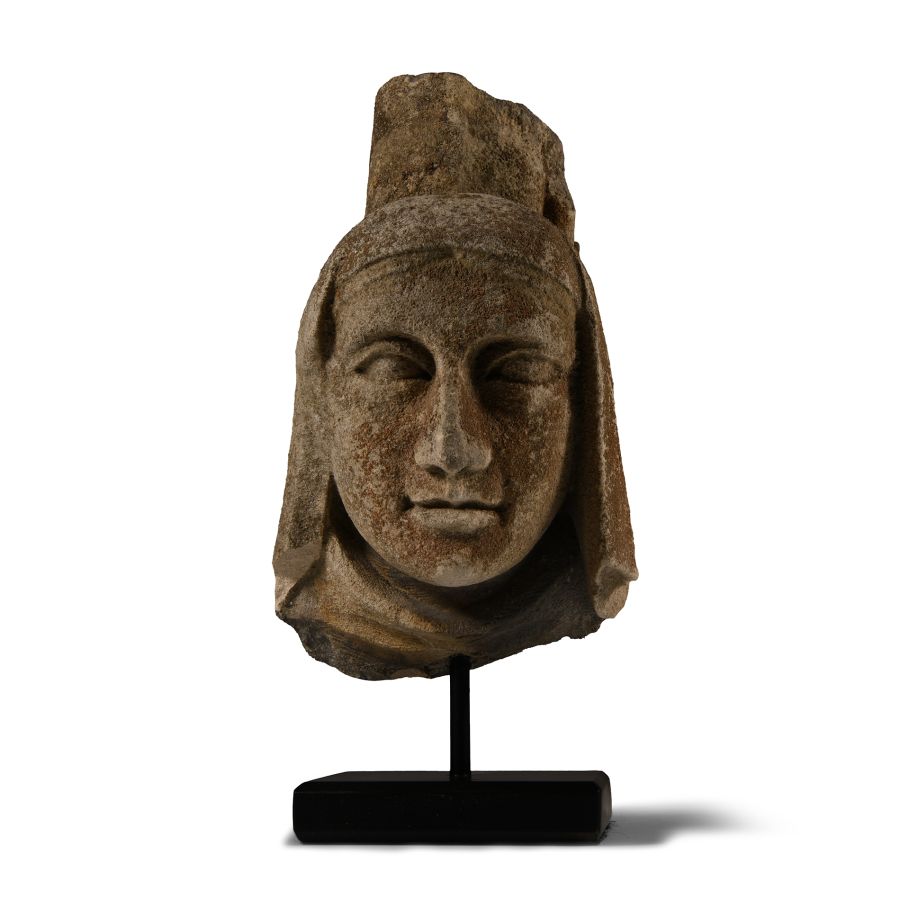
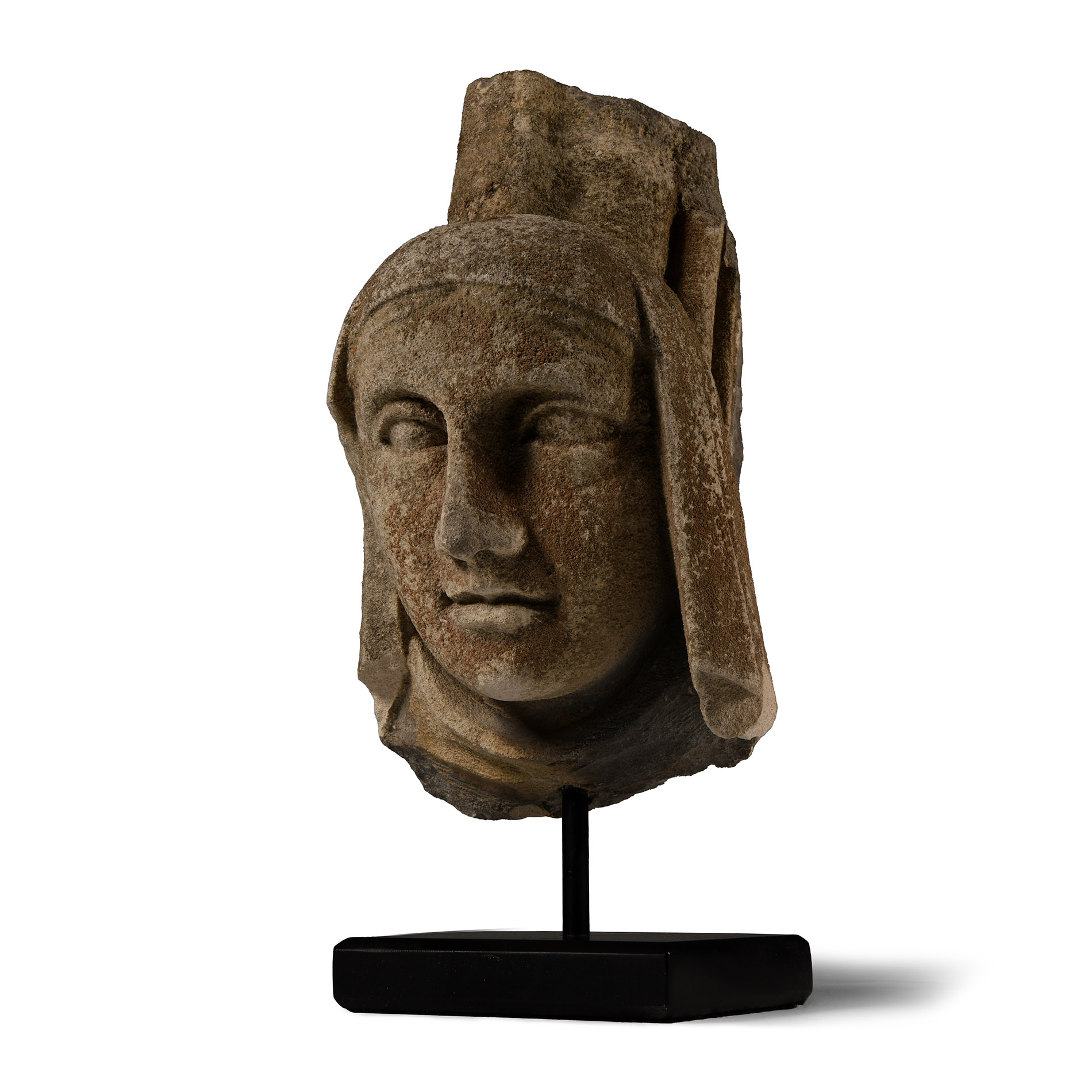
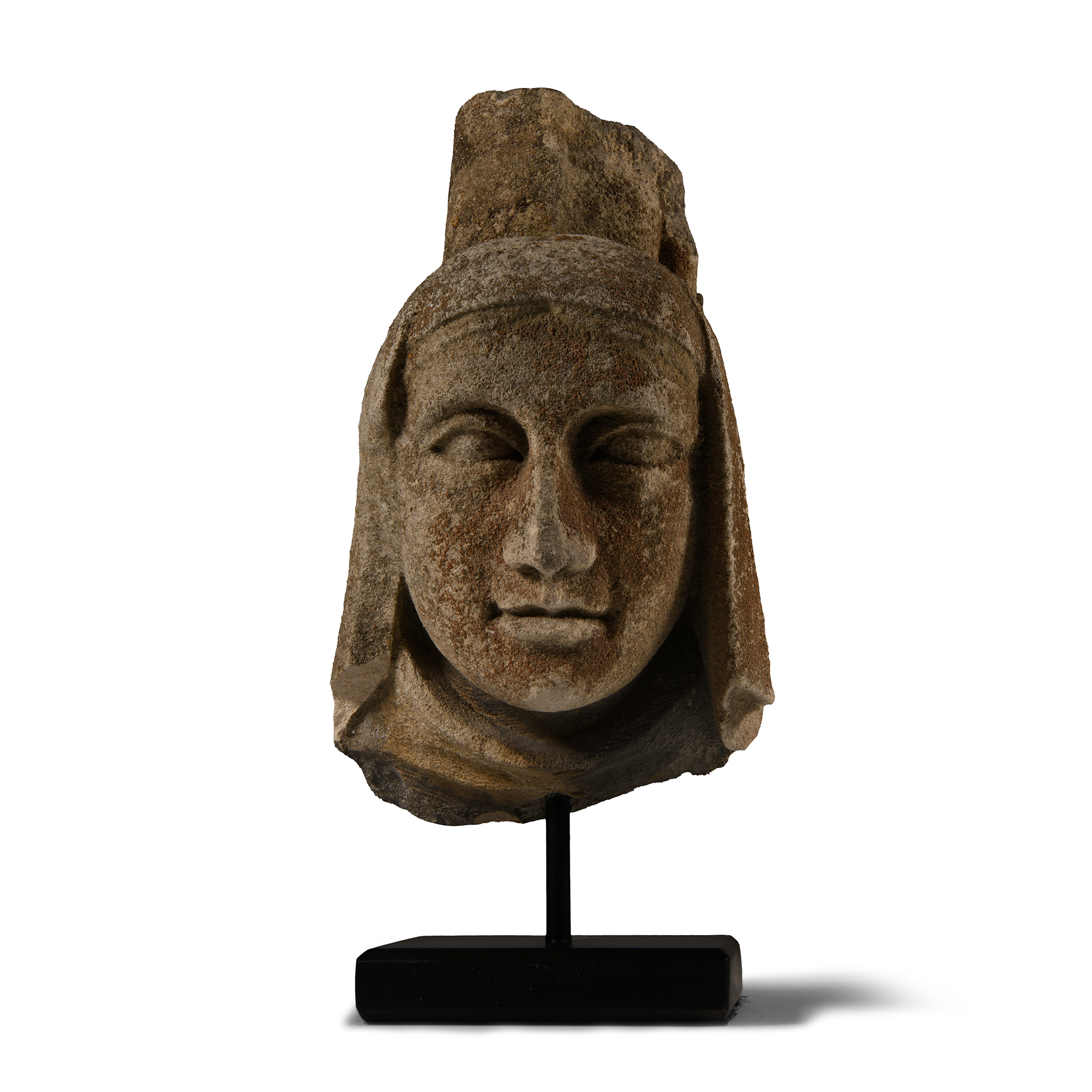
Medieval Limestone Corbel Head
CIRCA 14TH CENTURY A.D.
11 in. (3.8 kg, 28 cm including stand).
The figure carved wearing a hooded cowl, face face with furrowed brow, hooded eyes, sunken cheeks and down-turned mouth; remains of moulded springer to the top and rear of the head; chipped; mounted on a custom-made display stand.
ProvenanceEx Simmons Gallery, London E11, UK.
Ex London collection, 1980s-1990s.
TimeLine Auctions follows a vetting process to ensure the authenticity and legality of all items, reinforcing our commitment to integrity and responsible trading. Each antiquity, antique, and coin lot undergoes thorough examination by a vetting committee of at least ten external specialists, professional trade association members, scientists, and archaeologists: Our Vetting Process
AUCTIONS:
TimeLine is a leading auction house specialising in antiquities, ancient art, collectables, natural history, coins, medals, and books. Our auctions offer museums, collectors, historians, and enthusiasts the opportunity to acquire unique and historically significant pieces.
-
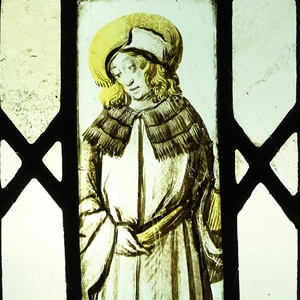
Medieval Stained Glass Panel with Nobleman
Flemish, early 16th century A.D.Sold for (Inc. bp): £975
Rectangular with lead cames in a regular frame with later suspension loops; painted central panel with standing nobleman in floor-length coat with tiered fur collar, chaperon hat, hand resting on the belt. 467 grams, 32 cm high
Ex The Monastery Stained Glass, Northamptonshire, UK, 2004. Ex central London gallery. -
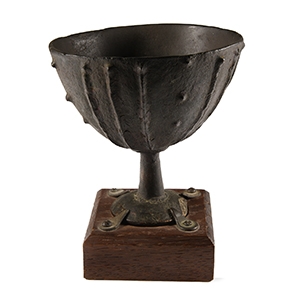
Late Medieval Bronze Chalice
Eastern Europe, 16th-17th century A.D.Sold for (Inc. bp): £1,560
Formed with a U-shaped bowl, tapering cylindrical stem and domed discoid foot, the body exterior displaying clusters of vertical ribs alternating with columns of pellets; mounted on a custom-made wooden display base. 750 grams, 12 cm high (890 grams total, 15 cm high including stand)
Acquired on the UK art market. Property of an East Sussex, UK, gentleman.
The chalice is the most important liturgical object used in Christian worship, and for centuries it has been given a central place on the altar. Its form directly references the vessel used by Christ during the Last Supper when, according to the Gospel of Matthew (26:27-28) he ‘took the cup, and gave thanks, and gave it to [his disciples], saying: Drink ye all of it for this is my blood of the new testament, which is shed for many for the remission of sins.’ Since the moment of transubstantiation is believed to occur while the chalice is filled with the Communion wine, such vessels have historically been created using the richest, most precious materials available to the church and its craftsmen. -
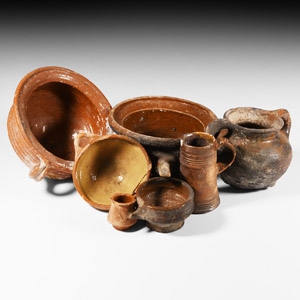
Medieval Ceramic Group
15th century A.D. and laterSold for (Inc. bp): £117
Composed primarily of glazed pots, bowls and tankard, including examples retaining their handles and complete examples. 4.35 kg total, 5.5-28.5 cm
Acquired 1990s-early 2000s. East Anglian private collection.
The majority of ceramics here presented are kitchen wares. Usually cooking pots are the most numerous forms in the majority of medieval contexts. They are mostly related to domestic functions, cooking pots being used to boil food or fry it. They come in different sizes and have globular bodies, everted rims and one or two handles.
