
Loading, please wait...
LOT 1688
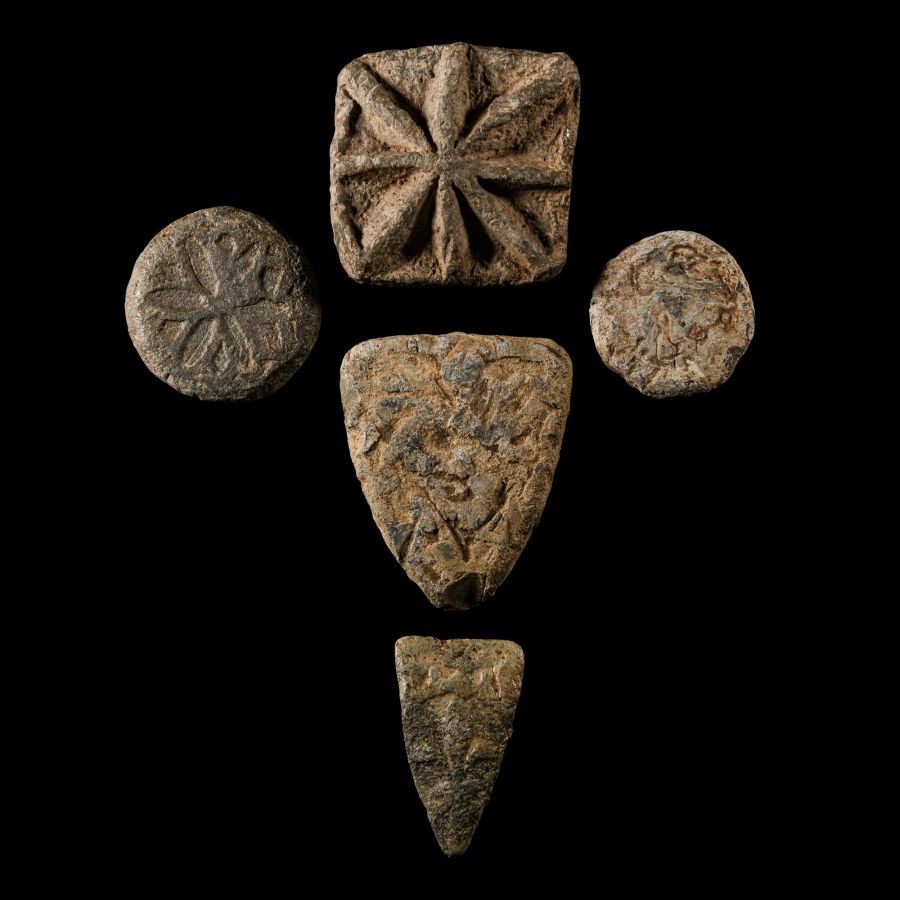
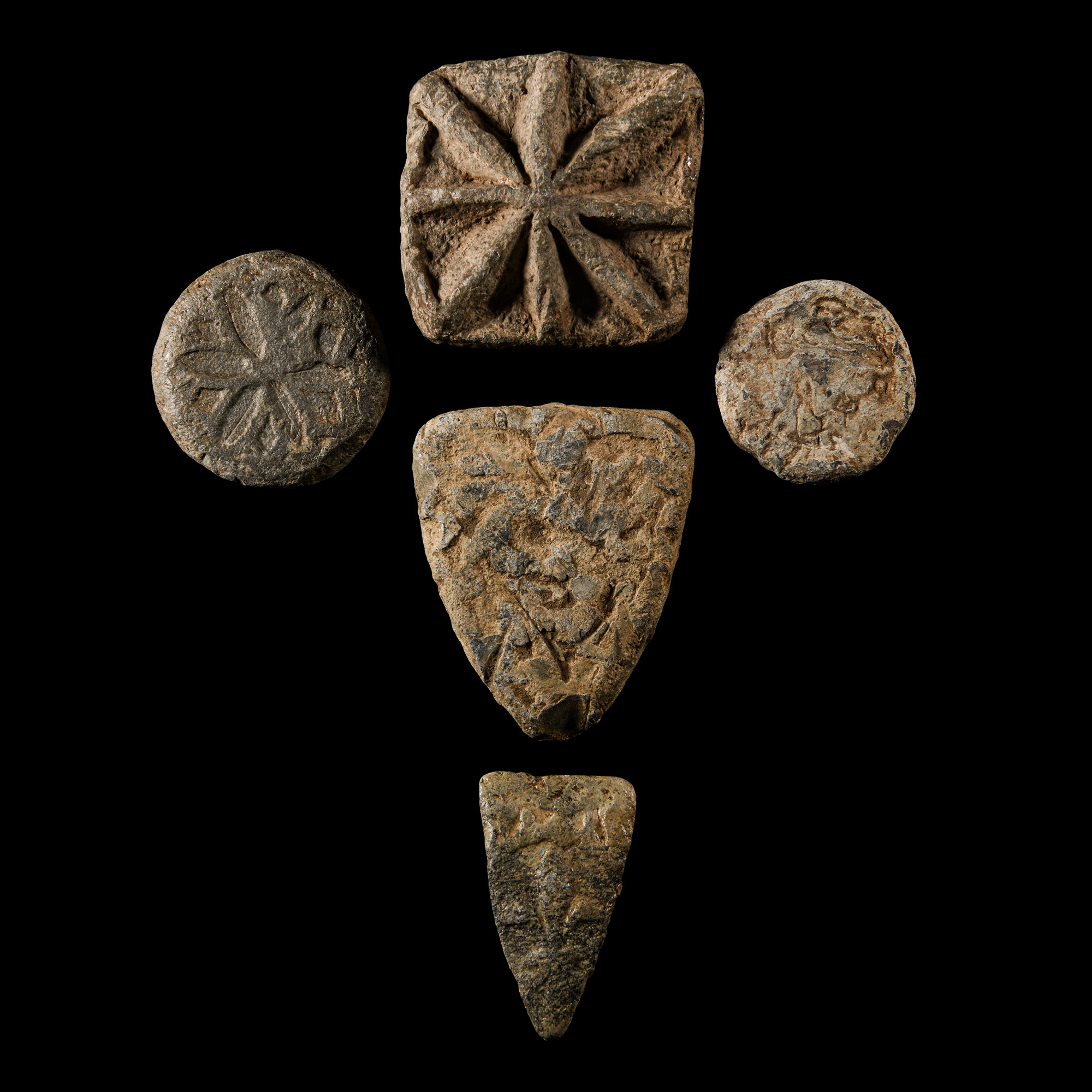
Medieval Lead Weight Collection
CIRCA 14TH-16TH CENTURY A.D.
1 3/8 - 21/4 in. (609 grams total, 35-58 mm).
Shield-shaped, discoid and rectangular in broad form, displaying floral, star and other enigmatic motifs. [5, No Reserve]
ProvenanceEx Simmons Gallery, London E11, UK, in the 1990s.
From a North London collection.
TimeLine Auctions follows a vetting process to ensure the authenticity and legality of all items, reinforcing our commitment to integrity and responsible trading. Each antiquity, antique, and coin lot undergoes thorough examination by a vetting committee of at least ten external specialists, professional trade association members, scientists, and archaeologists: Our Vetting Process
AUCTIONS:
TimeLine is a leading auction house specialising in antiquities, ancient art, collectables, natural history, coins, medals, and books. Our auctions offer museums, collectors, historians, and enthusiasts the opportunity to acquire unique and historically significant pieces.
-
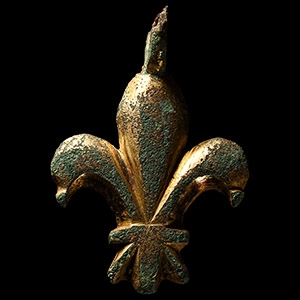
Medieval Bronze Knight's Fleur-De-Lis Heraldic Horse Harness Pendant
14th-15th century A.D.Sold for (Inc. bp): £124
Retaining the suspension loop and some gilding. 5.18 grams, 34 mm
Acquired on the UK market, 1990s. Property of a retired academic. -
.jpg)
Medieval Bronze Architectural Ring
Circa 15th-16th century A.D.Sold for (Inc. bp): £39
With D-section hoop and domed bezel with pellets. 9.63 grams, 24.50 mm overall, 16.04 mm internal diameter (approximate size British I 1/2, USA 4 1/2, Europe 7.44, Japan 7)
From the collection of a Northern Ireland gentleman. Ex private Merseyside, UK, collection. -
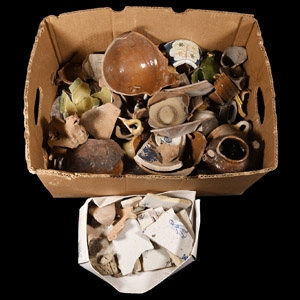
Medieval and Later Pottery Fragment Group
Circa 15th-18th century A.D.Sold for (Inc. bp): £26
Comprising glazed, unglazed, decorated and polychrome fragments mainly from tiles and vessels, together with a vessel fragment featuring a lion modelled in relief. 11 kg total, 4-22 cm
Acquired 1990s-early 2000s. East Anglian private collection.
