
Loading, please wait...
LOT 1915
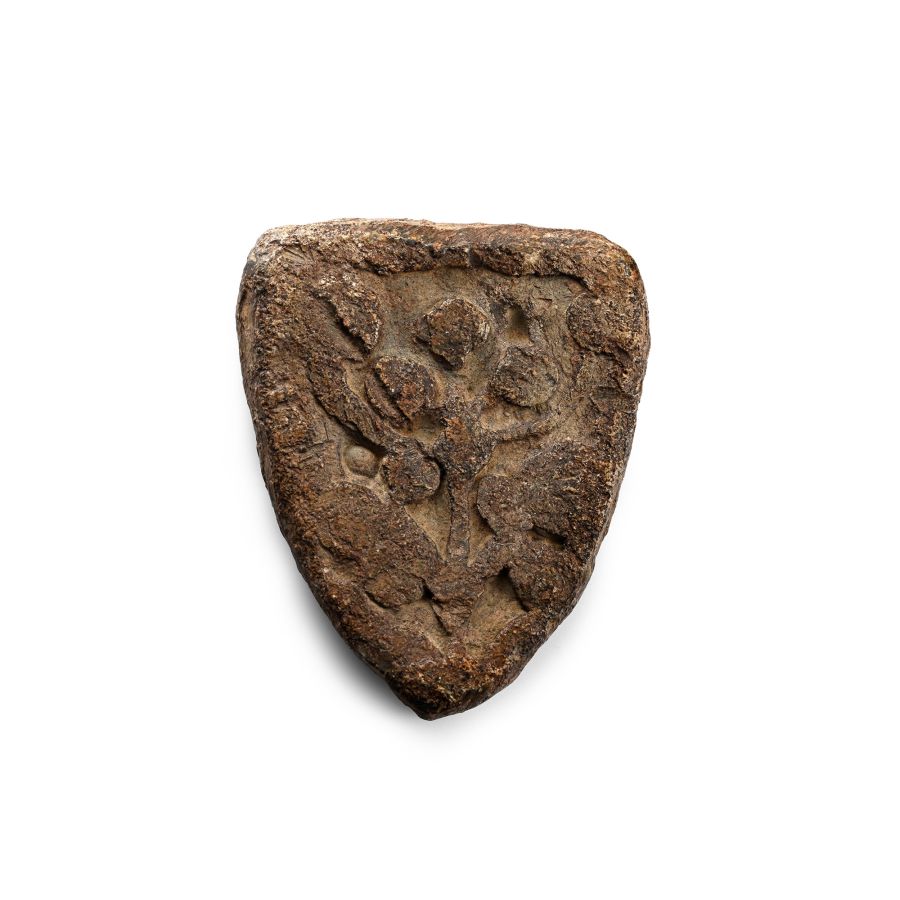
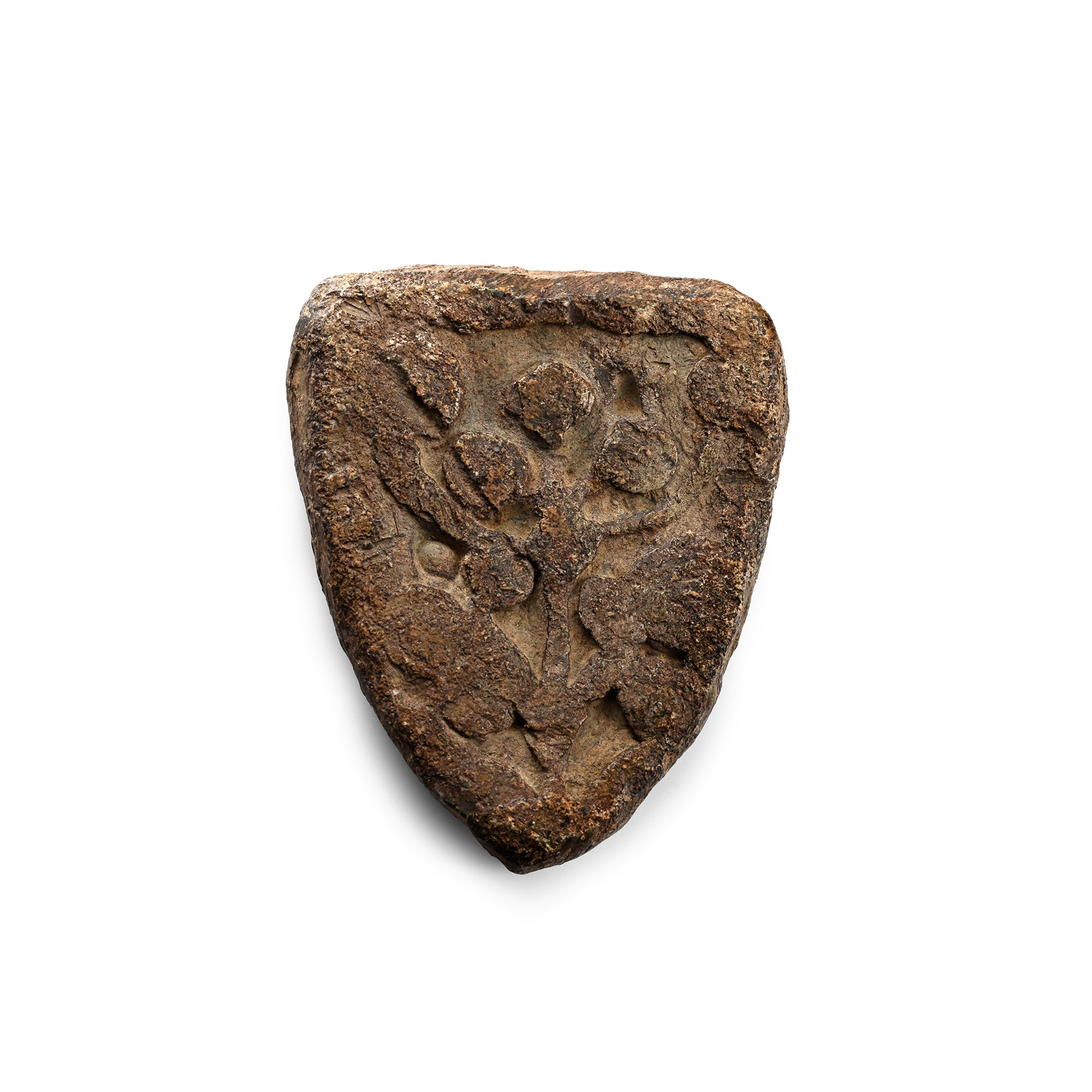
Medieval Lead Shield-Shaped Trade Weight
12TH-14TH CENTURY A.D.
2 in. (114 grams, 50 mm).
Heater-shaped with recessed central motif of a tree(?), pellets and foliage. [No Reserve]
ProvenanceEx Graham Slater (1924-2024) collection, Cambridge, UK; his collection assembled since the 1980s.
From a Cambridgeshire, UK, private collection.
This lot is accompanied by an illustrated lot declaration signed by the Head of the Antiquities Department, Dr Raffaele D'Amato.
TimeLine Auctions follows a vetting process to ensure the authenticity and legality of all items, reinforcing our commitment to integrity and responsible trading. Each antiquity, antique, and coin lot undergoes thorough examination by a vetting committee of at least ten external specialists, professional trade association members, scientists, and archaeologists: Our Vetting Process
AUCTIONS:
TimeLine is a leading auction house specialising in antiquities, ancient art, collectables, natural history, coins, medals, and books. Our auctions offer museums, collectors, historians, and enthusiasts the opportunity to acquire unique and historically significant pieces.
-
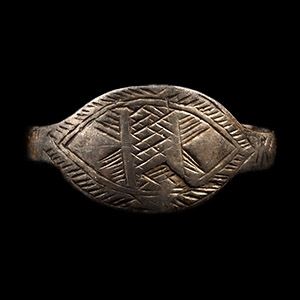
Norman Silver Ring with Engraved Bezel
11th-12th century A.D.Sold for (Inc. bp): £130
Comprising a flat-section hoop with overlapping finials, lentoid bezel with geometric decoration within hatched border. 2.31 grams, 23.04 mm overall, 20.70 mm internal diameter (approximate size British U, USA 10, Europe 22.52, Japan 21)
Acquired on the UK art market in the 1970s-1990s. Property of a Nottinghamshire, UK, gentleman. This lot is accompanied by an illustrated lot declaration signed by the Head of the Antiquities Department, Dr Raffaele D'Amato. -
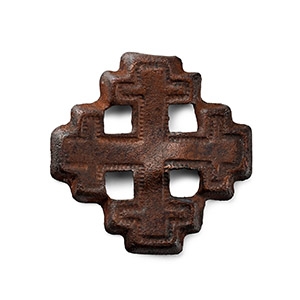
Large Medieval Bronze Knight's Holy Sepulchre Badge
Circa 13th-14th century A.D.Sold for (Inc. bp): £65
Formed as a cross-crosslet, the symbol of the Knights of the Holy Sepulchre, with chamfered border. 1.68 grams, 25 mm
Found near Feltwell, Norfolk, UK. From the private collection of Kenneth Machin (1936-2020), Buckinghamshire, UK; his collection of antiquities and natural history was formed since 1948; thence by descent. This lot is accompanied by an illustrated lot declaration signed by the Head of the Antiquities Department, Dr Raffaele D'Amato. -
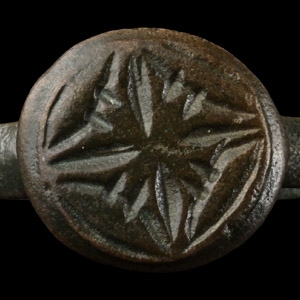
Medieval Bronze Ring with Star Motif
14th-16th century A.D.Sold for (Inc. bp): £65
With circular hoop, flat discoid bezel with four pointed star motif. 3.88 grams, 22.67 mm overall, 19.22 mm internal diameter (approximate size British Q, USA 8, Europe 17.49, Japan 16)
Acquired on the UK art market before 2000. Property of an Essex, UK, gentleman. This lot is accompanied by an illustrated lot declaration signed by the Head of the Antiquities Department, Dr Raffaele D'Amato.
