
Loading, please wait...
LOT 2183
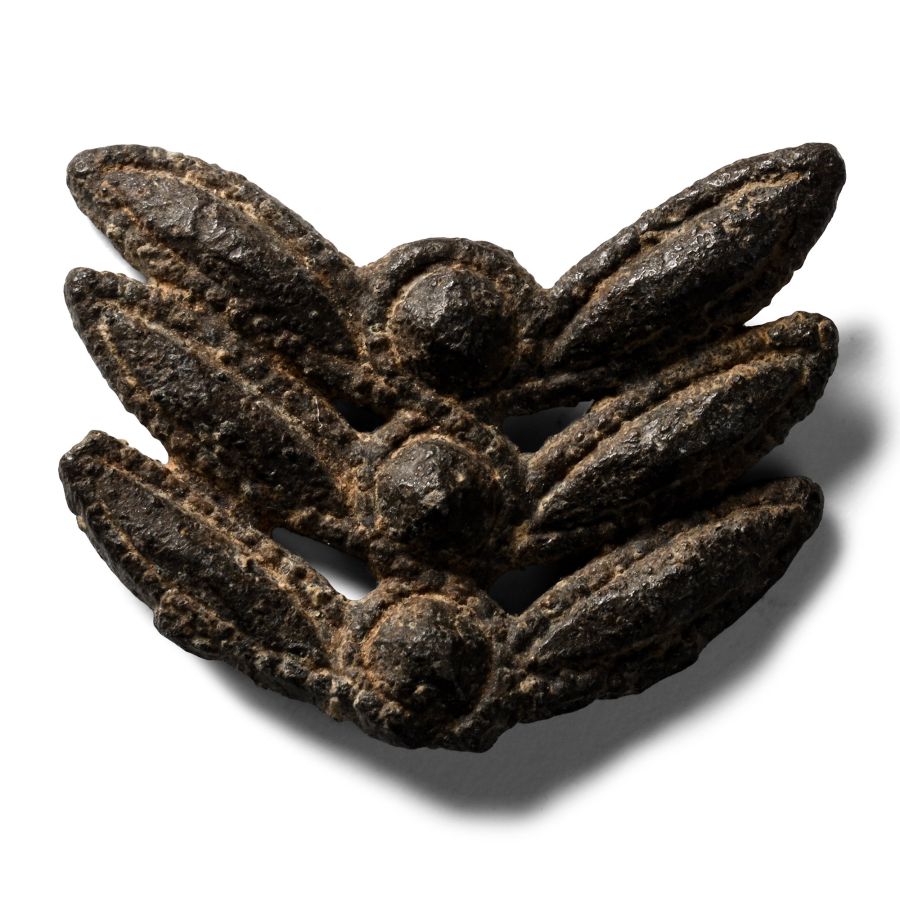
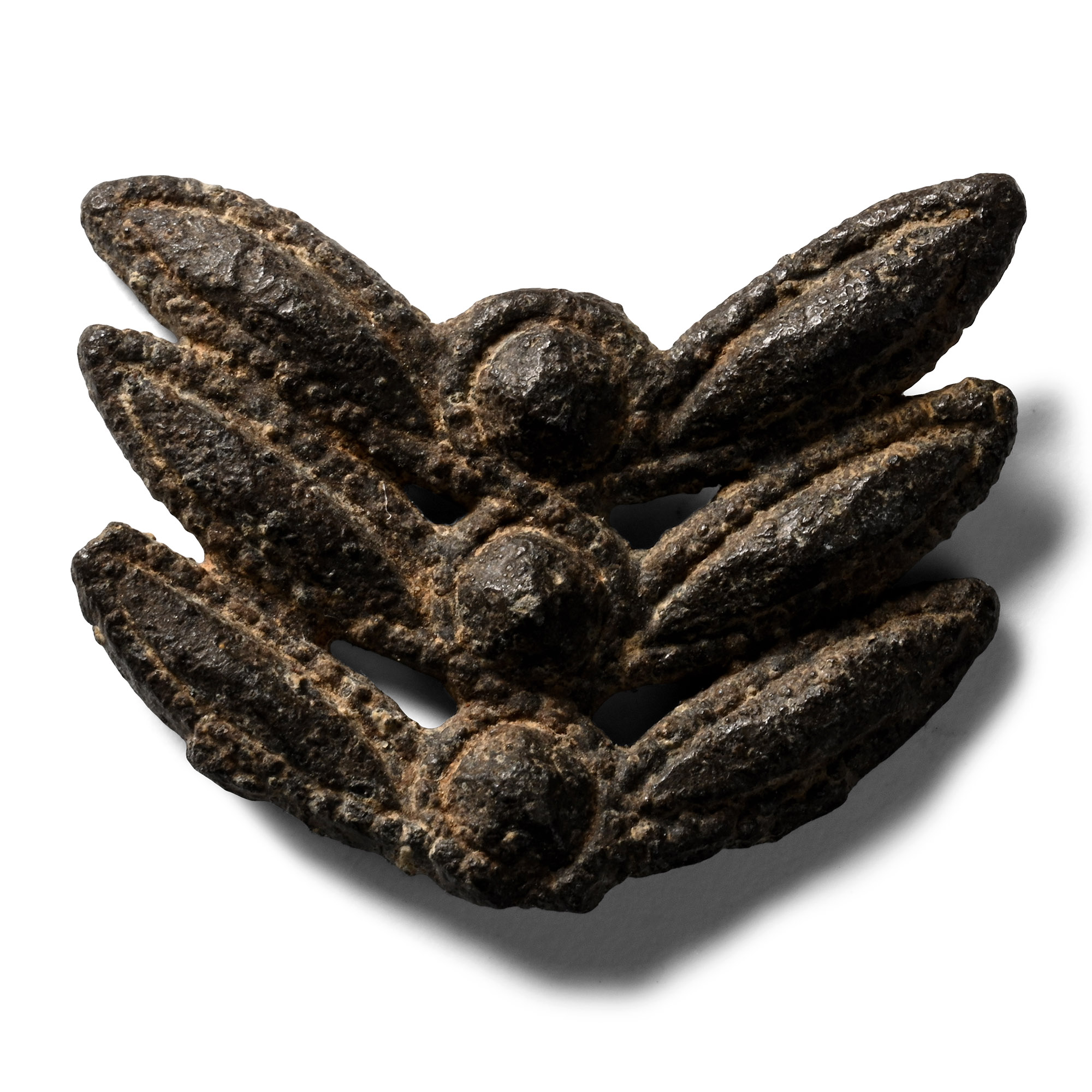
Medieval Lead Pilgrim's Badge with Plant
CIRCA 14TH-15TH CENTURY A.D.
7/8 in. (2.14 grams, 21 mm).
Formed as a group of three sycamore keys, modelled in the round. [No Reserve]
ProvenanceFrom a retired Lincolnshire, UK, gentleman's collection, a long time member of the Pewter Society.
CONDITIONTimeLine Auctions follows a vetting process to ensure the authenticity and legality of all items, reinforcing our commitment to integrity and responsible trading. Each antiquity, antique, and coin lot undergoes thorough examination by a vetting committee of at least ten external specialists, professional trade association members, scientists, and archaeologists: Our Vetting Process
AUCTIONS:
TimeLine is a leading auction house specialising in antiquities, ancient art, collectables, natural history, coins, medals, and books. Our auctions offer museums, collectors, historians, and enthusiasts the opportunity to acquire unique and historically significant pieces.
-
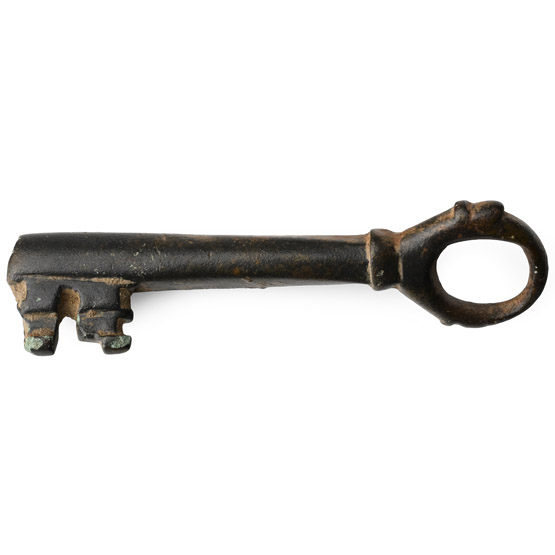
Large Medieval Bronze Door Key
14th-15th century A.D.Sold for (Inc. bp): £117
Barrel-type with lateral spurs to the bow, bit with stepped ward. 26.6 grams, 77 mm
Found Lincolnshire, UK. -
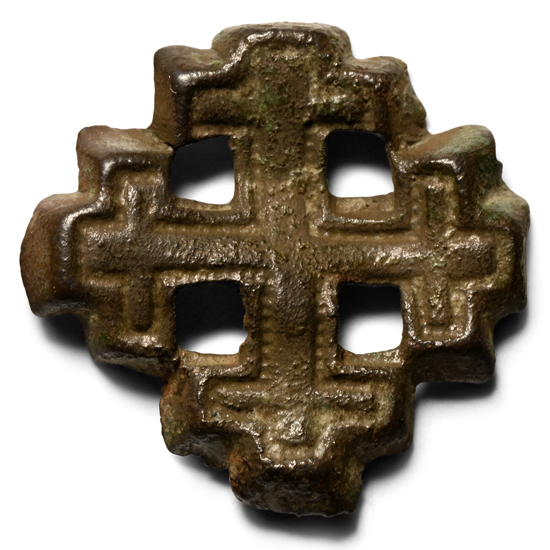
Medieval Bronze Knight's Holy Sepulchre Badge
Circa 13th-14th century A.D.Sold for (Inc. bp): £104
Formed as a cross-crosslet, the symbol of the Knights of the Holy Sepulchre, with a punched-point border. 0.87 grams, 19 mm
From a retired Lincolnshire, UK, gentleman's collection, a long time member of the Pewter Society.
The 'Equestrian Order of the Holy Sepulchre of Jerusalem' was an order of knighthood under the protection of the Pope, formed around 1099 AD by Duke Godfrey of Bouillon, the leader of the First Crusade. It was established for the protection of pilgrims travelling to the Holy Land and was recognised by a Papal Bull in about 1113 AD. -
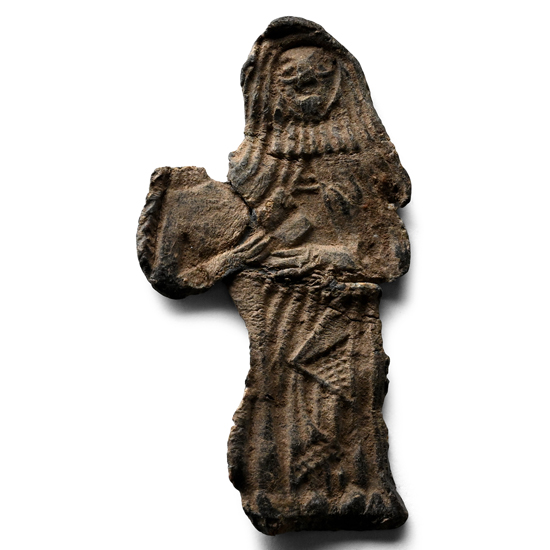
Medieval Pewter Pilgrim's Badge with Mary and Child
14th-15th century A.D.Sold for (Inc. bp): £33
Low-relief casting with a standing figure of Mary, with the upper body inclined away from the infant supported on her left hip. 4.01 grams, 37 mm
From a retired Lincolnshire, UK, gentleman's collection, a long time member of the Pewter Society.
